
Saving Nigeria’s railway from collapse
The rising cases of vandalism, insecurity, and poor maintenance in Nigeria’s railway sector have become a national embarrassment and a huge economic setback. Despite billions of naira invested to modernise the railway system, insecurity and neglect continue to threaten its sustainability. The recent incidents of vandalism along key routes such as Lagos–Ibadan, Warri–Itakpe, and Abuja–Kaduna […]
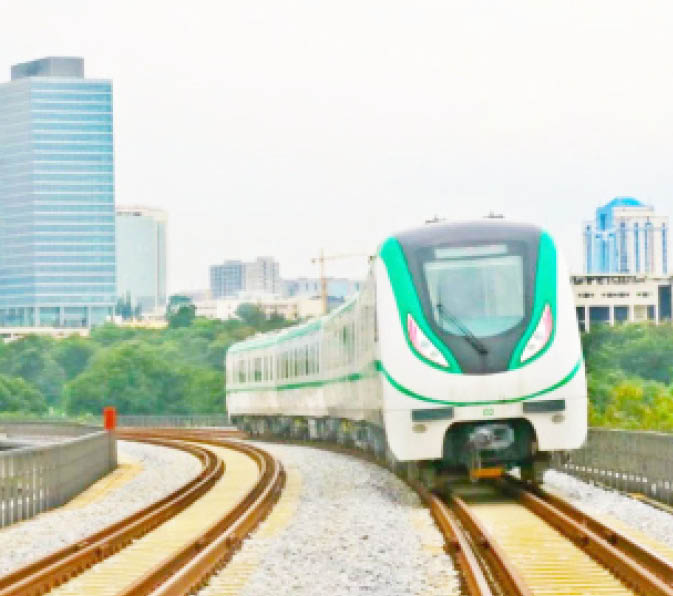
fg to spend n44bn on abuja kaduna, lagos ibadan railway, others
The rising cases of vandalism, insecurity, and poor maintenance in Nigeria’s railway sector have become a national embarrassment and a huge economic setback. Despite billions of naira invested to modernise the railway system, insecurity and neglect continue to threaten its sustainability.
The recent incidents of vandalism along key routes such as Lagos–Ibadan, Warri–Itakpe, and Abuja–Kaduna clearly show that Nigeria’s rail infrastructure is not adequately protected. From stolen signalling equipment and broken point machines to derailed trains, the system is suffering from both human negligence and weak security enforcement. According to the National Bureau of Statistics, more than 188 rail-related incidents have been recorded between 2020 and 2025, many linked to vandalism by scavengers.
These breaches not only endanger passengers but also discourage private and foreign investors who require assurance of safety and asset protection. A good example is the August derailment on the Abuja–Kaduna line, where 21 passengers sustained injuries due to neglected equipment and unserviceable switches. This shows deep structural failure within the Nigerian Railway Corporation (NRC) and other agencies responsible for monitoring operations.
To build a secure and reliable railway system, Nigeria must adopt a multi-layered security approach. Installing surveillance cameras along tracks and stations, deploying drones and armed security personnel, and adopting modern line sensors that detect tampering in real time are now urgent. The Railway Police should also clear drug abusers and loiterers from rail corridors, while local authorities must stop street trading on tracks.
Nigeria can learn from countries like the United Kingdom, where the Office of Rail and Road works closely with the British Transport Police and other agencies to ensure both operational efficiency and public safety. Strict enforcement of laws, harsh penalties for vandals, and improved maintenance culture will help restore public confidence in train travel.
Our railway system is vital to economic development and national unity. Therefore, protecting it from sabotage and neglect should not be an afterthought—it must be a top national priority. Only through decisive action can Nigeria build a modern rail network that is safe, efficient, and worthy of the country’s future aspirations.
Esther John Tumba wrote from the Department of Mass Communication University of Maiduguri