
Shaibu seeks ban on political, religious activities at National Stadiums
The Director General and Chief Executive Officer of the National Institute for Sports, Philip Shaibu, has called for a nationwide ban on political and religious activities at the Moshood Abiola National Stadium and other national stadiums across the country. Shaibu warned that the frequent use of sports facilities for non-sporting events has contributed significantly to […]
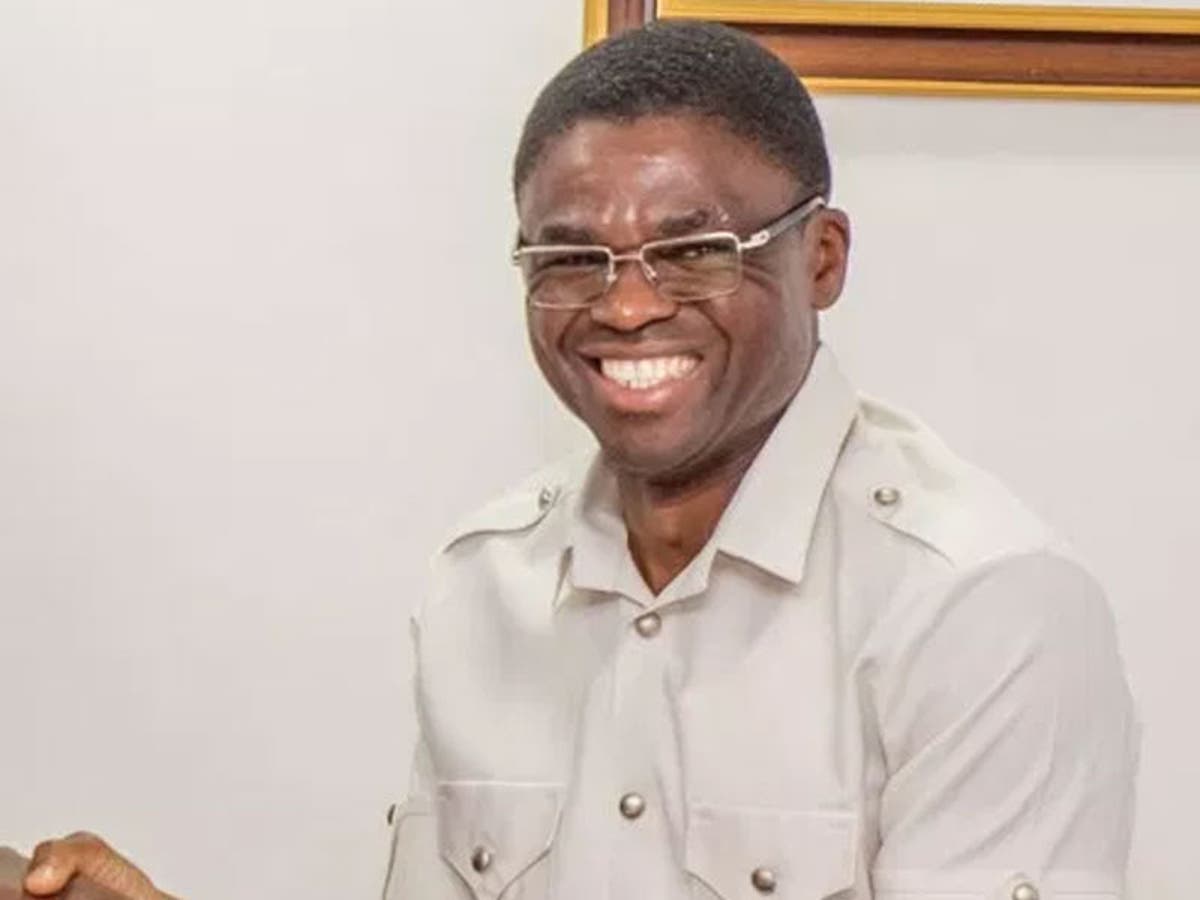
The Deputy Governor of Edo State, Philiph Shaibu
The Director General and Chief Executive Officer of the National Institute for Sports, Philip Shaibu, has called for a nationwide ban on political and religious activities at the Moshood Abiola National Stadium and other national stadiums across the country.
Shaibu warned that the frequent use of sports facilities for non-sporting events has contributed significantly to the deterioration of stadium infrastructure nationwide.
According to him, the facilities were primarily built for the training, retraining and development of Nigerian athletes and should be preserved strictly for sporting purposes.
He lamented that the practice has left Nigeria with very few stadiums capable of hosting international competitions, noting that the Godswill Akpabio International Stadium is currently the only stadium in the country that fully meets the requirements of FIFA for international matches.
Drawing from his experience as Deputy Governor of Edo State, where he oversaw sports development and the Samuel Ogbemudia Stadium, Shaibu said deliberate efforts were made during his tenure to maintain and protect the facility.
He explained that particular attention was given to preserving the stadium’s athletics track, which was still under warranty with the contractor at the time.
However, Shaibu said the situation later changed following disagreements with former Edo State Governor Godwin Obaseki, which eventually led to the approval of the stadium for a homecoming concert by Nigerian singer Rema.
According to him, the event allowed heavy equipment and vehicles onto the pitch and athletics tracks, damaging the facility and breaching the contractor’s warranty agreement.
“Today, the Samuel Ogbemudia Stadium can no longer host international matches unless major remediation works are carried out,” he said.
Shaibu therefore urged the National Sports Commission and the Nigeria Football Federation to collaborate with the National Institute for Sports in efforts to protect and restore sports infrastructure across the country.
He also renewed his call for the immediate reconstitution of the board of the National Sports Commission in order to strengthen the management, maintenance and preservation of sports facilities nationwide.
The NIS boss stressed that safeguarding sports infrastructure is critical to the future of Nigerian youths, noting that sports remain a powerful platform for youth empowerment and national unity.
He added that the vision of Bola Ahmed Tinubu for youth development and sports growth in Nigeria can only be achieved if the country begins to treat its sports facilities as strategic national assets.
According to Shaibu, protecting stadiums and investing in sports development will help discover and nurture young talents while restoring Nigeria’s reputation in international sporting competitions.