
Shari’a Court in Plateau State: Setting the record straight
I write as a concerned indigene of Plateau State, whose roots, family history, and service are deeply intertwined with this land. I am also the daughter of the late Grand Khadi of the Plateau State Sharia Court of Appeal, a man who served this state with integrity, restraint, and unwavering commitment to justice for decades. It […]
I write as a concerned indigene of Plateau State, whose roots, family history, and service are deeply intertwined with this land. I am also the daughter of the late Grand Khadi of the Plateau State Sharia Court of Appeal, a man who served this state with integrity, restraint, and unwavering commitment to justice for decades.
It is, therefore painful, but necessary, to respond to the recent commentary by Mr. Dazen Dakup, which goes beyond criticism and ventures into the realm of belittling Plateau Muslims and misrepresenting a constitutional institution that has long existed in this state.
Muslims in Plateau State are not strangers, infiltrators, or beneficiaries of hidden agendas. We are indigenes, born and raised on this land, who have contributed to its civil service, judiciary, commerce, education, and peaceful coexistence for generations. To repeatedly frame Plateau Muslims as a threat or as people lacking legitimacy is to deny our identity and erase our history.
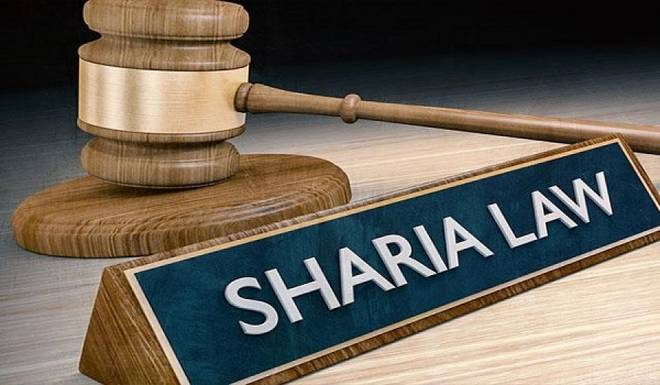
The Sharia Court of Appeal in Plateau State is not a recent invention, nor is it a political or religious imposition. It has existed peacefully for decades, long before today’s political debates. As someone who grew up watching the court function quietly and professionally, I can state without hesitation that it neither governed non-Muslims nor interfered with the rights of others. Its jurisdiction was limited, voluntary, and strictly confined to Islamic personal law, in line with the Constitution.
To link this court to violence, extremism, or a so-called “jihadist agenda” is not only false, but deeply irresponsible.
Plateau’s crises are complex and painful, rooted in political, social, and identity struggles—not in a judicial institution that resolved family and personal matters without fanfare or force. Weaponising religion in this way only reopens old wounds and undermines the fragile trust built over years.
Criticism of government is legitimate in a democracy. However, questioning the constitutionality of an institution clearly recognised by law, simply because it serves Muslims, sends a dangerous message: that some citizens’ rights are acceptable only when they do not offend others.
Plateau State belongs to all of us—Christians, Muslims, and adherents of other faiths. Our diversity has always been our strength. As a Plateau indigene and a child of this state’s judicial history, I firmly believe that peace will not be achieved by demonising lawful institutions or profiling entire communities, but by fairness, constitutional fidelity, and mutual respect.
At this critical moment in our state’s history, what Plateau needs is not rhetoric that divides, but dialogue that heals. We must resist narratives that pit neighbours against neighbours and instead recommit ourselves to empathy, historical honesty, and shared citizenship. Christians and Muslims have lived, traded, intermarried, and governed together in Plateau State for generations. Our future peace depends on protecting one another’s rights as fiercely as we protect our own, and on choosing understanding over suspicion, and unity over fear.
Muslims asking for their constitutional rights are not threatening Plateau State. They are exercising citizenship.
Hajara Umar Ibrahim can be reached via [email protected]