
Shettima urges NISO board to fix electricity, national grid challenges
The Vice President, Kashim Shettima, has directed the board and management of the Nigerian Independent System Operator (NISO) Limited to maintain the highest standards of integrity and expertise in carrying out its duties. He also called on the members to ensure a seamless generation, transmission and distribution of electricity across the country by tackling the […]
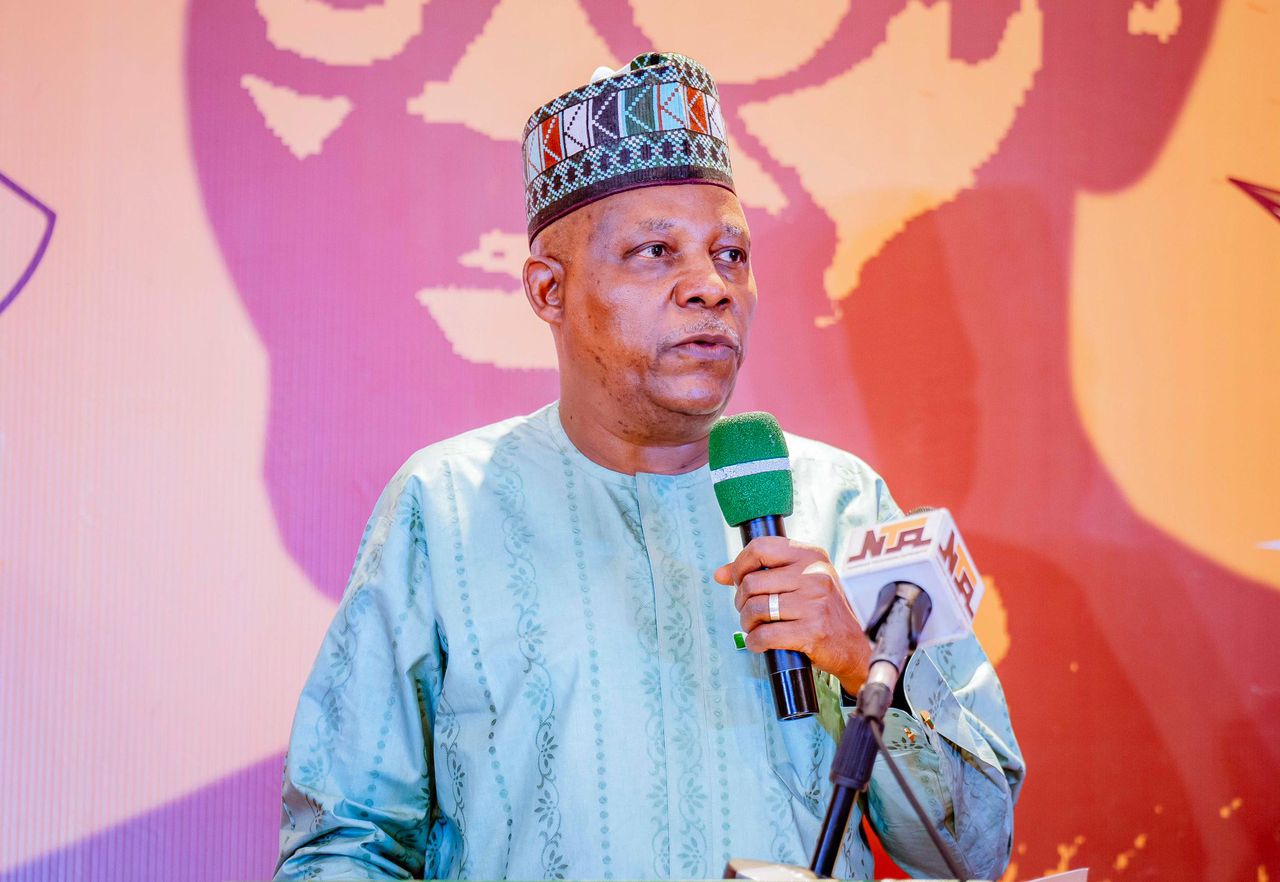
The Vice President, Kashim Shettima, has directed the board and management of the Nigerian Independent System Operator (NISO) Limited to maintain the highest standards of integrity and expertise in carrying out its duties.
He also called on the members to ensure a seamless generation, transmission and distribution of electricity across the country by tackling the national grid challenges.
The VP said while expectations are high, members of the board will need to utilise their collective expertise and individual capabilities to achieve the ambitious goals of President Bola Ahmed Tinubu’s Renewed Hope Agenda in the nation’s power sector within a short period.
Speaking on Tuesday when he inaugurated the newly constituted Board of Directors of the NISO at the Presidential Villa, Abuja, Shettima told members of the board that while the Tinubu administration is resolute about building a resilient, transparent and investment-friendly power sector, it is their duty to actualise the mandate.
“President Bola Ahmed Tinubu’s administration remains steadfast in its commitment to building a resilient, transparent and investment-friendly power sector. The establishment of NISO is a decisive step towards achieving this vision.
“The government will continue to provide the necessary support to ensure that NISO operates independently and efficiently, in line with global best practices.
“We urge the board and management of NISO to uphold the highest standards of integrity, professionalism, and dedication in carrying out their duties.
“Your leadership will be instrumental in shaping the future of the Nigerian Electricity Supply Industry, ensuring sustainable development and economic growth,” he stated.
Emphasising why members of the NISO Board of Directors were appointed, the vice president pointed out that it is part of the administration’s “unwavering commitment to reforming and strengthening the Nigerian Electricity Supply Industry (NESI).”
He maintained that NISO, which is made up of the System Operator (SO) and Market Operator (MO), has a critical role to play in “ensuring the stability, reliability and security of the national grid.”
President Tinubu’s approval of the NISO board, Senator Shettima noted, is in fulfilment of the provisions of Section 30(2) of the EA 2023, which stipulates the appointment of a professionally competent and capable leadership team to drive the organisation’s mandate.
On the future of the Transmission Company of Nigeria, the vice president said, “While TCN is expected to transfer all assets and liabilities related to market and system operations to NISO, in line with Section 15(2)(b) of the Act, it will retain its transmission service provider license.
“Strategically, TCN will continue to play a pivotal role in the power sector by maintaining responsibility for transmission assets and undertaking functions essential to the development and maintenance of Nigeria’s power transmission infrastructure.
“This role will be carried out in accordance with the terms of its license, as issued by NERC, and the relevant provisions of the Act. Going forward, TCN will prioritise enhancing grid infrastructure, strengthening regional interconnections, and facilitating investment in critical transmission upgrades to meet the evolving needs of the electricity market.”
Earlier, the Minister of Power, Chief Adelabu A. Adebayo, said NISO is saddled with the responsibility of determining “the efficiency and stability of the national grid, the transparency of market operations and ultimately, the quality of service experienced by electricity consumers across the country.”