
Strike: Wike, FCT council chairmen to meet labour leaders on Thursday
The FCT Minister, Nyesom Wike, and the six area council chairmen are meeting with leaders of the FCT wing of the Nigeria Union of Teachers (NUT), the Nigeria Union of Local Government Employees (NULGE) and the National Association of Nurses and Health Workers (NANAHW) in Abuja on Thursday, Abuja Metro can report. The meeting is […]
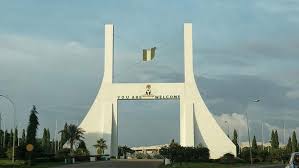
FCT
The FCT Minister, Nyesom Wike, and the six area council chairmen are meeting with leaders of the FCT wing of the Nigeria Union of Teachers (NUT), the Nigeria Union of Local Government Employees (NULGE) and the National Association of Nurses and Health Workers (NANAHW) in Abuja on Thursday, Abuja Metro can report.
The meeting is aimed at discussing the lingering strike over the non-payment of the backlog of arrears and other entitlements by the council chairmen.
One of the leaders of the unions, who preferred anonymity, confirmed the meeting while speaking with our reporter on Tuesday.
He said a letter from the minister’s office was conveyed to each of the union leaders through the state council of the Nigeria Labour Congress (NLC).
“Yes, it was on Monday. A letter was conveyed to each of the union leaders inviting them for a meeting with the FCT Minister, Nyesom Wike, and the six area council chairmen in Abuja on Thursday this week to deliberate on the lingering strike by the teachers, area council workers and health workers,” he said.
The chairman of the FCT wing of the Nigeria Union of Teachers (NUT), Comrade Abdullahi Mohammed Shafas, also confirmed the invitation for the meeting.
He said, “It is true, we will be meeting with the minister and the six area council chairmen on Thursday but I can’t say much for now until after the meeting.”
It would be recalled that the primary school teachers, area council workers as well as health workers in the area councils have been on strike for over three months now due to the non-payment of backlogs of arrears and other entitlements by the councils’ chairmen.
The strike action has created concerns among various organizations, including civil society groups and the traditional institution in the nation’s capital.