
Sudan’s landslide disaster deepens a country’s humanitarian abyss
The village of Tarasin, nestled deep within Sudan’s Marrah Mountains, has become the epicenter of one of the country’s deadliest natural disasters in recent history. Torrential rains triggered a catastrophic landslide on Sunday, reportedly killing over 1,000 people and flattening the entire settlement. Only one survivor has been confirmed, according to the Sudan Liberation Movement/Army […]
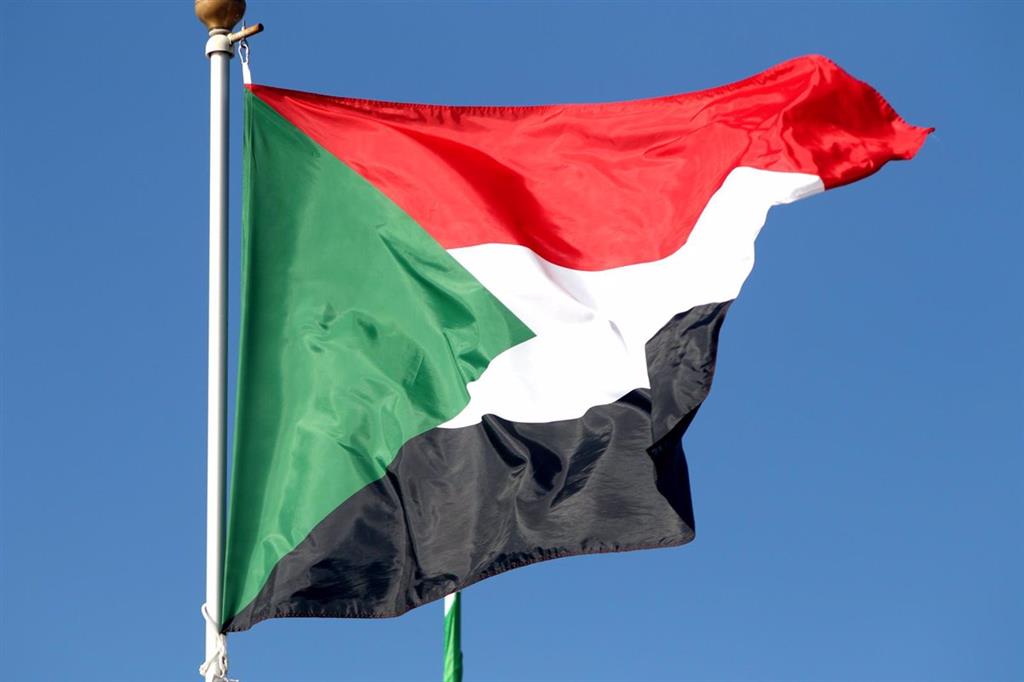
sudan
The village of Tarasin, nestled deep within Sudan’s Marrah Mountains, has become the epicenter of one of the country’s deadliest natural disasters in recent history.
Torrential rains triggered a catastrophic landslide on Sunday, reportedly killing over 1,000 people and flattening the entire settlement.
Only one survivor has been confirmed, according to the Sudan Liberation Movement/Army (SLM/A), the rebel group that controls the area.
The tragedy is not merely a natural calamity—it is a stark reflection of Sudan’s deepening humanitarian crisis. The region, already reeling from years of civil war, famine, and displacement, now faces the added burden of a disaster that has overwhelmed local capacity and exposed the fragility of emergency response mechanisms.
Rescue efforts have been slow and arduous. Aid workers from Save the Children, in partnership with the Darfur Relief Office and the United Nations, were forced to travel by donkey to reach the remote village.
Their six-hour journey through pothole-ridden terrain underscores the logistical nightmare of delivering aid in a country where infrastructure has been decimated by conflict.
The team, which includes health professionals and mental health specialists, is now assessing the extent of the damage and the need for further assistance.
The ruling Sovereign Council in Khartoum has expressed condolences and pledged “all possible capabilities” to support the region. But for many, especially those in rebel-held territories, such promises ring hollow. The disconnect between central authorities and peripheral communities remains a persistent barrier to coordinated humanitarian action.
Conflicting death tolls and fragmented response
The landslide has also exposed a troubling lack of consensus among stakeholders. While the SLM/A insists that over 1,000 people perished, the UN’s International Organisation for Migration (IOM) has only tracked around 150 displaced individuals and has yet to confirm a casualty count. This discrepancy highlights the challenges of data verification in conflict zones, where access is limited and political narratives often shape reporting.
Video footage released by the SLM-AW (a faction of the Sudan Liberation Movement led by Abdel Wahid Nur) shows volunteers digging through mud and rubble with rudimentary tools, desperately searching for survivors.
The group claims that 65% of the victims were displaced persons who had fled violence elsewhere in Darfur, seeking refuge in the relatively peaceful Marrah Mountains. Their deaths are a grim reminder that even sanctuary is no longer safe in Sudan.
The destruction is staggering: over 1,500 homes obliterated, more than 4,000 livestock lost, and entire families buried beneath the earth. Yet international aid remains slow to mobilize. A multi-sectoral assessment team from Solidarity International is expected to arrive from Golo and Nyala, but heavy rains and treacherous terrain continue to impede progress.
Aid workers on the ground have described the situation as dire. Abdul Hafeez Ali, head of the Tawila and Jebel Marra Emergency Room, told the BBC that the landslide caused “a mountain to collapse,” leaving just one known survivor.
He lamented the lack of resources and the difficulty of conducting full-scale rescue operations. Communication is nearly impossible, with solar-powered networks down and many areas accessible only by foot or pack animals.
War, famine and collapse of humanitarian access
The landslide comes amid Sudan’s ongoing civil war, now in its third year, which has plunged the country into one of the world’s worst humanitarian crises.
Fighting between the Sudanese Armed Forces (SAF) and the paramilitary Rapid Support Forces (RSF) has displaced millions and rendered vast swaths of the country inaccessible to aid organisations.
Darfur, once the focus of global humanitarian attention, has become a “black hole” in Sudan’s relief efforts, according to Doctors Without Borders (MSF).
The Marrah Mountains, while historically a refuge, are now isolated and vulnerable. Factions of the SLM/A have pledged to fight alongside the SAF against the RSF, further complicating the humanitarian landscape.
In el-Fasher, the last major city held by the army in Darfur, RSF forces have maintained a year-long siege, seeking to consolidate control and establish a rival government.
The collapse of Khartoum earlier this year has only intensified the scramble for territorial dominance, leaving civilians caught in the crossfire.
The International Organisation for Migration has called for safe access and a scaling-up of support to the affected areas. But without a ceasefire or coordinated political will, such appeals may go unanswered.
Meanwhile, famine has already been declared in parts of Darfur, and the landslide has only exacerbated food insecurity and medical shortages.
As the rubble in Tarasin continues to be sifted for bodies, the broader picture is clear: Sudan is not just facing a natural disaster, it is enduring a systemic collapse. The landslide is a tragic symptom of a nation where governance has failed, conflict has metastasized, and humanitarian aid struggles to reach those who need it most.