
Sugarcane pest attack: Kano farmers search for solution, BUK steps in
Sugarcane farmers in Kano State are facing one of their worst agricultural crises in recent times as a deadly pest, Eldana saccharina, also known as African sugarcane borer, devastates farmlands across Kura LGA. The outbreak has left hundreds of farmers counting losses running into millions of naira, threatening livelihoods and forcing many youths to abandon […]
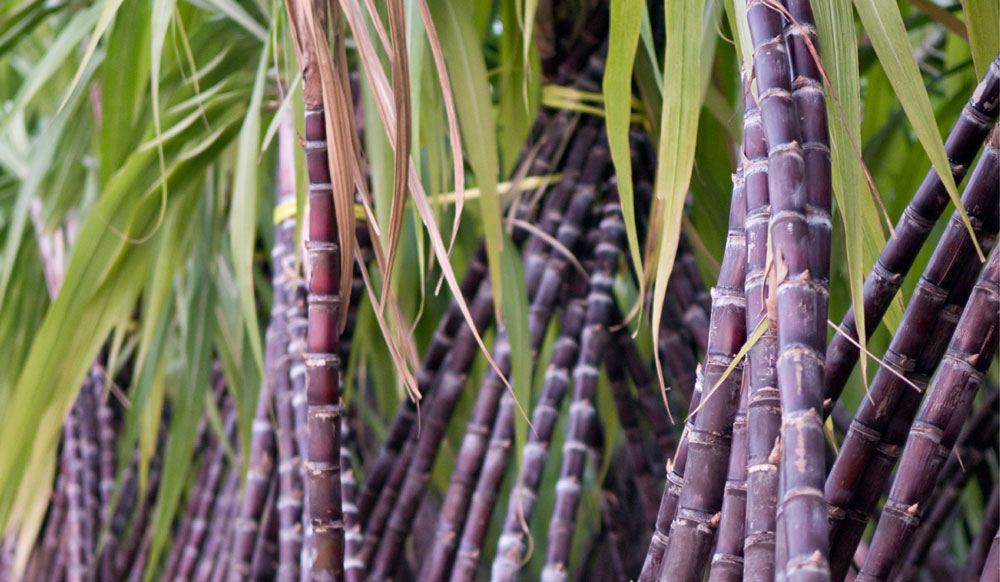
sugarcane
Sugarcane farmers in Kano State are facing one of their worst agricultural crises in recent times as a deadly pest, Eldana saccharina, also known as African sugarcane borer, devastates farmlands across Kura LGA.
The outbreak has left hundreds of farmers counting losses running into millions of naira, threatening livelihoods and forcing many youths to abandon farming for urban migration.
Daily Trust gathered that the pest, whose larvae bore into sugarcane stalks and other cereal crops, has crippled production in communities such as Dukawa, Kunshama, Danga, Tofa, Kwari, Gamadan, Yadagungume, Tudu, and Gidan Makera.
The farmers said the infestation had reached unprecedented levels, with entire farms destroyed and harvests reduced to ash.
They said the losses had affected their ability to pay workers, buy fertiliser and sustain irrigation.
They noted that with the youths migrating to cities, the social and economic fabric of the rural communities was under severe strain.
Agricultural experts warned that if left unchecked, the pest could spread to other sugarcane-producing states, threatening Nigeria’s sugar industry and national food security.
We lost hundreds of millions – Farmers
For Shehu Danga, in Kura, the devastation is beyond imagination.
He said, “It has never been this bad. This is the first time we are witnessing this. In some farms, we cannot harvest even a single sugarcane stalk; we just had to burn everything down.”
Shehu said he lost over N6m, noting that he got N7m last year.
He said, “This year, it was barely N1m. I couldn’t recover fertiliser and irrigation costs, let alone the cost of labour.”
Another farmer, Hassan Ubale Shawai, said the pest had left him unable to feed his family.
He said, “Farming is our only business here, inherited from our forefathers. I personally lost over N5m this year. Last year, I sold over N6.8m worth of sugarcane, but this year I didn’t get one-third of that. Despite the crash in food prices, I am struggling to feed my family.”
Sulaiman Adamu Tofa noted that the situation was forcing the younger generation to look elsewhere.
He said, “Almost everything has been destroyed. You have to burn the crops yourself. Now, the entire business is crippled. Many youths are already travelling to urban centres in search of greener pastures.”
The Village Head of Danhassan, Alhaji Adda’u Sani, told Daily Trust that nearly all neighbouring communities relied on sugarcane as their primary livelihood.
He lamented that the pest had cut off their only means of survival.
He said, “The main work of our representatives is to hear our plight. We are calling on our district head, our state and federal lawmakers, the Ministry of Agriculture and the local government chairman to support the farmers. They are in serious need.
“If it were time for taxes, they wouldn’t be able to pay. We need philanthropic support, but the biggest support we need is a permanent cure for this deadly pest. We are sugarcane farmers and we won’t stop farming it.”
Himma Radio to the rescue
In response to the outcry, Himma Radio, a pioneer community radio station in Kano dedicated to agriculture and nutrition, organised an event linking farmers with researchers from the Bayero University Kano (BUK).
The station also launched a support fund to mobilise assistance for affected farmers.
Himma Radio’s Manager, Ismail Yusuf Makwarari, said the intervention followed a direct call from the farmers.
He said, “After reporting the issue, we linked the farmers with BUK’s Faculty of Agriculture to study the pest and offer solutions. The researchers came to the villages, took samples of the larvae and confirmed it is Eldana saccharina.
“We realised the farmers had been neglected, so we decided to share the research results to show them how to tackle it. We also felt the public should know so they can offer a helping hand.”
The science behind the pest
Dr. Baba Sani Wudil, from BUK’s Department of Crop Protection, confirmed the identity of the pest. He explained that the insect was a stem borer that attacked sugarcane and cereals such as sorghum, millet, wheat, rice and maize.
He said, “This insect is very devastating, especially in areas like this where it has formed a colony. Eldana saccharina has existed in Nigeria for several years wherever sugarcane is produced.”
Dr. Wudil advised farmers to adopt integrated pest management (IPM) strategies.
He said, “Farmers should embrace farm sanitation and crop rotation. If they plant sugarcane this year, they should plant vegetables the next. This alternation will reduce the menace of the pest.”
He further recommended early-stage chemical sprays and the use of bio-pesticides such as neem oil or neem seed extracts.
He said, “Excessive use of chemicals has rendered the larvae resistant. That is why I advise alternating chemicals with cultural practices like crop rotation.”
He stressed that eradicating the borer required a comprehensive research package, potentially leading to the development of resistant sugarcane varieties.
He said, “We have notified the Federal Ministry of Agriculture through the NCRI (National Cereals Research Institute) and the Sugarcane Council of Nigeria to come to the aid of these farmers. One immediate solution is providing relief packages to cushion the shock. Secondly, the government must invest in research for a permanent solution.”
Dr. Wudil revealed that a PhD student had begun research into the pest but faced funding challenges.