
Tariff Hike: NLC’s Planned Protest Not In Public Interest – CSOs
The Coalition of Human Rights Monitoring Groups (CHRMG) has condemned the Nigeria Labour Congress’s (NLC) planned protest against the 50% telecom tariff increase, describing it as “misguided and not in the public interest.” The CSOs said the tariff hike, approved by the Nigerian Communications Commission (NCC), is a necessary measure to prevent the telecom sector […]
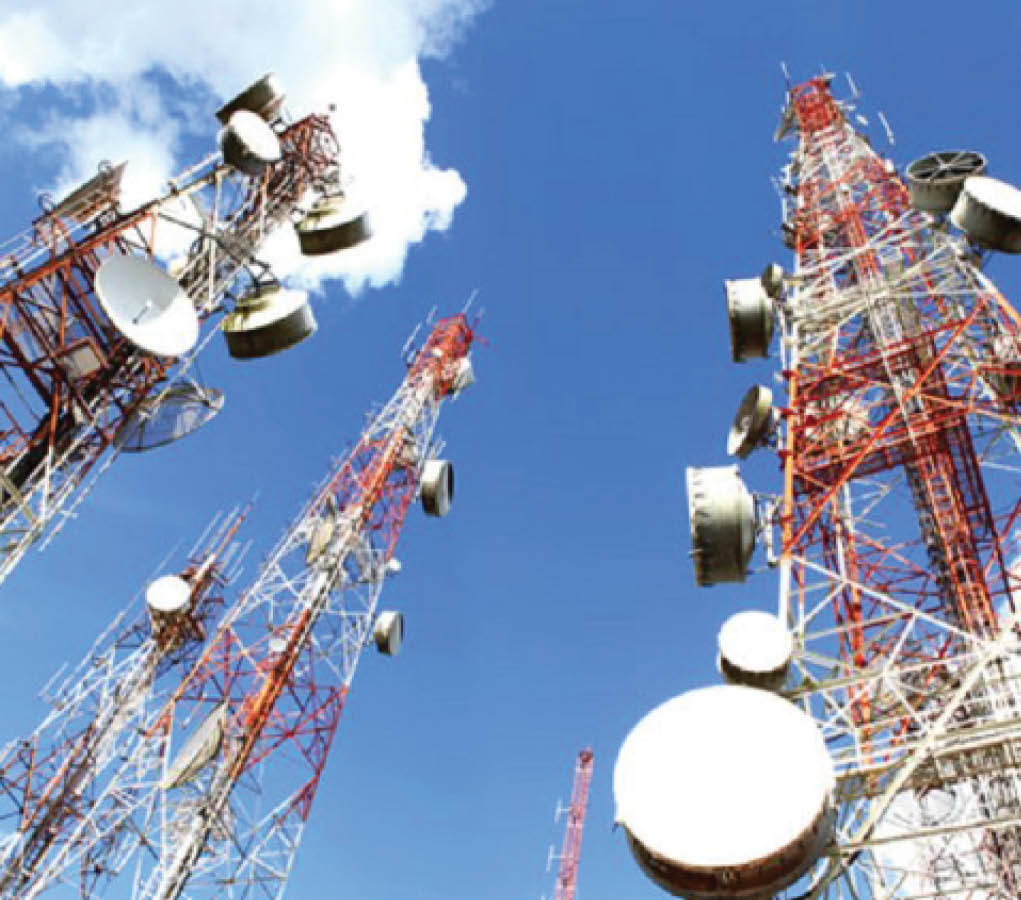
consumers kick as telecoms insist on tariff hike
The Coalition of Human Rights Monitoring Groups (CHRMG) has condemned the Nigeria Labour Congress’s (NLC) planned protest against the 50% telecom tariff increase, describing it as “misguided and not in the public interest.”
The CSOs said the tariff hike, approved by the Nigerian Communications Commission (NCC), is a necessary measure to prevent the telecom sector from collapsing.
According to Dr. Gabriel Agibi, President of the group, with the current inflation rate at 34.8%, a nearly 300% increase from 8.5% in 2013, the tariff adjustment is essential to reflect economic realities.
Agibi said the NCC’s decision was made in good faith, taking into account ongoing industry reforms that will positively influence sustainability.
He added that the tariff hike is also crucial in ensuring that Nigeria’s telecom sector remains competitive with international standards.
“The last telecom tariff increase was in 2013 when Nigeria’s inflation rate was 8.5%. However, with the current inflation rate at 34.8%, a nearly 300% increase, the tariff adjustment is essential to reflect economic realities,” Agabi said.
“The NCC’s decision was made in good faith, taking into account ongoing industry reforms that will positively influence sustainability. The increase will remain within the tariff bands stipulated in the 2013 NCC Cost Study, ensuring that it does not unduly burden consumers.
“The tariff hike is also crucial in ensuring that Nigeria’s telecom sector remains competitive with international standards. Compared to other countries, Nigeria’s telecom tariffs are relatively low.
“For instance, in South Africa, the average cost of 1GB of data is around ₦1,200, while in Ghana, it is around ₦1,500. In Nigeria, the average cost of 1GB of data is around ₦500. The tariff hike will help to bridge this gap and ensure that telecom operators can invest in infrastructure and provide quality services to consumers.
“The tariff hike is also essential for the Nigerian government’s digital economy agenda, which aims to leverage technology to drive economic growth and development.
“With increased revenue from tariffs, telecom operators will be able to invest in expanding their networks, improving internet speeds, and developing new digital services, ultimately supporting the government’s efforts to create a more digital and connected society.”
The Coalition commended President Tinubu’s administration for its efforts to reform the telecom sector, ensuring its sustainability and growth.