
The colour of disaster coverage
This year alone, our world has been shattered by more tragedies than it has the capacity to cope with. And I am not talking about political tragedies, such as having a tweeting Trump as president of the most powerful nation stoking the tail of a demented tiger like Kim Jong-on. Those kinds of tragedies tend […]
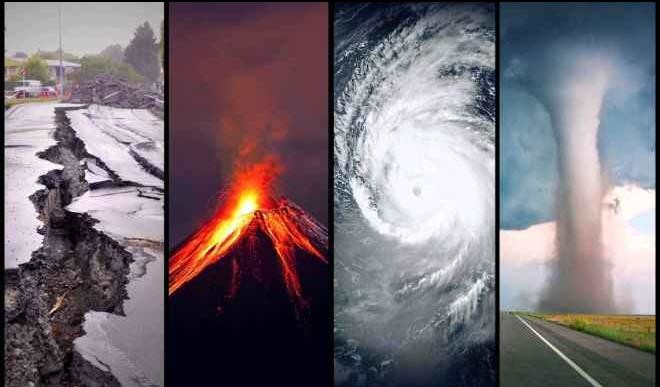

This year alone, our world has been shattered by more tragedies than it has the capacity to cope with. And I am not talking about political tragedies, such as having a tweeting Trump as president of the most powerful nation stoking the tail of a demented tiger like Kim Jong-on. Those kinds of tragedies tend to give advanced warnings before they explode unlike the last earthquake to hit Mexico, killing 90 people and counting.
Come to think of it, some countries are more suited to cope with disaster than others. If you follow global news, you will find out that usually, people get advanced warnings about natural disasters, thanks to advanced technology and early warning systems. But for the over 1,000 people either dead or legally declared missing in Sierra Leone’s last landslide, there was no such warning before their homes caved in overnight following torrential rains.
The Freetown tragedy got global attention for a few days before Hurricane Harvey pounded the coasts of Texas leaving in its trail flood of monumental and unprecedented proportions. Death toll in the Harvey flooding was put at 60 or more. It is possible that casualties failed to heed evacuation warnings. There is something asinine in the psyche of man that makes him value his possessions than his life.
Although there were more clips of brown-skinned looters helping themselves to Air Jordan sneakers during the various disasters in the US, social media gleanings reveal over and again that criminality is no respecter of colour. White looters posted pictures of their looted items online. Charlatans also waited to cash in on the misfortune of others. Some shop owners sold water, canned food and essential goods at double or triple their prizes and some gas station owners and hotel managers jerked up the prices of their commodities. Florida’s attorney general promised to prosecute price gougers in her state to the tune of $1,000 for every dollar profit they make.
In the tragedy coverage, were stories that remind us of the beauty of being human and humane – since not all people are both. The most poignant being the Florida man who gave up a generating set he bought at a store to a total stranger whose relative needed the power to keep a patient on oxygen alive during the power outage. Obviously, there would be other unknown and unsung good Samaritans whose acts of kindness would become legends in people’s hearts as they unfold. Heroes and heroines, as well as victors and villains are made in times like this. Natural and even man-made disasters bring out the best and the worst in us.
The media is always out there to tell the story to the world. The advancement of technology and social media brings us closer to our world as it lives up to its appellation as a global village. With this advancement, crime and criminality are playing the old game between light and darkness on the news.
As we ponder over why the hurricane in Texas eclipsed the flooding in Makurdi and later Kogi, an infographic titled Tragedy World Map trended on social media. What it did was bring the Map of the World to us in a way and manner that makes us evaluate ourselves on the scale of global news relevance and importance. Tragedies happening in Europe, Australia and the United States would dwarf the worst natural disasters anywhere else in the world. With the loud colour of red, this is top of the news in importance and hierarchy – obviously.
On the yellow line are countries such as Canada, Latin America and India although I thought that India and China should feature here because, not only are they technology savvy, they are fast becoming empires of sorts. A tragedy happening in Russia and Eastern European countries might make the follower shrug their shoulders as if to say – that’s life! That is how they are described on the Green belt of the infographic. On the Blue Line of things are China and some other less known nations that the infographers mark with a curiously hilarious but tragic sign of – Wait a moment, where’s that?
It is the brown belt of the infographic that fits the rest of the world – basically Africa and perhaps the Middle-East minus Israel. You could add the Rohingya and other threatened peoples of the world here too. Yet, this is where a third of the population of the world lives and brings the infographic of colour alive. If you look at the amount of time devoted to reporting the first world, you would pardon the charlatan religious leaders who convince their congregation to sell their chattels and prepare for Armageddon while they keep theirs.
The tragedy is, things would never change until citizens acquire the status of humans in their own homes with their home governments. For instance, in Naija, Governor Abdulaziz Yari of Zamfara State has just returned from hajj on a chartered plane while his workers have given a strike notice. No money to pay workers, but enough to fund his pilgrimage.