
The disinformation quagmire
These days the discussions on the dangers of disinformation far outweigh discussions on the many benefits of the internet and social media platforms. Disinformation is a real threat to people, nations, institutions – and everything. People manipulate social media platforms to share content that is outrightly misleading or entirely false and fabricated. The aim is […]
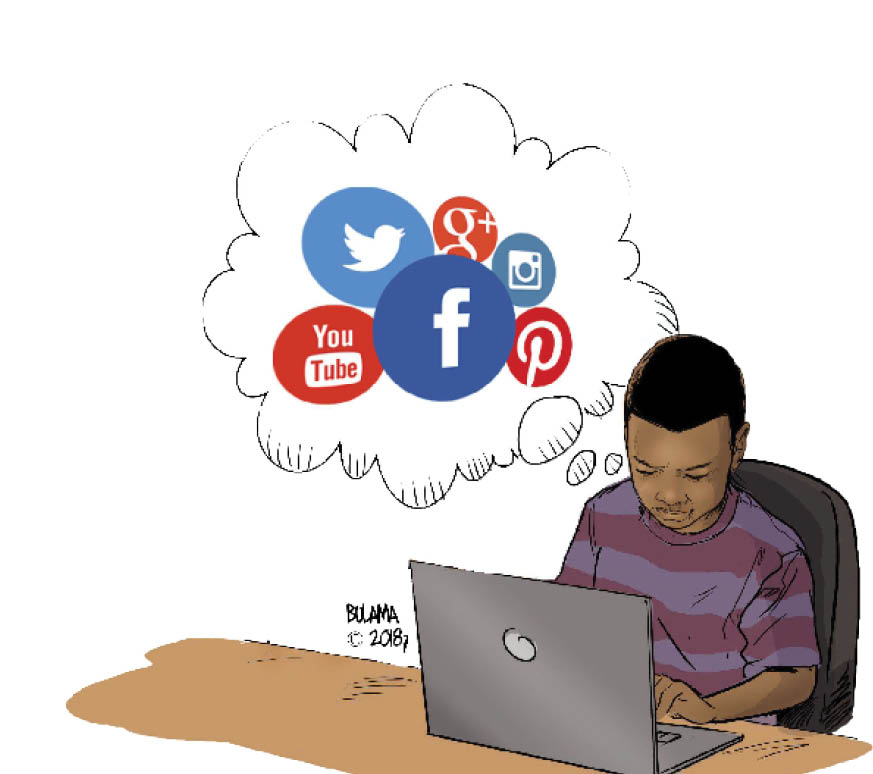
These days the discussions on the dangers of disinformation far outweigh discussions on the many benefits of the internet and social media platforms. Disinformation is a real threat to people, nations, institutions – and everything. People manipulate social media platforms to share content that is outrightly misleading or entirely false and fabricated. The aim is always sinister; to deliberately mislead. Those who engage in disinformation are increasingly becoming more audacious – as more people fall gullibly for their falsehood. More countries are taking measures to counter disinformation. The concerns are the same all of the world, but the methods of dealing with the problem differ.
Peddlers of disinformation target elections in many countries – to manipulate the people and compromise the sanctity of choice. In developing countries, where ethnic and religious divisions are fashionable – and are useful tools of power bargain, disinformation is always used to appeal to people’s emotions – to lure them into believing lies about people that are different from them. We are now at a time when someone or some people can edit pictures or videos, or even create a text about a situation, event or incident that was entirely made up to smear, denigrate or incite. The dangers are just too many to enumerate.
Many countries are coming up with legislations seeking to regulate Social Media. In almost all countries such a move triggered so much debate and suspicion and anxiety on; what a regulation of social media will look like? Is it going to be a modern version of censorship? Even some victims of disinformation raised their voices against regulating the cyberspace, pointing out that, any regulation can only empower people in positions of authority to punish the people for exercising freedom of expression. In many countries terms like ‘fake news’ have become the façade of targeting dissenting voices and the opposition. What may turn out to be social media regulation, from the examples of some countries, is freighting. Authorities can shut down the internet, people can be arrested, media houses can be raided, websites can be blocked, journalists can be harassed, bloggers can be thrown into jail. Expressing an opinion on social media can take the shape of a roller coaster – without the fun. In Tanzania, authorities can charge bloggers up to 920 US Dollars per year – and this is a country ‘with per capita income is less than 900 US Dollars.’ In Singapore authorities are using a horrid ‘fake news’ law that forces social media companies to comply with outright suppression of voices critical of government. All the first cases of implementing the fake news law in Singapore were members of or are connected with opposition parties. In all the countries, where draconian laws were put in place to tackle disinformation, the laws end up promoting only those ‘truths’ sanctioned by authorities. Who will determine what is ‘fake news’?
There is no dispute anywhere on the dangers of disinformation but how to tackle it remains fluid. Tackling disinformation should not in any deprive anyone of right to freedom of expression. Tackling disinformation should not be a tool of punishing people for expressing critical opinions. Tackling disinformation should not be a way of gagging the media and journalists. It should not empower a few people to control what information can be shared.
Who should bear responsibility for the dissemination of disinformation? Is it creators of the content? Social media platforms? Or those who share? Canada came up with a task force that puts responsibility of taming disinformation on social media platforms. In June 2018 Italy created an online portal where citizens can report misinformation to the police. Recently, Germany approved a bill to force social networks such as Facebook and Twitter to report criminal posts relating to racial incitement, child pornography and terrorism to the police. Belgium has a website to inform people on misinformation. United Kingdom is taking steps to ensure that social media platforms protect users from harmful contents involving terrorism, violence, child abuse and cyber-bullying. Also, harmful content must be removed quickly, and measures put in place to prevent it. It takes more than literacy to identify a hoax or a dangerous conspiracy theory passed as news. Therefore, many countries have embarked on an elaborate media literacy campaign. It empowers people to people to make informed choices, as creators and consumers of media content. The media is also taking up the challenge of fighting disinformation by setting up teams dedicated to fact-checking.
Those who peddle disinformation deliberately want to make even the truth debatable, incite and widen divisions and fear. Their intention is always to confuse the public and create crisis of confidence. They exploit people’s emotions and erode people’s confidence in the media. By appealing to people’s biases, they easily succeed.
Some countries ended up creating more distrust between the people and authorities by throwing repressive legislations at disinformation. Even in countries where institutions are strong and shielded from manipulation for personal or political benefits, people are still suspicious of regulation of the cyberspace or social media platforms. Everyone benefits when people are free to express themselves. Nothing is as bizarre as depriving people of freedom of expression in the name of protecting them from disinformation.
Globally, the scale of disinformation is staggering and the ways it is tackled are – so far – chaotic.
Isa Sanusi writes from Abuja, Nigeria