
The “Durnovo Memorandum” and the future of Nigeria
“Degeneration and advance are not fixed processes, but recur in cycles in the history of every nation”, John Buchan History often speaks to the present in ways that are both subtle and profound. One of the most haunting warnings in modern history came in 1914, when Pyotr Durnovo, a Russian statesman and Minister of the […]
“Degeneration and advance are not fixed processes, but recur in cycles in the history of every nation”, John Buchan
History often speaks to the present in ways that are both subtle and profound. One of the most haunting warnings in modern history came in 1914, when Pyotr Durnovo, a Russian statesman and Minister of the Interior, presented a memorandum to his Emperor, Tsar Nicholas II. The prediction contained in the memorandum was stark: if Russia entered into a war against Germany, it would expose the internal weaknesses of the empire, exhaust its economy, and trigger a social revolution that could sweep away the monarchy itself. At the time, Russia was just coming to terms with the shock of utter defeat at the hands of Japan’s imperial forces in the Far East in 1905. Just three years after the memorandum was written, the Bolshevik Revolution broke out in 1917, thereby vindicating Pyotr Durnovo’s foresight, and Russia’s centuries-old monarchy collapsed in chaos.
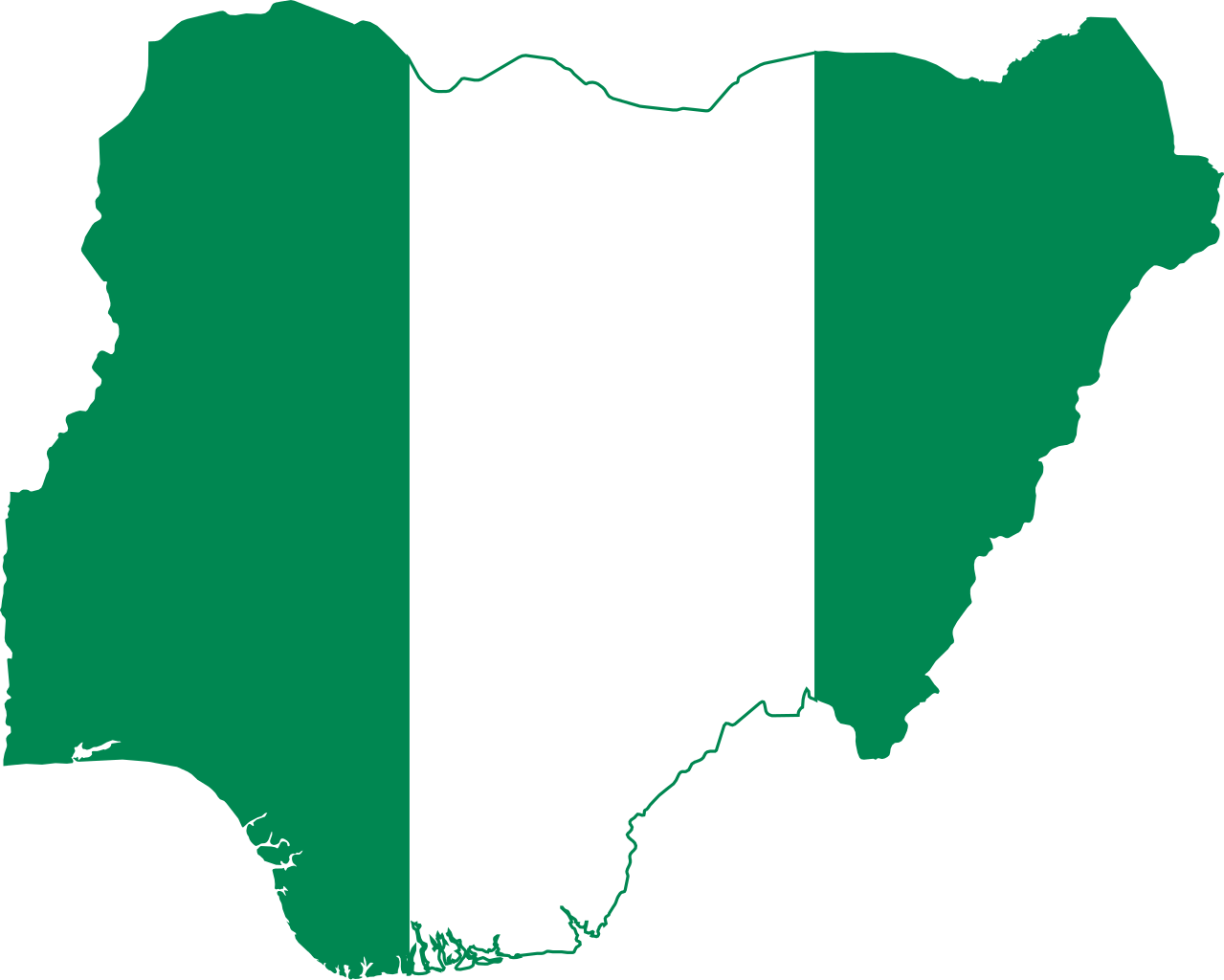
Nigeria today faces no world war, but it stands at a critical juncture in its national journey. The country is buffeted by insecurity, corruption, economic stagnation, and social division. Like Durnovo’s Russia, Nigeria suffers from structural fragilities that could worsen under external and internal shocks. But the greatest danger is not the challenges themselves—it is the pervasive pessimism about whether Nigeria’s elites and leaders are capable of addressing them. When pessimism dominates, reform becomes impossible, and decline and collapse become inevitable.
The Durnovo Memorandum thus offers a useful mirror for Nigeria if we care to read and learn from it. Its warning is not only about the dangers of crisis, but also about the consequences of elite complacency, corruption, and the refusal to act decisively in the face of looming catastrophe. At the heart of Nigeria’s malaise lies the failure of its political elite.
Since 1999, a narrow class of rulers, politicians, and businessmen have monopolised and weaponised power, wealth, and influence, while paying lip service to the ideals of democracy, accountability, and good governance. Like the Russian aristocracy of the early 20th century, Nigeria’s ruling class has consistently placed its immediate interests above the long-term survival of the state and the collective interests of the people.
The consequences are evident in every sector. Public funds meant for infrastructure are siphoned off into private accounts. Oil revenues, which could have financed industrial transformation, have instead enriched a few at the expense of millions. Corruption scandals, often involving staggering sums, erupt with depressing frequency but rarely lead to meaningful accountability. This elite impunity has hollowed out state institutions, leaving them weak, ineffective, and incapable of responding to the country’s urgent challenges.
Elite culpability is also a moral issue. Leaders who should inspire hope and confidence often project indifference and lethargy. Faced with crises of national security or economic collapse, they resort to platitudes, commissions of inquiry, or endless roadmaps that never lead to action. The result is a pervasive sense that governance in Nigeria lacks energy, purpose, and direction.
If Durnovo warned of the fragility of Tsarist Russia in the face of external shocks, Nigeria must recognise that corruption and indecision make its own state even more vulnerable. Corruption has not only drained resources; it has eroded the legitimacy of government itself. Citizens no longer trust leaders to act in the public interest. When government pronouncements are met with cynicism, and when promises are believed to be little more than schemes for elite enrichment, the social contract collapses.
Decisiveness and energy in governance are the antidotes to despair. Countries that face crises but are led by bold and visionary leaders often emerge stronger. Nigeria, however, has been plagued by leaders who equivocate, delay, and evade responsibility. Insecurity has been allowed to fester for years; economic diversification is endlessly promised but rarely pursued; corruption is condemned in words but perpetuated in deeds. In this vacuum, pessimism grows, and with it the belief that Nigeria is destined to fail.
Durnovo himself, while prescient, reflected the fatalism of the Russian elite. His memorandum warned of disaster but offered no bold programme of reforms to avert it. In that sense, it was a prophecy of doom without a roadmap for survival. Nigeria risks repeating this fatalism. The constant refrain that Nigeria will never change or that corruption is in our DNA is not only unhelpful but dangerous. It disarms citizens from demanding accountability, and it excuses leaders from taking risks or making sacrifices.
Yet, there is a difference between realism and pessimism. Realism requires acknowledging the depth of Nigeria’s crises. Pessimism, on the other hand, paralyses action and convinces people that reform is pointless. Nigeria cannot afford the luxury of pessimism at this time. The choice before us is a stark one: to confront elite corruption and indecision head-on and defeat them, or to drift toward collapse in the manner of Tsarist Russia in 1917!
Usman Sarki wrote via [email protected]