
The Electoral Act
Listening to the outpouring of indignation and searing criticisms that followed President Buhari’s decision to withhold assent to the latest version of the amendments to the Electoral Act, you would think he has put the final nail of the coffin of Nigeria’s chaotic democratic experiment. In fairness, many think he did just that, largely due […]
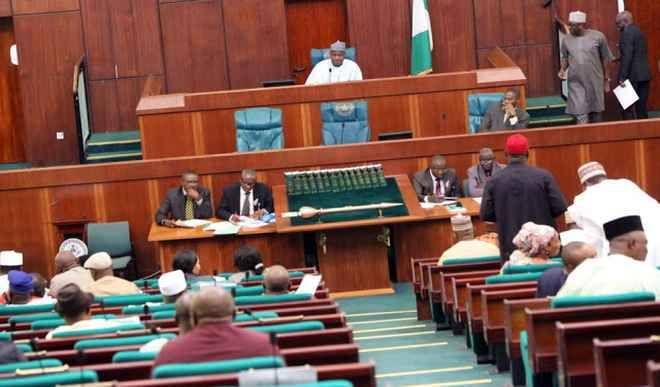
Listening to the outpouring of indignation and searing criticisms that followed President Buhari’s decision to withhold assent to the latest version of the amendments to the Electoral Act, you would think he has put the final nail of the coffin of Nigeria’s chaotic democratic experiment. In fairness, many think he did just that, largely due to widespread perception that the amendments include vital improvements which must be in place before the next elections, or the gains made by the 2015 elections will all be lost. Many others, including the opposition, thought the president had seen an advantage over the opposition in withholding assent, and may therefore have tilted the ground strategically to his advantage. Even knowledgeable stakeholders such as legislators and the global community who knew every detail in the amendments as well as its value in the quality of the legal framework of the electoral process believed he needed to assent to the amendments if only to show good faith and a commitment towards credible elections next year.
Those who defended the president’s decision did not do his case any good because they were unable to add value to his principal and lame excuse that an amendment to the law at this stage will visit the electoral process with chaos and confusion. The President, or those who advised him to take this position (or both) know that no one who has followed the tortuous route of these amendments will believe that the amendments will cause any legal confusion. INEC is thoroughly familiar with the finest details and nuances of all the amendment proposals, because both the presidency and the national assembly have involved them intimately in every facet of the amendment process. A vibrant civil society community had followed the courses of these amendments to a point where it could, with ample justification and confidence, advise the nation over the import of the president’s decision without embellishment or sensationalism.
The worst victim of the president’s decision to withhold assent to the bill is not the next elections. It is the standing and image of President Buhari who had squeezed every advantage out of the hand of his opponents in the course of an amendment process that was initially afflicted by the narrowest partisan and personal interests of key players, including him. Just when it appeared that he had everything he wanted done, and INEC and everyone else were preparing to roll out on the basis of an amended act, he dumps it and takes the nation back pretty much to where it was in 2010/2015.Fortunately, the essential elements of the electoral law are still in place. This was something the president’s babel of defenders could have gone to town with, if there are any among them familiar with damage control. After all, INEC will still use the Card Reader; the much- maligned incidence form has been removed, and the provision of electronic transmission of results that all parties suspected could be used against them will not be there to give everyone sleepiness nights.
There is the real danger that parties that have hijacked the arguments over the un-amended electoral act could engineer a dangerous de-legitimization process of next year’s elections. Those inclined to believe that president Buhari is subverting the electoral process by not signing the amendments into law now insist that the ruling APC is hostile to the amendments because it plans to rig the elections by exploiting all the weak points of the electoral process. In addition to its access to, and demonstrable tendency to use institutions of the state to muscle out the opposition during elections, intimidate and harass opponents and use the extensive advantages of incumbency, they argue, the ruling party has an unhealthy influence on INEC. Pushed to its logical conclusion, these accusations lay the foundations for disputing the legitimacy of its possible victory.
APC lacks as many points to make against the opposition,(principally here, the PDP) but it answers back with its own arguments that PDP is a notorious serial violator of the electoral process, and cannot win this election without damaging the image of the APC as a faithful follower of all laws and regulations. It lacks strong points to make in support of the withheld assent, so it dredges up accusations of slander and character assassination against it, and tops it up with the case that its president is right in insisting that the amendment will only make for better elections in the future. No one expects the APC to hang the president out to dry over his failure to put in place an improved electoral law, but its unapologetic defence of this failure is used by the opposition to lend credence to the case being made that it represents a real advantage to the ruling party.
It is late in the day to teach President Buhari the values of consultations and inclusive decision-making. It is doubtful if the president had consulted even the leadership of his own party in the legislature over his decision on work they laboured with colleagues for at least two years to produce. These legislators pressed colleagues and their personal ambitions to make additional room over and over again, until the amendment bill was near-perfect for the president’s assent. Now they are being railroaded to denounce valuable work they did as legislators, not just APC legislators. It is not even useful to lament the traditional mindset of President Buhari in ignoring the valuable option of engaging the opposition in major decisions requiring bi-partisan support. The president has made his decision and the nation has to live it, while he goes to the elections with the consequences. The legislature is too divided to even attempt an override his veto.
It is time to move beyond these unproductive arguments. A credible election can be conducted on the basis of existing legislation. INEC must keep its head and its fragile integrity. More serious threats to the credibility of the elections such as violence, abuse of state agencies, inflammatory campaigns, manipulation of faith, vote-buying and related breaches to the sanctity of the ballot must be taken up very seriously. There are worrying signs that the next few weeks will see the escalation of threats to credible elections, in spite of commendable efforts of respected Nigerians and the international community. Two areas need further work: INEC’s independence and credibility must be protected and reinforced, and the distance between the parties must be reduced.
Jamila Abubakar wrote this piece from Abuja