
The Future is Now: How Cyber Security, Data Science, Artificial Intelligence, and No Code AI Are Shaping the Digital Era
In the ever-evolving digital landscape, technologies like Cyber Security, Data Science, Artificial Intelligence (AI), and No Code AI are not just buzzwords—they’re foundational pillars transforming industries, businesses, and everyday life. Whether it’s protecting sensitive data, unlocking insights from vast datasets, automating processes, or democratizing tech development, these fields are leading a revolution that’s reshaping the […]
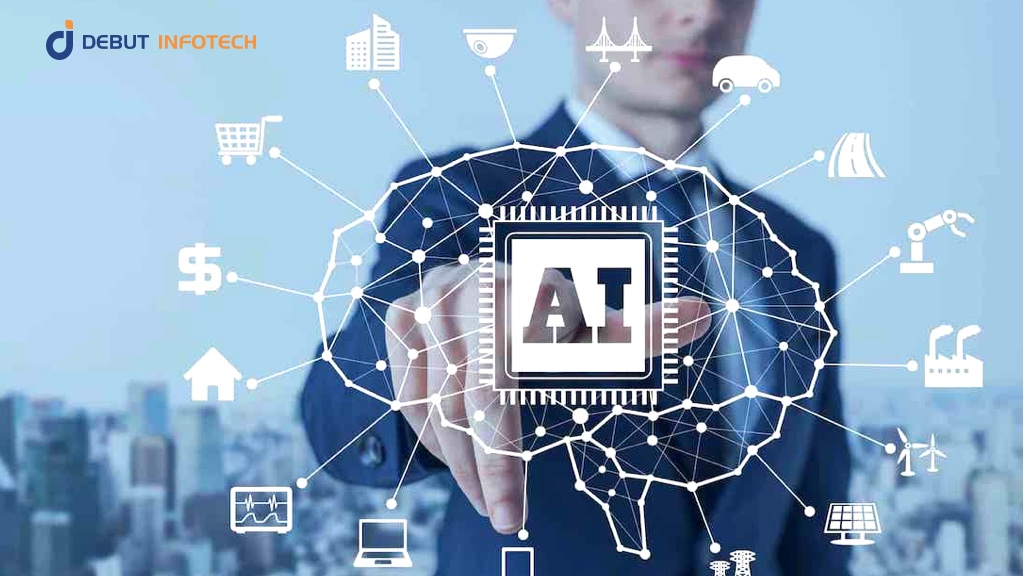
artificial intelligence in business
In the ever-evolving digital landscape, technologies like Cyber Security, Data Science, Artificial Intelligence (AI), and No Code AI are not just buzzwords—they’re foundational pillars transforming industries, businesses, and everyday life. Whether it’s protecting sensitive data, unlocking insights from vast datasets, automating processes, or democratizing tech development, these fields are leading a revolution that’s reshaping the way we interact with the digital world.
In this guest post, we explore how these domains intertwine and why professionals, students, and businesses must stay ahead of the curve by embracing this technological confluence.
1. Cyber Security: The First Line of Digital Defense
As businesses and individuals rely more on digital platforms, cyber threats have grown exponentially. From phishing scams to ransomware attacks, the risks are both sophisticated and far-reaching. A single data breach can cost millions of dollars and irreparably damage a company’s reputation.
This is where cyber security steps in as a critical safeguard.
Professionals trained in cyber security are the gatekeepers of modern information systems. They are responsible for identifying vulnerabilities, implementing security protocols, and responding to breaches. The demand for cyber security experts has never been higher, making it one of the most promising career paths today.
For those aspiring to enter this field, enrolling in a cyber security course can be a game-changer. These programs offer hands-on training in network security, ethical hacking, cryptography, and risk management. With many courses also offering certifications recognized by global organizations, learners can quickly transition into roles like security analysts, penetration testers, and compliance officers.
2. Data Science and Artificial Intelligence: Driving Intelligent Decisions
If data is the new oil, then data science and artificial intelligence are the engines that refine and utilize it.
Data science involves extracting actionable insights from raw data through processes like data cleaning, visualization, and statistical analysis. Artificial intelligence, on the other hand, leverages these insights to make predictions, identify patterns, and even automate decision-making processes.
Together, these fields have transformed how businesses operate. In healthcare, AI is used for disease diagnosis and personalized treatment plans. In finance, machine learning models detect fraud and optimize investment strategies. Even in retail, data-driven algorithms tailor recommendations based on customer behavior.
Professionals with skills in data science and artificial intelligence are highly sought-after. Mastery in tools like Python, R, SQL, TensorFlow, and cloud platforms gives them a competitive edge. But beyond the tools, the ability to ask the right questions, interpret results, and apply findings to real-world challenges is what makes a data science professional invaluable.
Educational programs that focus on both domains help learners gain interdisciplinary expertise—merging computer science, mathematics, domain knowledge, and soft skills. These programs are ideal for those looking to pivot their careers or deepen their understanding of intelligent systems.
3. No Code AI: Empowering the Next Generation of Innovators
One of the most exciting developments in tech is the rise of no code AI platforms. Traditionally, building AI models required deep programming knowledge and complex infrastructure. No code AI is changing that by allowing users to create and deploy machine learning models without writing a single line of code.
This democratization of AI is opening doors for entrepreneurs, domain experts, and small businesses who previously lacked the technical skills or resources to leverage artificial intelligence. Platforms like Google AutoML, Microsoft Azure ML Studio, and Peltarion offer drag-and-drop interfaces that make AI model development as simple as creating a presentation.
The impact of no code AI is profound:
- Speed: Models can be built and deployed in hours instead of weeks.
- Accessibility: Professionals in marketing, HR, sales, and other non-tech roles can now leverage AI.
- Innovation: More minds working on AI solutions leads to diverse and inclusive innovation.
Learning no code AI tools is a smart move for professionals who want to stay relevant in their industry without transitioning to full-time tech roles. With a minimal learning curve, they can harness AI’s power to solve problems, optimize workflows, and gain a competitive advantage.
4. The Intersection of Cyber Security, AI, and No Code Platforms
As these fields grow, their convergence is inevitable and necessary.
Cyber Security Meets AI
AI is increasingly being used to detect and respond to threats faster than human analysts ever could. Machine learning models can identify suspicious behavior, flag anomalies, and respond to attacks in real time. This is especially vital given the scale and complexity of today’s cyber threats.
However, AI systems themselves can become targets. Adversarial attacks, data poisoning, and model inversion are emerging threats. This highlights the need for cyber security professionals who understand AI systems—or AI practitioners who understand security protocols.
No Code AI and Security Implications
While no code AI boosts accessibility, it also raises concerns around security and governance. Users without formal training might inadvertently expose systems to risks if proper controls aren’t in place. Thus, organizations adopting no code platforms must implement strong governance frameworks and include security best practices from the start.
5. Career and Learning Opportunities: Now is the Time
The need for professionals trained in cyber security, data science, AI, and no code platforms is skyrocketing. According to various industry reports:
- The global cyber security market is expected to reach $400 billion by 2030.
- AI and data science jobs are among the fastest-growing, with some roles seeing over 30% year-over-year growth.
- No code platforms are projected to dominate enterprise software development by the end of the decade.
To tap into these opportunities, learners must invest in upskilling through credible platforms. Whether it’s an advanced cyber security course, a specialization in data science and artificial intelligence, or a bootcamp on no code AI, structured learning can accelerate your career trajectory.
Moreover, many of these learning programs are now available online, making them accessible to learners across geographies and time zones. With live projects, mentorship, and industry certifications, these courses are designed to be practical, flexible, and impactful.
Conclusion
As technology continues to evolve, so must our approach to learning and innovation. Cyber security, data science, artificial intelligence, and no code AI are not isolated trends—they’re interconnected forces shaping the future of work, business, and society.
By understanding their individual strengths and exploring how they complement each other, professionals and organizations can unlock new possibilities and build smarter, safer, and more inclusive digital experiences.
Whether you’re a student, working professional, or entrepreneur, now is the time to explore these domains, upskill, and stay ahead of the curve. Start with a reputable cyber security course, dive into data science and artificial intelligence, or experiment with no code AI—the future is in your hands.