
The future of moving: How artificial intelligence, smart technologies, and technology are changing relocating
People’s movement from one house to another is changing quicker than ever. Technology is reshaping what once was a laborious, paperwork-intensive, phone call-filled process. Smart technology, automation, and artificial intelligence are helping to make moving quicker, easier, and in certain situations even more cheap. The future of moving is a fascinating mix of invention and […]
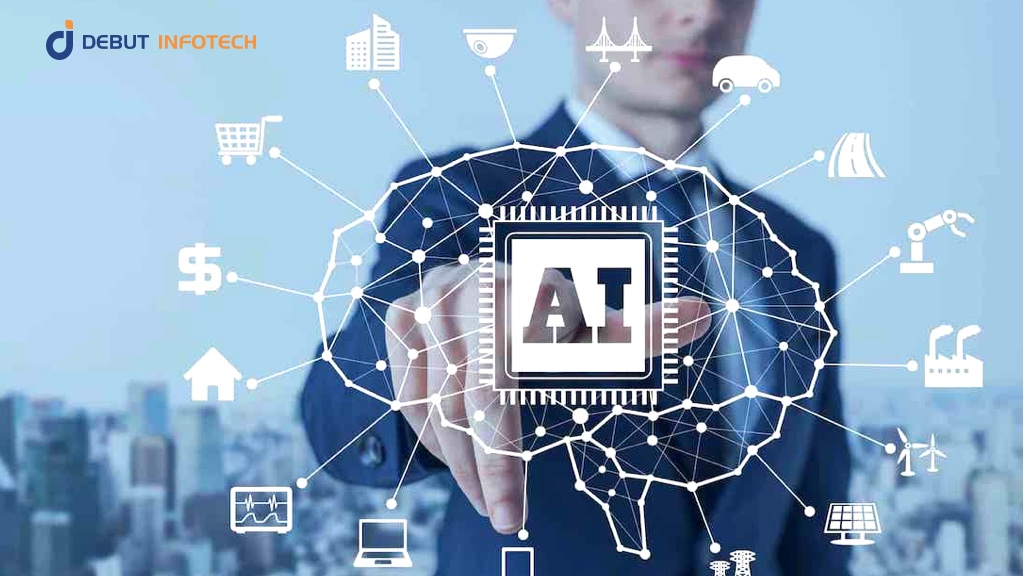
artificial intelligence in business
People’s movement from one house to another is changing quicker than ever. Technology is reshaping what once was a laborious, paperwork-intensive, phone call-filled process. Smart technology, automation, and artificial intelligence are helping to make moving quicker, easier, and in certain situations even more cheap. The future of moving is a fascinating mix of invention and convenience, from AI-driven logistics to smart home integration.
Redefining moving logistics using artificial intelligence and automation
Moving can be quite hectic—boxes piled everywhere, never-ending to-do lists, and the pressure of ensuring nothing gets lost in the process if you have ever done it. AI is assisting relocation businesses in changing that. AI can optimize logistics by means of huge data analysis, hence optimizing every aspect of transit to packaging. It’s even assisting movers in determining the optimal paths, therefore conserving fuel as well as time.
Getting a fair pricing estimate has always been one of the most annoying aspects of relocating. Businesses are now employing virtual surveys driven by artificial intelligence, whereby consumers submit videos or images of their possessions. Algorithms then calculate the size and weight of objects, producing estimates quicker and more accurately than conventional in-home inspections. This helps individuals plan more wisely and reduces last-minute shocks.
Artificial intelligence improves the client experience
Moving businesses are not just employing artificial intelligence behind the scenes; they are also applying it in client services. Available 24/7, AI-powered chatbots guide consumers through the moving process and respond to frequently asked inquiries. Unlike human agents who could delay in responding, chatbots offer quick information, hence streamlining the entire process.
Apart from that, artificial intelligence is enhancing planning in ways that most individuals overlook. AI enables businesses to plan by means of analysis of moving trends and demand changes, so guaranteeing the availability of vehicles and people when required. Moving trucks are even getting smart sensors put in to track road conditions and vehicle stability, hence lowering the danger of damage to delicate products.
Industry acceptance and real-world uses
Businesses are already employing artificial intelligence and automation with remarkable outcomes, not only discussing them. Consider Texas-based 3 Men Movers, which used artificial intelligence-driven cameras to identify distracted driving and stop accidents. Smart routing systems help the business to negotiate through congested locations, hence increasing efficiency and cutting delays. In only three months, their application of artificial intelligence has produced a 91% accuracy in spotting distracted driving and a 4.5% drop in accidents.
Robotics, on the other hand, is changing movement hubs and warehouses. To enable employees to lift large furniture, companies are spending on robotic exoskeletons, therefore reducing tiredness and injuries. Robotic arms and automated conveyor systems are also simplifying packaging by making sure boxes are correctly fastened before movement. Apart from enhancing employee safety, these developments are hastening the whole relocating procedure.
Moving with smart home integration and IoT
Moving businesses have forced to change as more houses becoming “smart.” From security cameras to voice-controlled lights, people are now transferring their whole smart home system, not only furniture. New services where experts assist reinstall and reconfigure smart home gadgets in their new sites have resulted from this change.
Moving inventory control is also being streamlined by the Internet of Things (IoT). Tracking objects with smart sensors and RFID tags helps moving businesses to lower the likelihood of lost boxes or misplaced furniture. Real-time inventory lists on customers’ smartphones help them to monitor everything during the relocation more easily.
A more intelligent approach to transport cars
For anyone traveling great distances, transferring a car might be among the most annoying tasks. More people are choosing professional car moving services than driving across states or spending a fortune to hire a car when they get there. Using specialized auto carriers, these firms move cars, so guaranteeing their safe arrival and relieving owners the burden of a long-distance drive.
The advantages extend beyond simplicity. The car transport process is quite straightforward, keeping mileage to a minimum, which helps preserve the car’s value and reduce wear and tear. It also gets rid of costs like meals, hotels, and gasoline along the road. Since it lowers accident chances, some insurance companies even pay cheaper premiums when a car is delivered instead being driven long distances.
Modern car relocation services are also including GPS monitoring so users may track their vehicle’s real-time travel. This degree of openness guarantees prompt deliveries and provides piece of mind. AI-driven scheduling tools are also enabling transportation companies to maximize their routes, hence enabling quicker and more affordable services.
Moving into a new age
The moving business is changing to be more efficient, open, and even less stressful. Game-changing are artificial intelligence-driven logistics, automated moving help, smart home integration, and creative car relocation services. Businesses that welcome these technical developments are staying ahead of the curve, providing more affordable, safer, and more seamless solutions for people on the move. The future of moving is poised to be smarter, quicker, and better than ever as these developments keep changing.