
The Liability of Atiku’s Presidential Candidacy at Age 82: A Detriment to PDP
By Suleiman Abbah The Nigerian political landscape has witnessed the emergence of a new generation of leaders within the People’s Democratic Party (PDP) which is making former Vice President Atiku Abubakar uncomfortable. The name Atiku Abubakar has become synonymous with consistent attempts to manipulate the leadership of his political party. He has had a long […]
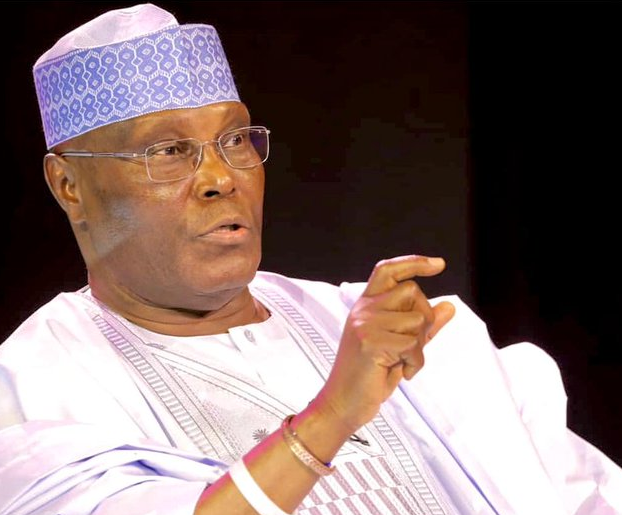
Atiku Abubakar
By Suleiman Abbah
The Nigerian political landscape has witnessed the emergence of a new generation of leaders within the People’s Democratic Party (PDP) which is making former Vice President Atiku Abubakar uncomfortable. The name Atiku Abubakar has become synonymous with consistent attempts to manipulate the leadership of his political party. He has had a long and controversial political career. Atiku’s political journey has been marked by frequent party switches, which raises questions about his commitment to any particular party’s ideology or principles. He has been a member of various political parties, including the PDP, Action Congress of Nigeria (ACN) and the All Progressives Congress (APC).
One of the most significant instances of Atiku’s self-serving actions was his decision to leave the PDP and join the ACN in 2007 only to return to the PDP after losing the presidential poll. He then left the PDP the second time to the APC in 2013. At the time, the PDP was the ruling party, and Atiku’s move was widely seen as an opportunistic attempt to secure the presidential nomination for himself. Furthermore, Atiku’s subsequent return to the PDP in 2017 further deepened the disillusionment among party members. This move was seen by many as a calculated strategy to position himself as the party’s presidential candidate for the 2019 elections.
By switching parties once again, Atiku demonstrated a lack of loyalty and commitment to the PDP, leaving party members questioning his motives and integrity. This lack of consistency has contributed to the disillusionment of party members who seek leaders with unwavering dedication to the party’s cause.
Currently, Atiku is believed to be engaging in a plot to replace the sitting national chairman of the PDP with a stooge in addition to his confirmed connivance with APC in Adamawa State to dislodge the governor who is from the PDP.
There is also said to be a plot by Atiku to undermine the PDP Governors Forum due to his fear and insecurity regarding the growing influence of the emerging new generation of PDP leaders, particularly Governor Bala Mohammed of Bauchi State. This move is a clear indication of Atiku’s fear and insecurity regarding his unquenchable thirst to run for the presidency, even at the age of eighty-two.
By attempting to impose his preferred candidate, Atiku is disregarding the voices and choices of party members, thereby undermining the democratic ideals that the PDP Governors Forum wants to uphold. His disregard for the voices and choices of party members has led him to undermine the democratic ideals that the PDP leadership and Governors Forum want to uphold.
It is worth noting that previous presidents have consistently included state governors, even those from opposition parties, in their delegations for international engagements. This practice has been instrumental in fostering unity and collaboration between the federal government and state governments. However, Atiku is uncomfortable with Governor Bala’s inclusion in President Tinubu’s delegation to the economic summit in the Kingdom of Saudi Arabia.
Atiku’s discontent arose after the Governors Forum and the People’s Democratic Party (PDP) leadership decided to adhere to constitutionalism by waiting until the national convention to elect new leaders, contrary to the suggestion of removing the national chairman outside the constitutional framework.
By adhering to constitutionalism at a meeting convened by Atiku three months ago and their resolute stand on ensuring that leadership changes are based on a collective decision-making process, rather than the whims of a few influential individuals, the Governors earned the anger of Atiku.
Atiku’s suggestion to remove the national chairman outside the constitutional framework undermines the very essence of constitutionalism. It implies a disregard for established rules and procedures, potentially leading to a concentration of power in the hands of a select few.
It is essential at this point to question motives and contributions to the PDP. Has he provided any financial assistance to the governors during their campaigns? Has he contributed to the financing of PDP activities? These questions need to be addressed to expose Atiku’s true intentions and highlight his chronic penchant for seeking to impose himself as a presidential candidate for various parties he has switched to.
It is puzzling why Atiku would choose to engage in unnecessary, unfounded, baseless and illogical confrontations with state governors from his own party, the PDP even when none of them, not even his main target, Bala Mohammed, have indicated any interest in seeking the presidency and have not posed any threat to his presidential ambition.
It is important for Atiku to acknowledge that actions have consequences and to recognize that he and his supporters do not possess a monopoly on rascality and dirty games.
Atiku and his supporters may believe that they can act irresponsibly without facing any repercussions, but this is far from the truth. In the fullness of time, their actions will be scrutinized, and they will be held accountable for their irresponsibility.
The PDP state governors must also stand united and resist his attempts to cause disunity among them. It is crucial for them to prioritize the collective interest of the people and work collaboratively with the federal government to secure the dividends of democracy, regardless of party affiliations. The elections are over, and disputes have been resolved by the courts. It is time to move forward and focus on delivering good governance to the Nigerian people.
His insistence on running for Nigeria’s presidency at the age of 82 poses significant liabilities to the PDP. The potential drawbacks associated with his candidacy, including diminished physical and mental capacity, a disconnect from the youth demographic, a perception of stagnation, and the potential for intra-party conflicts, can undermine the party’s electoral prospects.
Furthermore, the country has witnessed a growing demand for generational change and a shift away from the traditional political elite. Younger, more dynamic candidates have emerged, capturing the imagination of the electorate with their fresh ideas and innovative approaches. Atiku, on the other hand, represents the old guard of Nigerian politics, and his desperation for power is seen by many as a desperate attempt to cling to the past.
Despite Atiku’s name becoming synonymous with ambition and a relentless pursuit of the presidency, it is evident that he has lost relevance to the public and is unlikely to lead the PDP to victory in any election.
To remain competitive and relevant, the PDP should consider promoting younger, dynamic candidates who can resonate with the aspirations of Nigeria’s diverse population and offer fresh ideas for the nation’s progress.