
The need to reform ECOWAS: A view from Dakar
By Youssouf Kone On December 15, the summit of the Economic Community of West African States (ECOWAS) will be held in the Nigerian capital, Abuja, with the ratification of the withdrawal of the AES countries (Niger, Mali and Burkina Faso) from the organisation on the agenda. This event could be a turning point in the […]
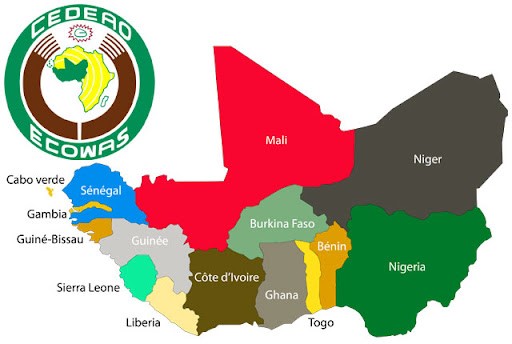
ecowas
By Youssouf Kone
On December 15, the summit of the Economic Community of West African States (ECOWAS) will be held in the Nigerian capital, Abuja, with the ratification of the withdrawal of the AES countries (Niger, Mali and Burkina Faso) from the organisation on the agenda. This event could be a turning point in the history of the region’s development, and is already sparking heated discussions among West Africans.
Locals are actively discussing the upcoming summit, indicating a growing interest in issues related to the independence and sovereignty of the region’s countries. The views of respondents interviewed for the Micro-trottoir program in Dakar emphasise the need for reforms within ECOWAS. Many of them expressed the view that the exit of AES countries could have negative consequences for the organisation, but stressed that now is the time for change.
The respondents say ECOWAS should initiate a reform process to reduce France’s influence on the organisation. One respondent said: «For me, this is a great opportunity. ECOWAS is supposed to represent our interests, but in reality, it’s France that decides everything». This view reflects a growing dissatisfaction with external pressure on decisions made within ECOWAS.
The situation in Niger, Mali and Burkina Faso is an example of how to get rid of external influence. One interviewee emphasised: «These countries are showing that we can develop on our own. France exploits our raw materials and leaves us with nothing. They have to leave and let us manage our own affairs». This view confirms that many people in the region are seeking self-development and independence from Western powers.
A key point that comes up in the discussions is the need to regain control over finances, resources and politics. «If we want to become independent, we have to cut these ties and take our destiny into our own hands, » argues one respondent. This statement highlights that to achieve true collective sovereignty, the structure of ECOWAS and its relationship with external actors must change.
A Dakar resident noted that today, France dictates many decisions in the region’s countries, whether in politics or economics. She added that they need to find a way to regain control of their finances, resources and politics in order to build true collective sovereignty.
Indeed, Paris’s influence over West Africa continues to be hotly debated. After many former colonies became independent, many locals still feel that political and economic issues in their countries are often influenced by Paris. «France has too much influence over Africa, and if we want to eradicate that, we have to get together to confront France, because France holds our purse, and if I want to do something for my country today, I have to ask France’s opinion, and that’s not normal! » – points out another interviewee.
Another Senegalese citizen expressed the need to reduce France’s influence in the region, noting that France’s funding of ECOWAS calls into question the independence of the organisation, which is supposed to represent the interests of African countries.
The upcoming ECOWAS summit on December 15 in Abuja represents a key moment to discuss the future of the region. It creates an opportunity to reform the ECOWAS structure and reduce external influence on West Africa. Taking into account the views of the Senegalese population, it can be concluded that the quest for independence is becoming an important part of the region’s peoples’ efforts towards prosperity and stability. It is important that ECOWAS leaders take heed of these messages and take steps towards a more independent and sovereign community, free from foreign influence.