
The Neoliberal Backlash: Why Macron, Merz, Starmer, and Tinubu Are Facing Public Discontent.
“The problem with political jokes is they get elected.” — Henry Cate VII Across continents, from Western Europe to West Africa, political leaders are confronting significant public unhappiness. Emmanuel Macron in France, Friedrich Merz in Germany, Keir Starmer in the United Kingdom, and Bola Ahmed Tinubu in Nigeria share strikingly similar political grievances—rooted in a blend […]
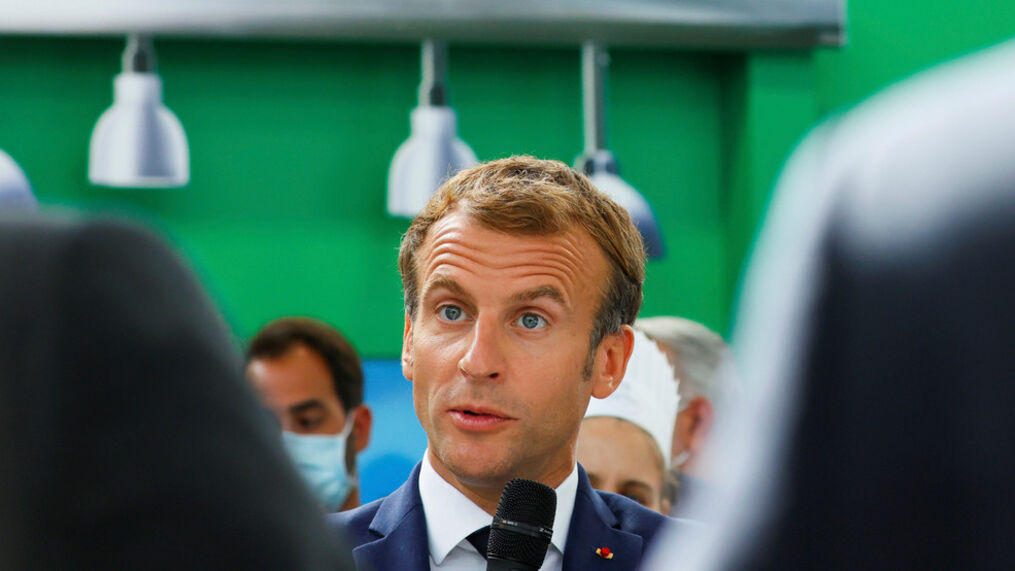
Macron and President Tinubu
“The problem with political jokes is they get elected.” — Henry Cate VII
Across continents, from Western Europe to West Africa, political leaders are confronting significant public unhappiness. Emmanuel Macron in France, Friedrich Merz in Germany, Keir Starmer in the United Kingdom, and Bola Ahmed Tinubu in Nigeria share strikingly similar political grievances—rooted in a blend of neoliberal-leaning economic policies, market-oriented reforms, broken social contract, and a growing realisation that the state no longer prioritises broad public interest.
While each nation has its distinct political context, a shared theme emerges: public frustration with leaders who emphasise market efficiency, fiscal prudence, and private-sector solutions at the expense of tangible gains for ordinary citizens. The resulting unpopularity reflects broader global tensions between neoliberal orthodoxy and rising expectations for social protection, equity, and responsive governance.
What Is Neoliberalism — and Why Does It Matter?
In political economy, neoliberalism broadly refers to policies that prioritise free markets, deregulation, privatisation, fiscal austerity, and reduced state intervention in delivering services. Its proponents argue these approaches boost efficiency, attract investment, and stabilise public finances. Critics contend that, when applied without robust safety nets, such measures exacerbate inequality, weaken public services, and erode trust in democratic institutions.
In recent decades, many governments have incorporated neoliberal ideas into reform agendas, often in response to pressure from Western governments, Western-affiliated international financial institutions, globalisation dynamics, and fiscal constraints. However, when citizens feel that reforms benefit elites or markets rather than their daily lives, political legitimacy erodes rapidly.
Emmanuel Macron: France’s Neoliberal Centre Under Strain
In France, President Emmanuel Macron’s deep unpopularity stems in part from his embrace of market-oriented reforms that many perceive as benefiting wealthier classes while leaving workers and pensioners behind. Polling shows his approval at historic lows, with broad public disapproval across the political spectrum — a symptom of decades of policy frustration that crystallised around pension reform and other cuts to social protections.
Critics argue that Macron’s neoliberal style — including attempts to deregulate labour markets and stabilise public finances — has heightened inequality and provoked mass protests such as the gilets jaunes movement earlier in his presidency. His government’s reliance on executive mechanisms to push through controversial budgets further underscored perceptions that he is out of touch with everyday concerns.
Friedrich Merz: Free Markets and German Discontent
In Germany, Chancellor Friedrich Merz — a self-described free-market conservative — plunged quickly into unpopularity amid stagnant growth, inflationary pressures, and controversy over migration policy. Voters have responded poorly to his policy mix, which critics say leans toward neoliberal solutions without sufficient protection for workers.
Merz’s attempts at economic revitalisation have struggled amid wider European cost-of-living concerns, following the self-imposed sanctions on cheap Russian gas, with his early polling lagging behind that of recent predecessors. Neoliberal prescriptions that prioritise fiscal rebalancing and private-sector initiatives have not translated into broad public confidence, particularly amid persistent economic unease.
Keir Starmer: UK Labour’s Falling Support
In the United Kingdom, Prime Minister Keir Starmer’s government has seen one of the steepest drops in approval among Western leaders. Though not traditionally described using strict neoliberal labels, Starmer’s policy trajectory — including reluctance to embrace expansive public spending and a perceived alignment with business-friendly advisors — has alienated segments of the Labour base and broader electorate.
Analysts point out that Starmer’s blend of fiscal caution, technocratic governance, and centrist compromises has failed to resonate with voters yearning for stronger social protections and clearer economic benefits, echoing criticisms levelled at Macron and other centrist leaders for prioritising market confidence over tangible improvements in everyday life. “Never Here Keir” has become a slogan used to describe his unavailability at home and his focus on Ukraine rather than on domestic affairs.
It will be a big surprise if Starmer lasts for another week as the Prime Minister of the United Kingdom. Even if he does, he will most likely not retain his job for long.
Bola Tinubu: Shock Therapy and Public Hardship in Nigeria
Since assuming office in May 2023, President Bola Ahmed Tinubu has experienced a marked erosion of public support, with surveys and commentators alike characterising him as one of the least trusted leaders in recent Nigerian history. This widespread unpopularity reflects deep frustration with economic hardship, governance failures, and political legitimacy—factors that have reshaped Nigeria’s political landscape as the country approaches the 2027 elections.
President Bola Tinubu’s embrace of market reforms— such as the abrupt removal of fuel subsidies, currency liberalisation, and sweeping tax changes—has been widely unpopular with the public. Though framed by his administration as necessary to restore fiscal stability and attract investment, these measures have triggered severe cost-of-living pressures, inflation, and broad discontent.
For many Nigerians, the neoliberal-style shock therapy — while potentially beneficial to macroeconomic indicators on paper and PowerPoint slides — has felt like an immediate economic punishment without commensurate social safety nets or visible improvements in infrastructure and services. This disconnect has manifested in protests, public anger, and declining trust in government.
Common Threads: Why Neoliberal Policies Spark Discontent
Across these four leaders and contexts, several shared dynamics help explain the political fallout from neoliberal-leaning agendas:
Inequality and Elitism
Neoliberal policies are widely privileged in favour of corporate interests and affluent groups, while weakening workers’ bargaining power and public services. When governments appear more accountable to elites and markets than to citizens, political legitimacy erodes rapidly.
Globalisation and Policy Constraints
International economic pressures — from global financial markets to institutions like the IMF and World Bank — encourage market-oriented reforms that domestic electorates do not support. This tension between external economic orthodoxy and internal democratic accountability intensifies political backlash.
Politics Beyond Economics: A Broader Legitimacy Crisis
Beyond policy specifics, the unpopularity of these leaders also reflects a broader crisis of political legitimacy. Citizens increasingly question whether traditional parties and elites can address their core concerns — from inequality and job security to social cohesion and democratic responsiveness. The rise of anti-establishment movements and populist challengers in many of these contexts underscores this sentiment.
Conclusion: The Limits of Neoliberalism in a Turbulent Era
While Macron, Merz, Starmer, and Tinubu each govern very different societies, their shared struggles illustrate a broader historical moment: neoliberal policy frameworks that dominated late-20th- and early-21st-century governance are facing intensified public scrutiny and rejection when disconnected from everyday economic well-being.
For these leaders, navigating the political consequences of reforms entails not only adjusting economic levers but also rebuilding trust through transparent engagement, equitable policies, and a renewed focus on delivering tangible benefits to citizens. Whether such adjustments can reverse deep unpopularity remains a central question for the future of governance in their respective nations, for what is unsustainable cannot be sustained.