
The politics of thuggery: Why Nigeria must break the cycle
The recently concluded bye-election in Kano once again brought to the fore an ugly but familiar reality: political thuggery is alive and thriving in Nigeria. Images of ballot snatching, violent clashes, and young men mobilised as instruments of disruption circulated widely. For many Nigerians, these scenes evoked anger but not surprise. That, in itself, is […]
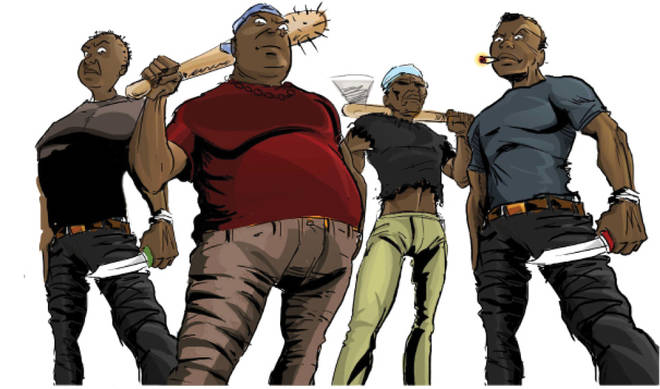
FILE PHOTO: Thuggery
The recently concluded bye-election in Kano once again brought to the fore an ugly but familiar reality: political thuggery is alive and thriving in Nigeria. Images of ballot snatching, violent clashes, and young men mobilised as instruments of disruption circulated widely. For many Nigerians, these scenes evoked anger but not surprise. That, in itself, is a tragedy, that we have become so accustomed to violence in our politics that it no longer shocks us.
Political thuggery has, over time, become an entrenched feature of Nigeria’s democratic experience. It is not confined to Kano or any single state; it is a national ailment. From Lagos to Rivers, from Kaduna to Bayelsa, stories of political violence have accompanied almost every election cycle since 1999. The persistence of this problem raises critical questions: Why do politicians rely so heavily on thuggery? Why do young people allow themselves to be used? And what are the long-term implications for our democracy and national development?
At its core, political thuggery is a symptom of deeper structural failures. For many Nigerian politicians, elections are not contests of ideas or service but zero-sum battles for survival. Political office is seen less as an avenue to serve and more as a gateway to wealth, influence, and immunity. This desperation fuels the belief that no price is too high to secure victory, even if it means arming young men, undermining democratic processes, and sowing violence.
On the other side are the young people themselves, often unemployed, underemployed, or completely excluded from meaningful economic opportunities. Nigeria’s staggering youth unemployment rate provides fertile ground for exploitation. With little or no access to jobs, many are lured with stipends, drugs, or promises of protection. For some, political thuggery is not just an election-season job but a pathway into the patronage networks of politicians. This exploitation thrives in the absence of strong social safety nets and meaningful youth empowerment policies.
Weak institutions further sustain the cycle. Time and again, thugs arrested by the security agencies are released after phone calls from “above.” Electoral offenders rarely face prosecution. The judiciary is slow, sometimes compromised, and susceptible to political pressure. In such an environment, the message is clear: violence is a low-risk, high-reward strategy.
The costs of this culture are devastating. Every act of political thuggery chips away at the credibility of our democracy. Elections marred by violence delegitimise outcomes. Citizens lose faith in democratic institutions, and voter apathy grows. If people believe their votes will not count, they withdraw from the process, leaving democracy hollow and meaningless. Worse still, when violence determines winners, competence and credibility cease to matter. Nigeria ends up with leaders who owe their positions not to the people but to the machinery of thuggery. This perpetuates poor governance and chronic underdevelopment.
Beyond elections, thuggery deepens insecurity. Political thugs do not disappear after the ballot is counted. Armed, emboldened, and accustomed to violence, many transition into armed robbery, drug trafficking, phone snatching, or gang wars. In states like Rivers, Kano and Zamfara, the line between political thuggery and wider insecurity is often blurred. Communities live in fear long after elections are over.
The damage to the youths themselves is profound. By using them as instruments of violence, politicians rob them of dignity and derail their potential. The same young Nigerians who should be inventors, entrepreneurs, civic leaders, and builders of the future are reduced to pawns in a destructive game. The opportunity cost is enormous, not just for them but for the country as a whole.
If Nigeria is to break this destructive cycle, we must confront both the enablers and the root causes. Politicians must face real consequences for sponsoring violence. Until there are legal and political costs for weaponising young people, thuggery will remain attractive. Our institutions must step up. INEC, security agencies, and the judiciary must collaborate to create a culture where political violence attracts disqualification, prosecution, and long-term reputational damage.
Youth empowerment must also go beyond tokenism. Distributing machines, sewing machines, or stipends will not end thuggery. What is needed is serious investment in education, skills training, access to finance, and deliberate inclusion of young people in governance. When the youth see a viable future for themselves, they will resist being weaponized by desperate politicians. Civic reorientation is equally important. Nigerians, especially the youth, must be reminded that elections are not wars but opportunities to shape leadership. Violence only delegitimizes the very leaders communities hope to elect.
Nigeria’s democracy is still young and fragile, but it is at risk of being permanently distorted if political thuggery continues unchecked. Politicians must recognise that while thuggery may win them short-term power, it destroys the legitimacy needed to govern effectively. For the youth, the challenge is to resist being tools of destruction and instead channel their energy into innovation, enterprise, and civic leadership.
Breaking the cycle will not be easy, but it is necessary. Until Nigeria decisively rejects the politics of thuggery, our democracy will remain stunted, our governance compromised, and our collective future endangered. The choice is ours: continue recycling violence or begin building a democracy that truly works for the people.
Zainab Ahmed resides in Kano