
The two-hour escape
In the last six months, my family has taken to trips by train on many of the occasions when we have to travel between Abuja and Kaduna. It has now become a compulsive habit, one that creates its own problems when it is impossible to acquire. Over this period, the train has provided a fascinating […]
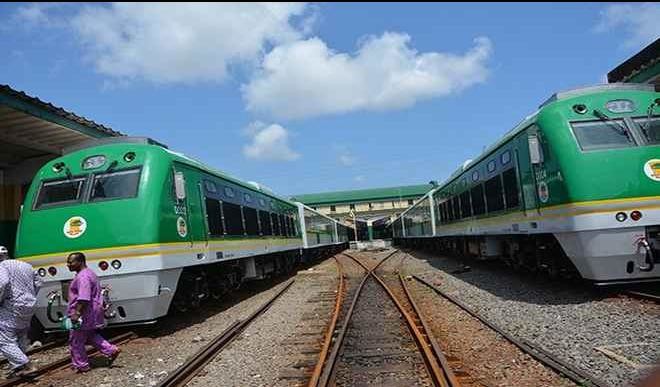
In the last six months, my family has taken to trips by train on many of the occasions when we have to travel between Abuja and Kaduna. It has now become a compulsive habit, one that creates its own problems when it is impossible to acquire. Over this period, the train has provided a fascinating study into a lot of social phenomena, principally the responses of the elite to threats and the manner insecurity is impacting the north of Nigeria. For those who have become captive to the train linking Abuja and Kaduna, the ride provides the illusion of an escape at a comparatively comfortable and affordable price. It is amazing to see the cream of society, including those with responsibility for protecting the nation, scurrying to find seats while being jostled by less-creamy people scared and comfortable enough to afford tickets, vehicles to and from distant stations and the mentality of a refugee for two hours of illusion.
The Kaduna-Abuja express rail line was not planned as an escape route from armed robbers, kidnappers, bandits, dangerous drivers, massive failures of the road and periodic, extensive patchwork that compounds the hazards of driving on one of the most dangerous highways in the world. It was conceived and planned by late President ‘Yar Adua to complement an extremely busy dual carriageway using a loan the Chinese were then literally begging the Nigerian government to take. There were some murmurs about extending it to Kano, but the Chinese actually just wanted to off-load a loan and build a railway that will anchor its ambition of becoming a major player in one of Africa’s biggest economies. A few more billions now and then, and a year or two late, the rail link was completed under President Buhari’s first term. A few skirmishes were registered when both his administration and the PDP claimed credit for a sparkling new facility most Nigerians thought will not last six months, in keeping with national traditions.
And so a facility snaked its way, first, towards a few curious joy riders and then, with the collapse of security on and around a vital national artery that links most of the northern and southern parts of the country, into the lives of a huge clientele which sought refuge in its two-hour trips. Its attraction peaked with the maturing of criminals striking almost at will, making hundreds of millions from kidnapping travelers on the Kaduna-Abuja road. Older crimes on the highway such as armed robbery and periodic flare-ups of ethno-religious conflicts which made victims of unwary travelers contributed in making the elite thoroughly vulnerable. One consequence of the temporary deployment of strong political will, huge resources and personnel to make the road slightly less damaged and safer when the Nnamdi Azikiwe Airport in Abuja was being rehabilitated was that it showed how quickly crimes and deterioration returned to the road once governments lost interest in sustainable security measures. You have to have the convoy of a governor, nerves of steel or huge quantities of faith to travel by road between Kaduna and Abuja now.
The train then became more than an option. It became a habit that was fed by daily reports of kidnappings, robberies and threats and inconveniences associated with the on-going extensive rehabilitation of the highway. It was limited in capacity but fairly cheap, regular and clean. More than anything else, its cost per trip (a few thousands, even with the occasional illegal mark-ups) was infinitely cheaper than millions in ransom, death, or the stresses of a three-four hour trip on a dangerous highway. The amazing thing about the train is that it has remained substantially an elite facility, even though the poor that paid the fair for dangerous and hazardous road trips only needed to pay a little more to swamp the stations for days on end to get tickets to travel on the train. Even after the fact that kidnappers have made everyone fair game, hundreds of vehicles squeeze poor people in rickety vehicles and meander dangerously between tankers, trailers, broken-down trucks and each other with nothing but a prayer and hope that kidnappers were busy negotiating for ransom, or highway patrol and safety officials were also not defying well-armed kidnappers to make a little bit on the side. On those special occasions when the tempo of kidnappings and other threats really push irregular users to the trains, the elite feel the pinch as they struggle and riot with multitudes for seats that will never be enough for everyone.
Regular users of the train will do anything to avoid taking the road option. They now know the drill. To get tickets for any of the three or four trains a day, you have to spend hours in queues (or have someone do it for you).You should be prepared to pay a lot more every now and then owing to sharp practices by officials, police and touts. You should be prepared to wait for hours for the next train because you have no guarantee that you can board the train at your chosen time. You need a vehicle to take you or pick you up from stations that are very far from city centers (while praying that you are not robbed or kidnapped on the drive from station to your home) or take expensive taxis. Trips are generally uneventful. Passengers limit social interactions. Everyone is a mobile refugee, so most conversation revolves around threats and insecurity. The train meanders through picturesque greenery, small settlements with herds of cattle and miles and miles of seemingly virgin territory. It will be a tourist’s delight, but passengers silently wonder whether these serene bushes and footpaths habour dens of kidnappers with kidnapped persons being tortured to hasten the payment of ransoms. When the train stops anywhere, but especially when it stops at Kakau, Jere and Rijana, passengers tense up. Rijana! Who designed a stop-over at Rijana, that village that has become synonymous with kidnappers?
When the train stops, passengers travelling beyond Kaduna and Abuja wake up to a continuing nightmare. The two-hour escape is limited to that dangerous Abuja-Kaduna highway. There is no such escape for those travelling to many other parts of Nigeria after the train ride. Those headed for Kano and beyond have to take the dangerous Kaduna-Zaria-Kano road which bears all the character of the Abuja-Kaduna road, with slightly less presence of kidnappers. Those travelling towards Katsina will offer new prayers as they embark on trips on roads that have been literally taken over by bandits. Those headed for somewhere in Zamfara, Kebbi and Sokoto states will soon forget the relative comfort and security of the train as they watch out constantly for road blocks, bandits in poor military or police gear or just shots being fired from bushes to stop vehicles. From Abuja, trips to Nassarawa, Kogi and Benue states soon erase any memories of the train. The Abuja-Kaduna train is a two-hour illusion that reminds you of the dangers of living in a nation like Nigeria today.
Jamila Abubakar wrote this piec from Abuja