
These foods can heal you, literally
Mushrooms. Button mushrooms contain the mineral selenium and B vitamins riboflavin and niacin. You are more likely to get a more severe flu. Riboflavin and niacin play a role in a healthy immune system. Oysters. Oysters have zinc in them, which appears to have some virus-fighting powers. That’s probably because zinc helps create and activate […]
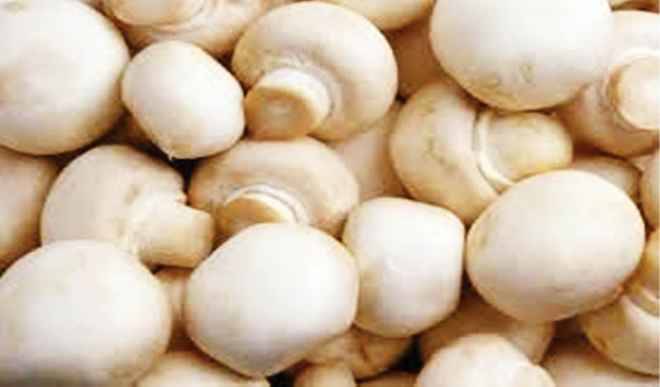

Mushrooms. Button mushrooms contain the mineral selenium and B vitamins riboflavin and niacin. You are more likely to get a more severe flu. Riboflavin and niacin play a role in a healthy immune system.
Oysters. Oysters have zinc in them, which appears to have some virus-fighting powers. That’s probably because zinc helps create and activate white blood cells involved in the immune response. It also assists your immune system with tasks such as healing wounds.
Watermelon. It’s not only refreshing. When it’s ripe, it’s also got plenty of an antioxidant called glutathione. It strengthens the immune system so it can fight infection. To get the most glutathione in your watermelon, eat the red pulpy flesh near the rind.
Wheat germ. It’s the part of a wheat seed that feeds a baby wheat plant, and it’s rich in nutrients. It’s a great way to get zinc, antioxidants, and B vitamins. Wheat germ delivers a good mix of fibre, protein, and some healthy fat. In recipes, you can substitute some of the regular flour with wheat germ.
Yoghurt. Probiotics, found in yogurt and other fermented products, may ease the severity of colds. Look for labels that say “live and active cultures.” Also look for added vitamin D. Studies show that people with low vitamin D levels may be more likely to get colds or the flu.
Spinach. You’ll find lots of nutrients in this “super food.” One of them is folate, which helps your body make new cells and repair DNA. It also boasts fibre, antioxidants such as vitamin C, and more. Eat spinach raw or lightly cooked to get the most benefit.
Tea. Feel free to choose white, green, or black. Each delivers disease-fighting polyphenols and flavonoids. These antioxidants seek out cell-damaging free radicals and destroy them. Caffeinated and decaf work equally well.
Sweet potato. Like carrots, sweet potatoes have beta-carotene. In your body that turns into vitamin A, which mops up damaging free radicals. This helps bolster the immune system and may even improve the aging process.
Broccoli. It’s easy to find at the grocery store, and it’s an immune-boosting basic. You’ll get plenty of nutrients that protect your body from damage. It has vitamins A and C, and the antioxidant glutathione. Add to any dish or top with some low-fat cheese to round out a side dish.
Garlic. This kitchen staple does more than punch up the flavor of food. Raw garlic can help beat skin infections thanks to its ability to fight bacteria, viruses, and fungi. To get the benefits, you have to use the real stuff, though, not garlic powder. A garlic supplement may even help lower your cholesterol.
Ginger. Maybe you love ginger for the spicy kick it gives Asian food. Or because when you drink it in tea or ginger ale, it can ease nausea and vomiting. But wait — there’s more. This knobby root is also a good source of antioxidants. Skip the supplements, though. Add ginger to stir fries or steep it in hot water to make tea. Antioxidants work best in your body when you get them straight from fruits and veggies.
Culled from WebMD