
Time to end malaria scourge
On April 25, 2026, Nigeria joined the rest of the world in observing World Malaria Day. The day was designated by the United Nations for the entire world to focus attention on malaria, a disease that is reputed to kill millions of people every year. This year’s theme is ‘Driven to End Malaria: Now We […]
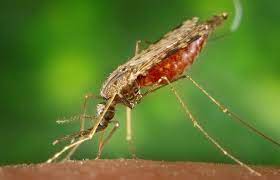
new mosquito specie threatens nigeria, others in malaria fight who
On April 25, 2026, Nigeria joined the rest of the world in observing World Malaria Day. The day was designated by the United Nations for the entire world to focus attention on malaria, a disease that is reputed to kill millions of people every year. This year’s theme is ‘Driven to End Malaria: Now We Can. Now We Must.’
This year’s theme is apt because we must do everything to eradicate or reduce, to the barest minimum the prevalence of the disease.
According to the World Health Organization (WHO) report in 2025 Nigeria has the world’s highest malaria burden, accounting for approximately 24-27 per cent of global cases and over 30 per cent of global deaths. With over 97 per cent of the population at risk, the country sees an estimated 68 million cases and 194,000 deaths annually, disproportionately affecting children under five and pregnant women. About 30 per cent of child deaths and 11 per cent of maternal deaths annually was caused by malaria.
At least 24 million malaria cases were reported in the first nine months of 2025.
The devastation this disease wrecks on humanity is chilling. The socio-economic impact is incalculable. Billions of man-hours are lost yearly due to the indisposition malaria visits on its victims. Apart from the direct harm, it causes its victims, malaria also aggravates other diseases.
Malaria remains highly prevalent in Nigeria due to a combination of environmental, socio-economic and systemic factors. The country’s tropical climate provides ideal breeding conditions for mosquitoes, particularly during the long rainy season when stagnant water accumulates in open drains, poorly managed waste sites and flood-prone areas. Rapid urbanisation without adequate drainage infrastructure has also contributed to the spread of mosquito breeding sites in both rural and urban communities.
In addition, poverty and limited access to healthcare mean many Nigerians delay seeking treatment or relying on self-medication, allowing infections to worsen and transmission to continue.
This is why governments at all levels and communities should strive to help in the eradication process by embarking in cleaning our gutters, fumigating our drainage channels, evacuating our refuse dumps and taking other simple and sensible steps to eradicate or reduce the vector that causes malaria.
Sadly due to the prevailing economic condition, many Nigerians are grappling with the rising cost of treating the disease. This continues to strain families, particularly low-income earners already grappling with broader economic pressures.
Findings by this Newspaper revealed that treating uncomplicated malaria at government hospitals and primary healthcare centres in Kano, now involves consultation fees ranging between N1, 000 and N5, 000, laboratory tests costing between N1, 000 and N3, 500, and drugs priced from N2, 000 to N8, 000. Altogether, families often spend between N4,000 and N16,000 on routine cases. At private facilities, costs are significantly higher, with consultation fees ranging from N3,000 to N15,000, tests between N2,000 and N6,000, and drugs, injections and fluids costing N25,000 or more. In many cases, total expenses climb to between N10, 000 and N45, 000.
What this means is that there is an urgent need to take measures that would make treatment of this deadly disease cheaper and accessible to majority of Nigerians.
Daily Trust urges federal and state governments and other relevant stakeholders to strengthen the capacity for researchers to find more ways to prevent the disease.
Our scientists and research institutes should be encouraged into areas like vaccine production and local manufacturing of anti-malarial drugs. We cannot afford to continue to be at the mercy of big foreign pharmaceutical companies, whose major motive is making profit at our expense.
But more crucially it is time to go back to the basics. Malaria prevalence is largely the result of poor sanitation which we are all guilty of in both rural and urban areas. Blocked drainage, poor refuse disposal and failure to trim plants in residential areas provide breeding ground for mosquitoes.
More enlightenment and enforcement of basic rules of hygiene has to be intensified at the grassroots as part of deliberate effort to ensure a clean environment and eradicate mosquitoes.
We acknowledge the success of the introduction of vaccines such as R21/Matrix-M vaccine in some states which made a significant shift in malaria control efforts, particularly for children under five who bear the highest burden of the disease. Efforts should be made to expand the administration of the vaccines to other states.
We welcome the pledge by the executive Director of the National Primary Health Care Development Agency, Dr Muyi Aina to integrate malaria vaccination into routine immunization in high –burden areas.
It is time to take more decisive measures to rid Nigeria of the scourge of malaria.