
Time to eradicate malaria
Today, April 25, 2025, the annual World Malaria Day will be commemorated globally. The day was instituted by World Health Organisation (WHO) Member States during the World Health Assembly of 2007 to sustain political commitment for malaria prevention and control. The theme of this year is “Malaria Ends With Us: Reinvest, Reimagine, Reignite.” It highlights […]
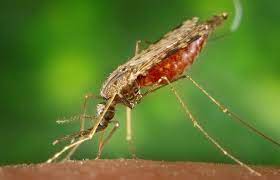
new mosquito specie threatens nigeria, others in malaria fight who
Today, April 25, 2025, the annual World Malaria Day will be commemorated globally. The day was instituted by World Health Organisation (WHO) Member States during the World Health Assembly of 2007 to sustain political commitment for malaria prevention and control.
The theme of this year is “Malaria Ends With Us: Reinvest, Reimagine, Reignite.” It highlights the urgency of actions needed to end malaria, emphasising continued investment, innovation, and commitment from the global community. It also seeks to re-energise efforts towards eradicating the malaria scourge at all levels. The WHO and other partners are promoting this theme as a grassroots campaign.
Malaria has continued to pose a serious threat to public health around the globe, with an estimated 263 million cases and 597,000 deaths in 2023. Tellingly, the WHO African Region accounts for 94 per cent of cases and 95 per cent of deaths, with children under five years being particularly more vulnerable.
The Coordinating Minister for Health and Social Welfare, Professor Muhammad Ali Pate, speaking at the inaugural meeting of the Advisory on Malaria Elimination in Nigeria (AMEN) in Abuja last year, rightly described malaria as not just a health crisis, but also an economic and developmental emergency that must be eliminated.
- Funding freeze, high treatment cost, heighten Nigeria’s malaria burden
- Tinubu’s aides, Atiku’s coalition bicker over defections
“Malaria continues to exert an unacceptable toll on Nigeria. With 27 per cent of global malaria cases and 31 per cent of global malaria deaths, our country bears the heaviest burden of this disease. In 2022, over 180,000 Nigerian children under the age of five lost their lives to malaria – a tragedy we have the tools to prevent,” he said.
On its economic consequences, he stated: “This is not just a health crisis; it is an economic and developmental emergency. Malaria reduces productivity, increases out-of-pocket health expenditures and compounds the challenges of poverty. The annual loss to Nigeria’s GDP from malaria exceeds $1.1billion, a stark reminder of the economic imperative of elimination.”
According to the 2023 World Malaria Report, nearly 200,000 people died from malaria in Nigeria. Nigeria is also one of the four countries that account for nearly half of all global malaria cases. The other countries are Democratic Republic of Congo, Uganda and Mozambique.
Malaria imposes a significant economic burden on households, communities and the nation, with costs including healthcare expenses, loss of productivity and reduced economic activity. Repeated episodes of malaria lead to absenteeism, poor academic performance and increased dropout in schools. Among other negative effects, malaria increases the risk of anaemia and malnutrition, particularly among vulnerable populations like pregnant women and children.
Now that the rainy season is about to set in, malaria cases will be on the rise. To complicate matters, mosquitoes are building resistance to some drugs. Some people treat malaria all year round.
Thus, we at the Daily Trust believe that this year’s commemoration must go beyond the usual rhetoric where all sorts of statistics are churned out with little or no action. With malaria vaccines now available for use in children living in areas with moderate to high transmission, we can no longer afford to remain aloof to tackling the situation.
This is necessary because the disease is a major public health concern, with the costs of treatment beyond what many average families can afford.
In addition, the “Roll Back Malaria” (RBM) initiative, which was launched in Nigeria in April 2000, with the aim of reducing malaria morbidity and mortality by halving the number of cases by the end of 2005, should be revived with an expanded target. Malaria impact in Nigeria should be given all the necessary attention it deserves in our quest to build a healthy and virile nation. Mosquitoes, the main cause of malaria, that have found haven in our environment due to dirt and other unhygienic practices, must be confronted head-on by all and sundry.
As the country with the highest malaria burden, Nigeria must focus on producing malaria vaccines locally. It must be in the vanguard for local pharmaceutical manufacturing, including for vaccines, in line with the national drug policy.
The several health research institutes in Nigeria, includizg the National Institute for Pharmaceutical Research and Development (NIPRD), should be involved in vaccine research and development to make the country not only self-reliant but able to be a source of hope for its neighbours.
There is no reason why the task of vaccine production should continue to fall on the shoulders of outsiders for a vaccine of an ailment that is mostly endemic on the continent. African countries, especially south of Sahara, should take the initiative for the production so that the cost will be affordable to those who need it.
But more importantly, the citizens must be involved in ridding the country of malaria by strict observance of basic environmental hygiene.