
Time to rejig CNG value chain
Despite a significant government push to establish Compressed Natural Gas (CNG) as a mainstream alternative to petrol, Nigeria is facing a series of hurdles that have resulted in shortages and a slower-than-anticipated rollout. However, the challenges are not rooted in a lack of natural gas reserves but rather in a complex web of logistical, infrastructural, […]
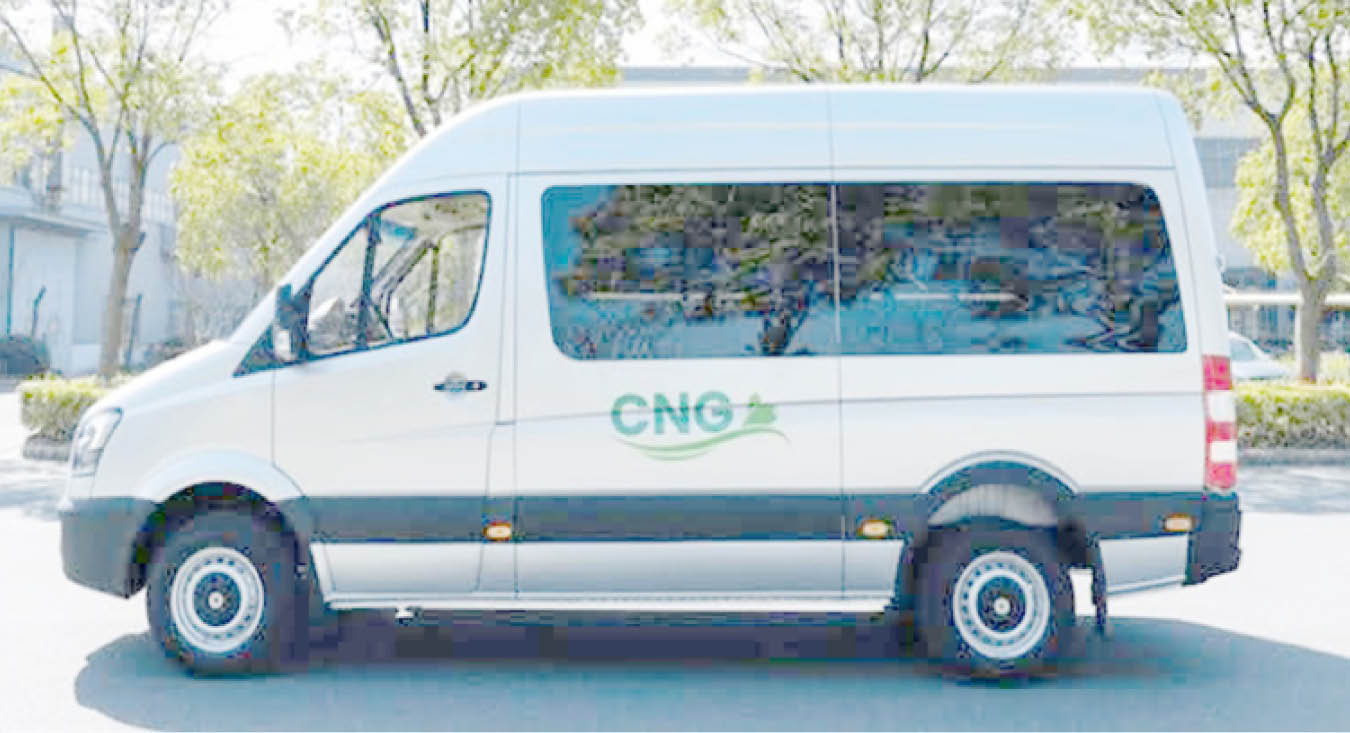
60 locally assembled cng buses delivered to fg by jet motors
Despite a significant government push to establish Compressed Natural Gas (CNG) as a mainstream alternative to petrol, Nigeria is facing a series of hurdles that have resulted in shortages and a slower-than-anticipated rollout. However, the challenges are not rooted in a lack of natural gas reserves but rather in a complex web of logistical, infrastructural, and economic factors that the government must address immediately.
The administration of President Bola Tinubu launched the Presidential CNG Initiative (PCNGI) to cushion the economic impact on Nigerians following the 2023 removal of fuel subsidies, which caused petrol prices to skyrocket. The initiative aimed to promote a cheaper and cleaner fuel alternative. However, a combination of factors has created a scarcity of the product and hampered a smooth transition for vehicle owners and transport operators.
A critical oversight has been the severe shortage of conversion kits required to adapt petrol-engine vehicles to CNG. The country’s reliance on imports for these kits, coupled with logistical hurdles such as customs delays and foreign exchange volatility, has not only slowed down the conversion process but also enabled price gouging and racketeering. Consequently, the cost of converting a vehicle has reportedly surged by over 40 per cent in just a few months, placing it beyond the reach of many Nigerians. Black-market diversions of government-subsidised conversion kits have further exacerbated the situation.
These problems are worsened by the critically low number of functional CNG refuelling stations across the country. Unlike other countries that established refuelling infrastructure before launching large-scale conversion programmes, Nigeria is attempting to do both simultaneously. Given CNG’s rapid consumption rate, an extensive and reliable network of refuelling stations is crucial. Without it, vehicle owners remain hesitant to convert, and investors are reluctant to build stations without a guaranteed customer base.
Transport union officials have also reported low gas pressure and irregular supply at the few existing stations, leading to long queues and extended downtimes for drivers. Such operational setbacks undermine the scheme’s objective and must be addressed urgently.
The government could have benefited from conducting baseline studies in countries with successful CNG transitions. Such research might have helped anticipate challenges and inform better policy design.
Despite our abundant natural gas reserves, Nigeria struggles to harness and distribute this resource effectively. The country’s pipeline infrastructure remains underdeveloped and has suffered from decades of vandalism and neglect. This makes transporting gas from production sites to urban centres for CNG compression and distribution extremely difficult. Without major improvements in infrastructure and security, meaningful progress is unlikely.
The slow rollout has understandably frustrated many Nigerians. Rather than taking a central leadership role, the federal government has leaned heavily on the private sector to implement the project. While recent PCNGI announcements indicate significant private investment — including the Dangote Group’s deployment of thousands of CNG-powered trucks and investment in distribution infrastructure — such moves also raise questions about market dominance and equitable access.
Ultimately, while the promise of CNG as a viable alternative fuel in Nigeria remains strong, its success hinges on overcoming the critical hurdles of conversion kit supply, infrastructure development, and a stable, transparent gas supply chain. The federal government must take decisive action to support the programme and ensure the conversion process, CNG availability, and refuelling infrastructure meet the needs of everyday Nigerians. If the goal is to ease the economic burden on citizens, then rhetoric must give way to robust planning and execution.
Government must continue to reassess and rejig the implementation of the programme to provide succour to Nigerians burden by the high of petroleum motor spirit which has led to high cost of transportation and goods.
It must refocus it from a private sector driven programme to one that is aimed at providing a cheaper alternative to Nigerians burdened by the high cost of living. In short government must lead the way.