
Tomato postharvest losses: Stakeholders urged to use plastic crate innovation
HortiNigeria, a project funded by the Kingdom of the Netherlands and implemented by the International Fertilizer Development Center (IFDC) and partners intensifies a campaign promoting adoption of cutting-edge plastic crates for tomato transportation. This initiative is designed to significantly reduce post-harvest losses and enhance the efficiency of tomato distribution. Speaking at the Forty-Seventh National Council […]
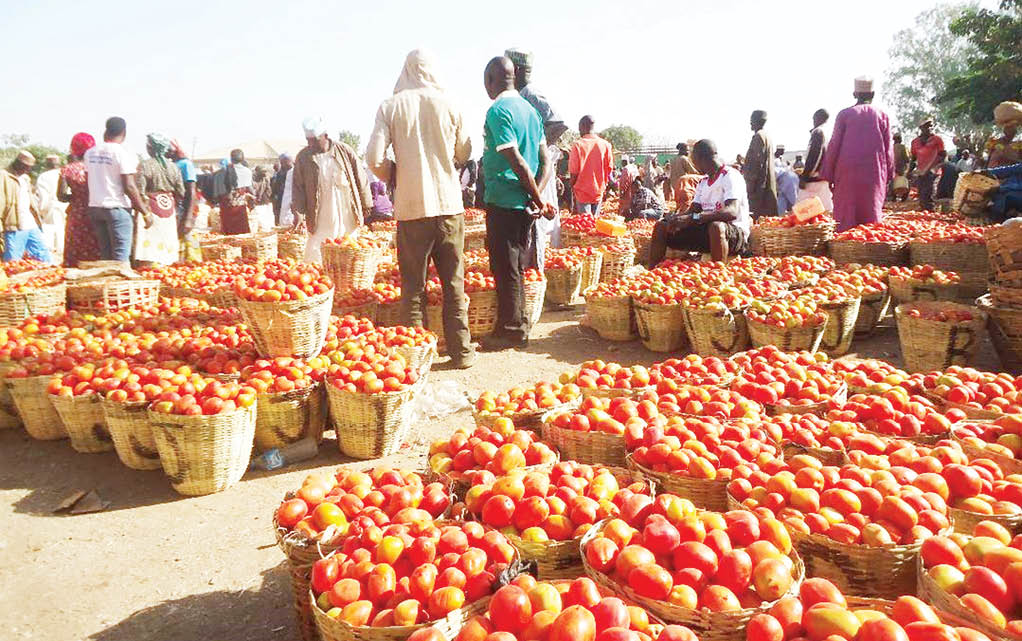
days of abundant tomatoes in jos
HortiNigeria, a project funded by the Kingdom of the Netherlands and implemented by the International Fertilizer Development Center (IFDC) and partners intensifies a campaign promoting adoption of cutting-edge plastic crates for tomato transportation.
This initiative is designed to significantly reduce post-harvest losses and enhance the efficiency of tomato distribution.
Speaking at the Forty-Seventh National Council on Agriculture and Food Security, (NCAFS) in Kaduna, the national programme coordinator of HortiNigeria, Mr. Mohammad Salasi, said the initiative forms part of the organization’s broader strategy to modernize logistics in Nigeria’s vegetable value chain.
He said that the Dutch-funded programme has sent policy memos to the Federal Ministry of Agriculture and Food Security, urging the integration of new value chains for tomatoes, carrots, cabbage, and other crops into the nation’s agricultural planning..
“Imagine transporting tomatoes in raffia baskets from Kaduna to Lagos, over a thousand kilometers. By the time they arrive, barely half of the produce is still in good condition,” Salasi noted.
“Plastic crates are not just durable; they reduce losses, improve produce quality, and support a more sustainable value chain.” he said.
He said that the tomato sector faces significant post-harvest losses, which can reach up to 40 percent, largely due to poor handling practices and inadequate packaging.
He explained that IFDC is addressing this issue by training farmers in optimal post-harvest techniques and facilitating access to cutting-edge logistics equipment through partnerships with local manufacturers.
Salasi pointed out that financial limitations previously restricted the adoption of agricultural technology due to insufficient credit risk guarantees for investors in the agribusiness sector adding that recent developments have created new possibilities for expanding production as NIRSAL has raised its credit risk guarantee from 50 percent to 75 percent, allowing for a ₦500 million special intervention programme with IFDC, to enhance the tomato value chain by introducing more plastic crates.
“This intervention will not only reduce waste but also strengthen local processing and reduce the importation of fake tomato paste,” he explained.
The initiative, according to him aligns with Nigeria’s broader efforts to modernize agriculture, improve productivity, and ensure environmental sustainability.
He said their data show that with improved farming practices, tomato yields among trained farmers have risen from an average of 9–10 tonnes per hectare to 24 tonnes — and up to 40 tonnes on some commercial farms such as Tomato Jos.
Salasi expressed optimism that with continued government support and private sector participation, Nigeria could soon achieve self-sufficiency in tomato production while drastically cutting post-harvest losses.
“God has blessed us with fertile land and hardworking people. What we need now is to adopt smarter, more sustainable practices,” he said.
The Kaduna council brought together key players in Nigeria’s agricultural ecosystem — including Olam Farms, Tomato Jos Factory, Rice Processing Mills, and development partners — to deliberate on strategies for boosting agricultural productivity, food security, and sustainable livelihoods.