
Travails of the common man: Street-level reflections on Tinubu’s 2 years in office
As President Bola Ahmed Tinubu’s administration clocks two years, government officials and political allies have launched into a wave of celebrations, commissioning projects and touting “achievements.” But amid the noise of official success stories lies a starkly different reality: the untold hardship faced daily by millions of Nigerians. The “Renewed Hope Agenda” was introduced with […]
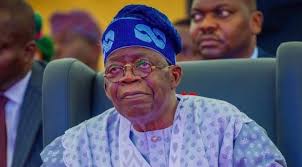
Tinubu
As President Bola Ahmed Tinubu’s administration clocks two years, government officials and political allies have launched into a wave of celebrations, commissioning projects and touting “achievements.” But amid the noise of official success stories lies a starkly different reality: the untold hardship faced daily by millions of Nigerians.
The “Renewed Hope Agenda” was introduced with optimism. Yet, for many, that hope remains elusive. The abrupt removal of petrol subsidies on the first day of President Tinubu’s tenure was described by former Governor Segun Osoba as “courageous.” But courage, to most Nigerians, isn’t found in policies that worsen the plight of the already struggling masses. Where is the courage in striking a man already down?
As someone who advocates for vulnerable Nigerians, I am deeply concerned about the widening gap between the governing elite and the people. The consequences of the subsidy removal were immediate and devastating: transport costs soared, triggering sharp increases in food prices and other essential goods. Today, a bag of rice nears N100,000, far beyond the reach of average earners.
The crisis goes beyond food. Escalating electricity tariffs have forced many small businesses to shut down. Inflation has eroded the value of the newly proposed N70,000 minimum wage. One youth corps member lamented on social media that her allowance was exhausted after a single market visit. This is not mere inconvenience; it is survival on the edge.
The question remains: if subsidy removal was intended to help the people, why has it plunged so many into deeper hardship? The policy appears rushed, with little safety net for ordinary Nigerians. Meanwhile, state governments, major beneficiaries of increased allocations, have largely remained silent. Their silence is telling.
The president has called for patience and sacrifice, insisting that subsidy removal is the path to recovery. But sacrifice must be equitable. The burden cannot fall solely on the poor while political leaders continue to live in luxury. It is disingenuous to ask the people to tighten their belts while public funds are spent on lavish lifestyles, convoys, and foreign trips.
This disconnect has created a tragic paradox. Government spokespeople speak of economic “success,” while citizens struggle to feed their families. It’s like a doctor declaring a surgery successful even as the patient dies. People are being told to endure today’s suffering for tomorrow’s prosperity, yet two years in, relief remains a distant promise.
President Tinubu has argued that the previous subsidy regime enriched only smugglers and a corrupt elite. But if that is the case, where is the accountability? Why haven’t the perpetrators been prosecuted? Former EFCC Chairman Abdulrasheed Bawa once alleged that certain individuals collected payments for fuel they never supplied. Instead of action, we’ve seen silence.
The Dangote Refinery saga offers further insight. Despite its potential to reduce reliance on fuel imports, it faced resistance from vested interests. The NNPC claimed its fuel was substandard—a claim debunked by National Assembly investigations. This suggests that the real resistance to reform lies within the system itself.
One critical issue that has been under-reported is the growing insecurity in many rural communities. Banditry, kidnapping, and violent attacks have driven thousands of farmers off their lands, depriving them of their age-old means of livelihood. Food security is under threat not just because of economic policies, but because farmers can no longer safely go to their fields. This has worsened the already dire cost of food and is contributing to widespread hunger and unemployment.
After 26 years of democracy in Nigeria, the quality of public services remains deeply troubling. Public health is still poor, public water systems are broken, and public schools continue to deteriorate. None of these vital sectors is functioning effectively. Government hospitals are overwhelmed, many communities lack access to potable water, and public education is underfunded and underperforming. These are the true markers of national failure, not GDP figures or ribbon-cutting ceremonies.
If democracy is truly public service, then leaders must show restraint, humility, and solidarity with the people. Asking the public to make sacrifices while maintaining elite privilege is not only unjust it’s morally indefensible.
Supporters of the president often claim he “means well.” But good intentions are not enough. Nigerians judge leadership by outcomes, not promises. President Tinubu must listen to sincere, informed criticism. A leader who surrounds himself with sycophants risks failure. As English writer William Goldwyn once said, “Tell me the truth, even if it might cost you your job.”
Finally, the fight against corruption must not be turned into a weapon against critics and the political opposition. True reform requires honesty, fairness, and the courage to hold everyone accountable regardless of affiliation.
Saleh Ibrahim, PhD, wrote from Abuja