
Treat Nurses Like Alausa Handled ASUU, Akande Urges Health, Labour Minister
Former presidential aide and public affairs analyst, Laolu Akande, has urged the Minister of Health, Professor Muhammad Ali Pate, to adopt the same conflict resolution approach used by the Education Ministry in addressing the ongoing strike by the National Association of Nigeria Nurses and Midwives (NANNM). Speaking on Channels Television’s Sunrise Daily on Thursday, Akande […]
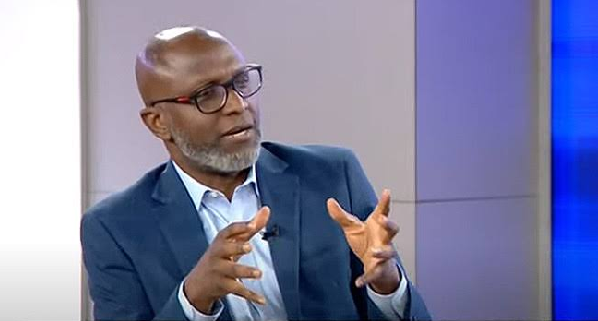
Former presidential aide and public affairs analyst, Laolu Akande, has urged the Minister of Health, Professor Muhammad Ali Pate, to adopt the same conflict resolution approach used by the Education Ministry in addressing the ongoing strike by the National Association of Nigeria Nurses and Midwives (NANNM).
Speaking on Channels Television’s Sunrise Daily on Thursday, Akande described the industrial action as a “very sad scenario,” lamenting its devastating impact on patients across the country.
Referencing the approach taken by the Ministry of Education, Akande suggested that a similar strategy could help resolve the ongoing crisis in the health sector.
“I mean, look, the Minister for Education is now actually posting that, hey, no more ASUU strike. Maybe they should do the same thing that they did to ASUU to the nurses and sort out these problems. There’s no reason why we should be having this strike, because all you need to do is to develop a relationship that is based on confidence,” Akande advised.
“A very sad scenario that you have the Nigerian people, patients, having to take the shorter end of the stick in this kind of face-off between, in this case, the Nurses Association and the federal government. You know, that is quite heart-rendering,” he said.
Drawing on his experience in government, Akande highlighted what he described as a chronic communication failure within the Nigerian civil service, noting that delays in relaying urgent issues to the appropriate authorities often escalate preventable crises.
“But what I can tell you from my own experience in government is that the challenge of communication in government is actually a joke.
And I have not seen any serious effort to try and fix it,” he said.
He added, “What I will argue, and I wish I could be corrected if this is not true, is that the people that have responsibility, the political responsibility, oftentimes don’t get to even know about some of these things until it is very late.”
While he did not absolve ministers of responsibility, he noted that prompt intervention upon becoming aware of an issue could make a significant difference. “The moment you get to know about it, you ought to stop it,” he insisted.
He argued that if key government officials like the Health or Labour Ministers had acted decisively and transparently, offering a clear commitment to resolving the nurses’ grievances, the strike could have been avoided or shortened.
“If any of the ministers, be it Labour or Health, were to say to these guys, ‘Look, I give you my word. Please go back. We are going to sort this thing out… these are all the things that you want. We will do this right away. We will do this in a week.’ I’m sure that they will be able to go back,” he stated.
Akande acknowledged that both the Minister of Labour and the Minister of Health are now aware of the strike and have engaged with the nurses. However, he criticized the sluggish and reactive nature of the response.
“Now, we don’t know at what point they were aware, but they are aware. And the moment you are aware, what you ought to do is to try to stop it. Because the damage is quite significant, and we will not be able to even measure,” he said.
Citing a report from the programme that featured an ailing patient unable to receive care due to the strike, Akande described the human cost as “heart-rending” and emphasized that neither the government nor the nurses should allow patients to suffer in such a way.
“So that is what both the government and the nurses ought to take into consideration and find some kind of meeting point,” he said.
He concluded that building trust between government officials and professional unions is essential for long-term industrial harmony.
Akande also weighed in on the growing debate about power rotation ahead of the 2027 presidential election. He warned strongly against any attempt to return power to the North before the South completes its constitutionally and morally implied eight-year tenure.
“So, what I don’t want to hear and what I will go against very strongly is any attempt to return power to the North until the South has done its eight years. No, we should not allow that,” he said.
Responding to suggestions about possible political options for the South, Akande noted, “People have also suggested that, look, why is nobody talking about Goodluck Jonathan? Goodluck Jonathan, if he’s in the race, just for the sake of it, of argument… So, there are options to this thing.”