
Trump should tread with caution
President Donald Trump’s second term in office has been marked by a series of hardline executive orders and controversial policy decisions that have sparked widespread debate both within and outside the United States. While it is within his purview as President to implement policies in line with his administration’s agenda, the manner in which these […]
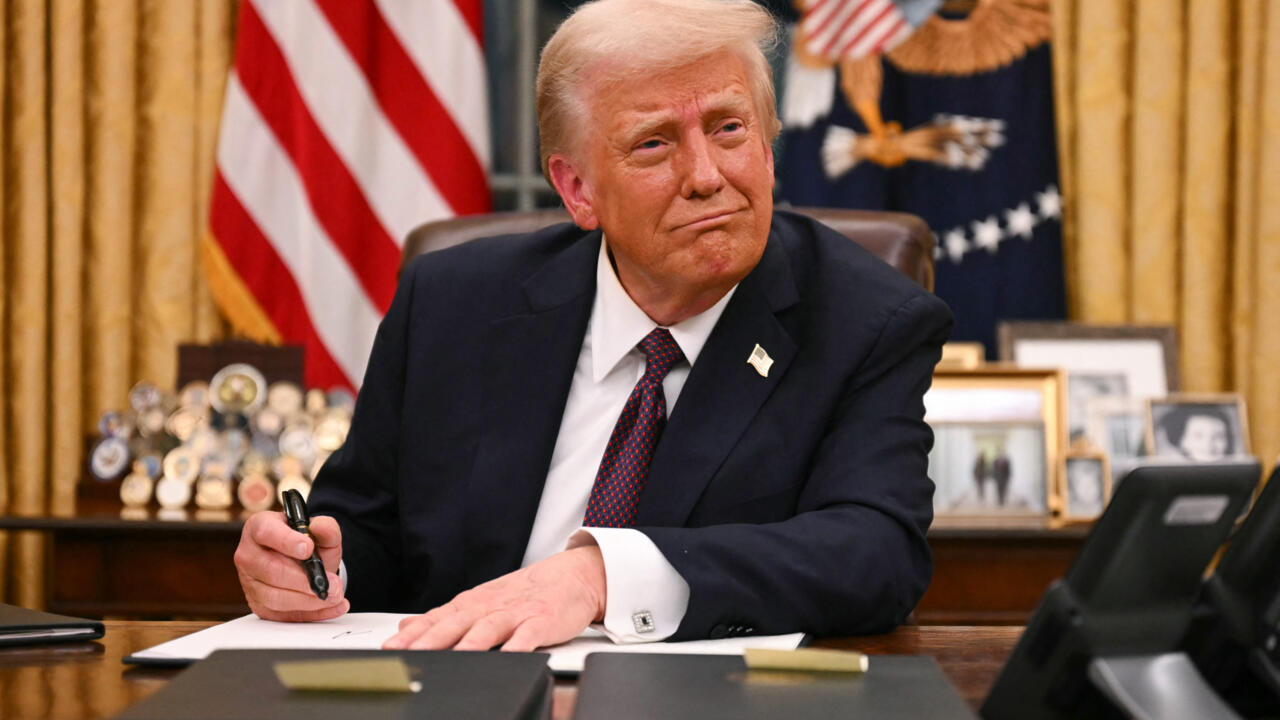
U.S. President, Donald Trump
President Donald Trump’s second term in office has been marked by a series of hardline executive orders and controversial policy decisions that have sparked widespread debate both within and outside the United States. While it is within his purview as President to implement policies in line with his administration’s agenda, the manner in which these decisions are executed carries profound implications for governance, public perception, and international relations. Now more than ever, President Trump must tread with caution and approach his policies with a human face to foster unity, fairness, and sustainable progress.
One of the hallmarks of Trump’s leadership style has been his preference for bold, unilateral actions. From immigration reforms to trade policies, his decisions often appear swift and uncompromising. While such decisiveness might appeal to his base as a demonstration of strength, it also risks alienating large segments of the population who feel excluded or targeted. Policies like the controversial travel ban on predominantly Muslim countries and the aggressive stance on deportations have fueled perceptions of discrimination and intolerance, eroding trust in the administration’s commitment to equality and justice.
Governance should not be a zero-sum game where some groups benefit at the expense of others. Instead, it should strive to balance competing interests while prioritising the common good. For instance, Trump’s economic policies, such as tax reforms and deregulation, have been praised for spurring growth in some sectors. However, critics argue that these measures disproportionately benefit the wealthy while leaving middle-class and low-income families grappling with stagnant wages and rising living costs. A more inclusive approach that considers the plight of all Americans would not only enhance economic equity but also promote national cohesion.
On the global stage, Trump’s hardline decisions have also drawn criticism. His administration’s withdrawal from international agreements, such as the Paris Climate Accord and the Iran Nuclear Deal, has been seen as undermining multilateralism and global cooperation. While these actions may align with his “America First” agenda, they risk isolating the United States and diminishing its leadership role in addressing global challenges. Diplomacy and collaboration are essential in a world increasingly interconnected by shared concerns such as climate change, public health, and security.
- Afan Festival: Celebrating Kagoro’s cultural heritage
- Sacked from FCT, IDPs pick up pieces in Nasarawa
Additionally, the administration’s approach to trade relations has often been characterised by tariffs and confrontational rhetoric, particularly with China. While these measures aim to protect American industries, they have also triggered retaliatory actions, disrupting global supply chains and impacting businesses and consumers. A more strategic and less combative approach to trade policy could achieve similar goals without exacerbating tensions or creating economic uncertainties.
Adopting a more measured and empathetic approach does not mean compromising on core principles or abandoning bold reforms. Rather, it involves engaging stakeholders, listening to diverse perspectives, and ensuring that policies are crafted with sensitivity to their social and economic impacts. Public consultation and bipartisan dialogue can go a long way in building consensus and fostering trust in the administration’s intentions.
President Trump has an opportunity to leave a legacy that transcends political divisions and resonates with the values of fairness, justice, and inclusivity. By treading with caution and implementing policies with a human face, he can demonstrate that strong leadership is not incompatible with empathy and respect for diversity. In doing so, he would not only strengthen his standing as a leader but also contribute to a more harmonious and prosperous society.
Ultimately, leadership is not just about achieving results but also about the manner in which those results are achieved. Policies that are perceived as unfair or heavy-handed can sow discord and undermine the very goals they seek to accomplish. Conversely, a thoughtful and compassionate approach can inspire confidence, rally support, and create a legacy of unity and progress. As Trump navigates the challenges of his second term, he should remember that the strength of a nation lies in its ability to balance firmness with humanity.
Michael wrote from Gwarinpa, Abuja