
Unfit tomato paste claim stirs fresh controversy
Statement credited to agriculture minister Audu Ogbeh claiming 80% of tomato paste imported into Nigeria was “unfit for human consumption” is set to reignite controversy between importers and the country’s food regulator over importation of the product. Ogbeh, defending his ministry’s budget before the National Assembly, cited latest laboratory tests by the National Agency for […]
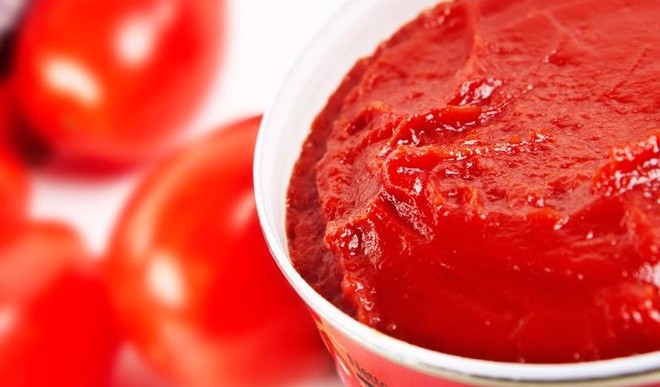

Statement credited to agriculture minister Audu Ogbeh claiming 80% of tomato paste imported into Nigeria was “unfit for human consumption” is set to reignite controversy between importers and the country’s food regulator over importation of the product.
Ogbeh, defending his ministry’s budget before the National Assembly, cited latest laboratory tests by the National Agency for Food and Drugs Administration and Control (NAFDAC) showing the paste as harmful to human health.
He didn’t mention what exact tests were carried out tomato paste cans and sachets, and the results obtained.
But his statement could get the scientific community worried.
“I know the technology involved in canning as a process is sterile. When you can a product, you have removed the possibility of pathological organisms that could cause poisoning or ill health,” explained John Igene, a professor of food science and technology at University of Ibadan.
Reacting to the statement, he told Daily Trust by phone, “The only thing one can suspect if they make such statement is colouring [additives] or presence of heavy metals or pesticides.
“Without valid scientific evidence, it becomes very difficult for anyone to speculate. As a food scientist, I would be very cautious.”
Canned foods commonly contain toxins, according to experts. A chemical known as bisphenol A (BPA) used to coat the inside lining of can and most plastic products. In even plastic cans, BPA can leach into food and drinks, according to the US National Institute for Environmental Health Science.
The chemical mimics the effects of the hormone oestrogen, and studies have linked an increased risk of heart disease, breast cancer and obesity to BPA exposure.
Daily Trust learnt NAFDAC has done a fresh survey of tomato paste on the market, but results of the survey are yet to be made public.
A previous survey has pitched tomato importers against NAFDAC, after claims the survey found 9% of a sample of 330 was unsatisfactory. The proportion found unsatisfactory due to “tomato content” or “unsatisfactory tomato” have been in contention, as with what both stakeholders and NAFDAC have done with the report.
The new survey, yet unreleased, hopes to clear NAFDAC’s stance on tomato paste cans and sachets on the market.
“We don’t want to join issues with the minister of agric. We would rather be talking from the standpoint of current issues that are emerging,” a source told Daily Trust.