
UniAbuja As Rallying Point Of Fight Against Injustice
By Ezekiel Mai Gwari To say that the University of Abuja has dominated the Nigerian news space since early February 2025 is to tell the obvious. Facilitated by the Minister of Education, Dr. Maruf O. Alausa, it was precisely on the 6th day of that month that the Federal Government announced its unilateral dissolution of the […]
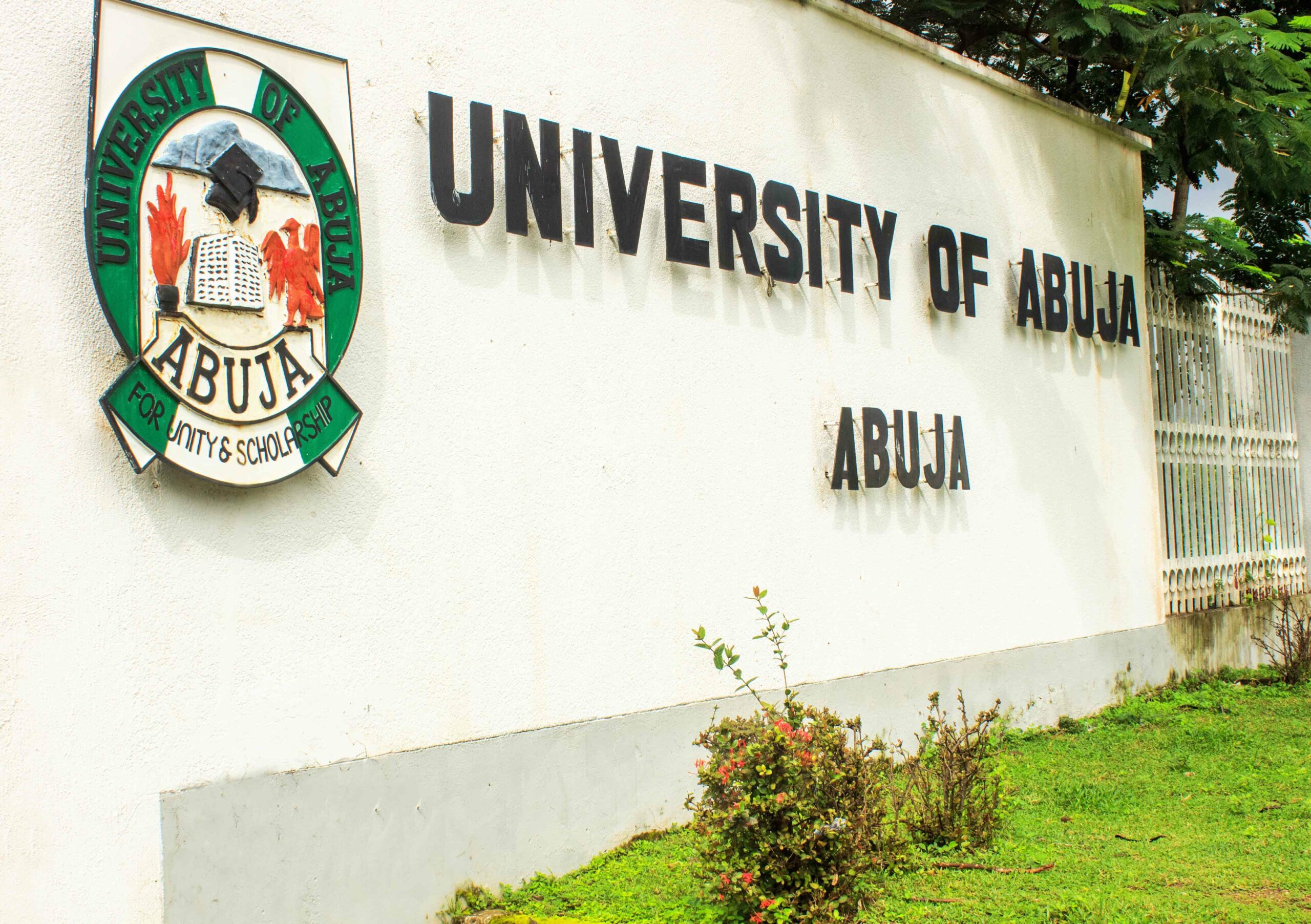
By Ezekiel Mai Gwari
To say that the University of Abuja has dominated the Nigerian news space since early February 2025 is to tell the obvious. Facilitated by the Minister of Education, Dr. Maruf O. Alausa, it was precisely on the 6th day of that month that the Federal Government announced its unilateral dissolution of the whole Governing Council (including internal members) and removal of the newly appointed 7th substantive Vice-Chancellor of the University, Professor Aisha Sani Maikudi. This precipitate action initially sent shockwaves throughout the Nigerian University system and the length and breadth of the federation. Subsequently, with time, the audacity of the action, the unlawfulness, and the attendant fumbling ministerial actions towards addressing the negative fallout have served as breeding grounds for a growing number of forces determined to reverse the unwelcome action.
Buoyed by the relentless outcry of knowledgeable actors in the university system and other well-informed members of the public which deemed the usurpation of the University’s autonomy unwarranted and uncalled-for, a constellation of concerned staff, both government and non-governmental bodies, as well as public-spirited individuals are sprouting and united about the need to restore law and order, leadership sanity and due process at the University of Abuja. One recalls that in place of the removed authorities, the government, in the same breath, appointed a new Pro-Chancellor and Chairman of the Governing Council in the person of Senator Lanre Tejuoso, and an acting Vice-Chancellor from the University of Jos, Professor Patricia Manko Lar. The latter was given a 6-month tenure, which expires this week.
Both actions by the government have been proven to be inconsistent with the existing laws of the university, due process, and manifest undue external interference that negates its autonomy. Members of the University of Abuja community, and occasionally other eggheads from sister universities, have remained adamant with conviction that the government has been dragged into a policy cul-de-sac. Their consistent, well-informed exposition has recruited not a few to their advocacy, including yours, who until now has been a mere passive onlooker of the ongoing saga, especially at the University of Abuja. Not anymore. University education is too important to be left at the mercy of a temporary political appointee to do as he pleases!
Consequently, the Federal Ministry of Education, particularly Minister Dr. Alausa, has been on the receiving end of growing public outcry and pressure to halt the trend of unwarranted intervention in universities. This has followed in the wake of several other universities being affected by similar unwelcome government interference in their affairs. There has also been the widely publicised altercation with the Governing Council of the Admiralty University of Nigeria over the selection and appointment of a new Vice-Chancellor.
- Why I will serve only one term if elected president – Obi
- IBAN condemns Baddegi FM closure directive
The Minister has further muddied the waters by attempting to enforce the so-called ministerial guidelines for appointing Vice-Chancellors—guidelines that hold no legal authority over the universities’ enabling laws. A clear demonstration of this overreach is the recent court ruling that halted the Vice-Chancellor selection process at the University of Calabar, citing the unlawful imposition of the ministry’s 10-year professorial requirement. Elevating an internal advisory meant solely to guide the ministry’s representatives on university councils to the status of binding law is both misguided and untenable. This misstep lays bare the Minister’s lack of competence and his poor grasp of the complex dynamics of higher education governance.
Even in instances where Dr. Alausa seems to be addressing some of the core issues—such as the reinstatement of the Vice-Chancellor of Alvan Ikoku Federal University of Education—his actions have only served to deepen the crisis on a national scale. This is largely due to his inexplicably selective approach, which has deliberately excluded the removed Vice-Chancellor of the University of Abuja from similar consideration. Despite the strikingly parallel circumstances of the two female academic leaders—Professor Stella Ngozi Lemchi of Owerri and Professor Aisha Sani Maikudi of Abuja—Dr. Alausa’s refusal to reinstate Professor Maikudi, who in fact possesses greater professorial experience, has laid bare an apparent ethno-regional bias. In doing so, the Minister has unnecessarily introduced divisive national fault lines into what should have remained a straightforward legal and administrative matter.
As the custodian of our national laws, the National Assembly has been compelled to intervene in the matter through the House of Representatives Committee on University Education. Concerned by the deteriorating situation at the affected universities and upon receiving several petitions, the Committee conducted an investigation hearing, interacting with stakeholders involved, including the Minister of Education, affected Pro-Chancellors and Vice-Chancellors, as well as other Council members. It is known that the intervention by the National Assembly is not only exerting tremendous pressure on the Ministry of Education and its leadership, but other stakeholders are also encouraged to join the fray in the noble cause to recover and sanitise the university system.
In the specific case of the University of Abuja, no official explanation has emerged as to why the leadership situation has remained unresolved following its resolution at Owerri by Dr. Alausa. It is now becoming clear that, in addition to his actions being dictated by primordial predilection, the Minister may be taking matters personally against the young and beautiful academic from the North. This is an unfortunate commentary on the calibre of some of the people who are currently placed in positions of huge national responsibility. In any functional and just society, precocious talents and leading lights like Professor Aisha Maikudi are encouraged and protected to blossom, not oppressed and victimised for no reason.
In the meantime, pending the release of its report and attendant action, the House Committee, especially its Chairman, Hon. Abubakar Hassan Fulata, from Jigawa state, should be commended for the decisive intervention to restore university governance and management in the country in line with existing laws and due process. As a former university don at the renowned Ahmadu Bello University, Zaria, his leadership of the committee has been top-notch, and Hon. Fulata has ensured that his deep knowledge and familiarity with the university system are impacting the committee’s work. Having forced the issue to the forefront of the national conversation and also encouraging other stakeholders to act, the House Committee has created a glimmer of hope for the system.
Following the earlier reinstatement of the Vice-Chancellor of Alvan Ikoku Federal University of Education, President Tinubu has now reappointed Air Vice Marshal Saddiq Kaita (rtd)—the immediate past Pro-Chancellor and Chairman of the previously dissolved Governing Council of the University of Abuja—as the new Pro-Chancellor of Bayero University, Kano. This appointment effectively exonerates the dissolved Council led by AVM Kaita, including its lawful selection and appointment of Professor Aisha Sani Maikudi as the 7th substantive Vice-Chancellor. Yet, what remains inexplicably unresolved is the continued exclusion and marginalisation of Professor Maikudi,
In light of this development, the onus is on the Minister of Education to set aside personal biases and bring the leadership conundrum at the University of Abuja to a just and lawful resolution. This has become a categorical imperative, given that the tenure of the acting Vice-Chancellor expires this week and the University’s Academic Staff Union of Universities (ASUU) has already warned that it will not accept any leadership imposition outside of the existing laws of the institution.
Reinstating the unlawfully removed internal Council members and VC Professor Maikudi is not only consistent with equity but necessary to restore confidence in the system. President Tinubu has eloquently demonstrated statesmanship in the matter by leading from the front and reappointing AVM Kaita. It is now incumbent on the rest of the system to follow suit. Justice delayed, in this case, is not just justice denied — it is a grave disservice to Nigeria’s educational future.
Mai Gwari is a former member of the House of Representatives