
UniAbuja raises alarm over illegal admissions, vows zero tolerance
The management of the University of Abuja, now renamed Yakubu Gowon University, has raised concern over the rising cases of illegal admissions into the institution, warning parents and prospective students against falling prey to racketeers. Speaking during a sensitisation event held ahead of the 2025/2026 admission cycle, Professor Olanrewaju Alade, Director of the Development Office […]
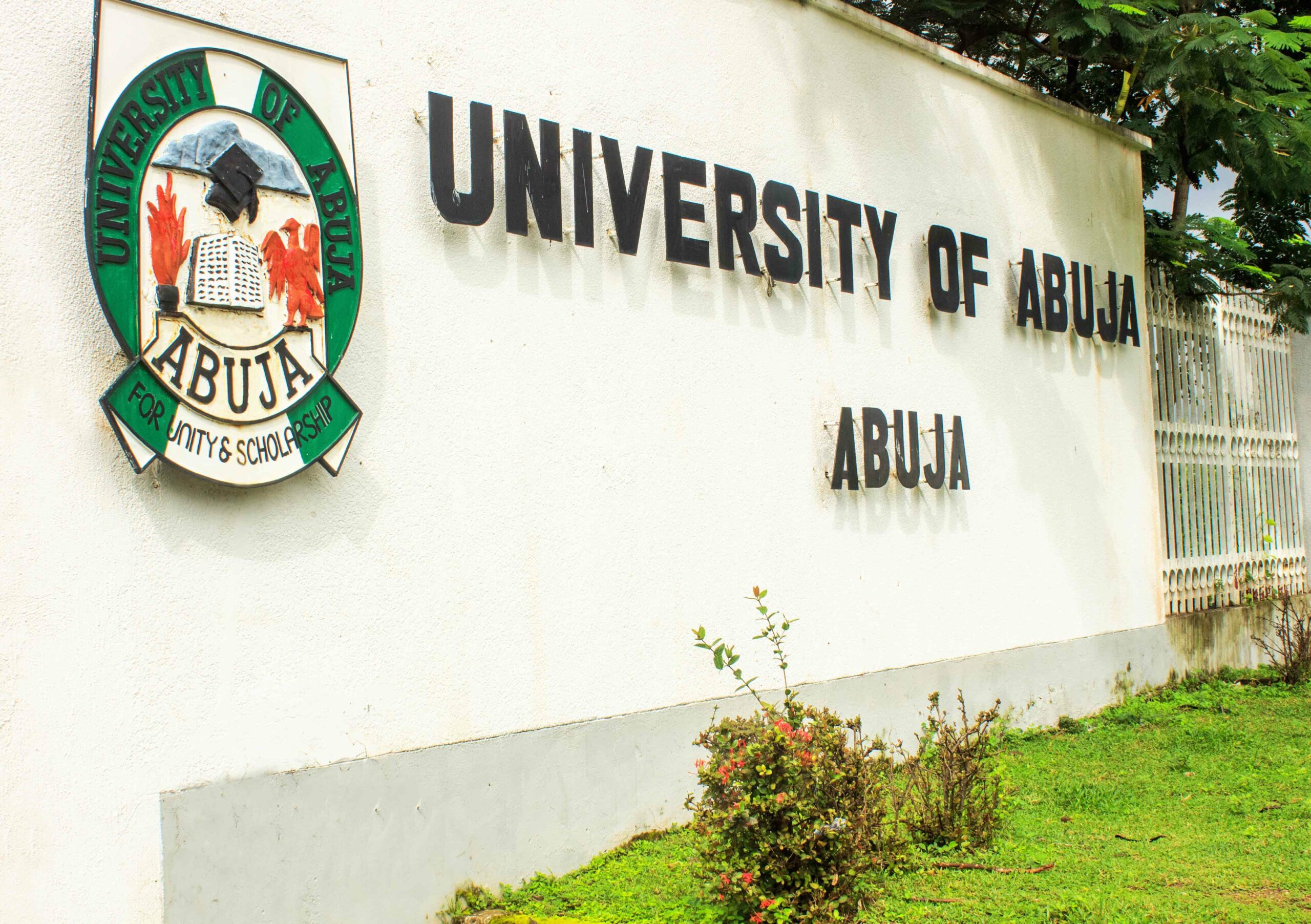
The management of the University of Abuja, now renamed Yakubu Gowon University, has raised concern over the rising cases of illegal admissions into the institution, warning parents and prospective students against falling prey to racketeers.
Speaking during a sensitisation event held ahead of the 2025/2026 admission cycle, Professor Olanrewaju Alade, Director of the Development Office within the Vice-Chancellor’s Office, disclosed that several students were found to have gained admission through fraudulent means last year.
“Last year, we observed that quite a number of students fell victim to illegal admission. They weren’t on our admission list on the JAMB portal, but somehow they managed to have the university’s admission letter and even proceeded to make payments,” he said.
Professor Alade explained that the Vice-Chancellor, Professor Patricia Mankola, had set up a committee to investigate the irregularities, which revealed that misinformation and lack of awareness were major factors contributing to the problem.
- Int’l uproar over Israeli takeover of Gaza
- Change of guard: Chairman-designate resumes at NERC ahead confirmation
“We realised that the misconception and possibly lack of awareness of the people largely is responsible for why students fell victim to admission racketeers,” he said.
He said the university has now launched a sensitisation campaign to educate the public on proper admission procedures and to reinforce its zero tolerance for racketeering.
“We want everyone to apply and follow strictly the procedures laid down for admission—merit, catchment areas, and consideration for less educationally disadvantaged states. The process is not opaque; it’s very transparent,” he said.
Professor Alade urged parents and candidates to use only the university’s official communication channels for inquiries, warning that anyone promising admission outside the formal process is likely involved in fraud.
“If anybody is promising you admission, know for certain that it’s a red flag. Something possibly illegal might be in the pipeline,” he cautioned.
On penalties for offenders, he stressed that illegal admission is a criminal offence and would be treated as such.
“An offence is committed. The sanctions are there. It’s punishable by law and goes beyond university regulations. The law will take its course,” he said.
The university reiterated its commitment to upholding integrity in its admission process and protecting candidates from exploitation.