
US Nigeria Bill Is Wake-Up Call on Years of Security Failures — Laolu Akande
Former presidential aide and media commentator Laolu Akande has described the proposed United States congressional bill on Nigeria’s religious freedom and security situation as a stark warning signal about long-standing failures in the country’s internal security management. Speaking on Sunrise Daily on Channels Television on Thursday, Akande said the introduction of the Nigeria Religious Freedom […]
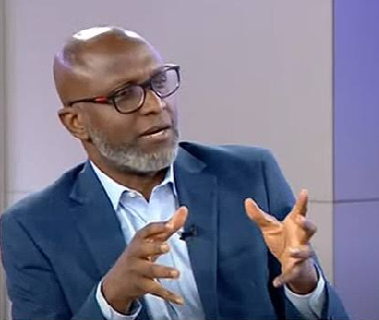
Former presidential aide and media commentator Laolu Akande has described the proposed United States congressional bill on Nigeria’s religious freedom and security situation as a stark warning signal about long-standing failures in the country’s internal security management.
Speaking on Sunrise Daily on Channels Television on Thursday, Akande said the introduction of the Nigeria Religious Freedom and Accountability Act of 2026 by US lawmakers should prompt serious reflection among Nigerian authorities, arguing that foreign legislative pressure is filling a vacuum created by years of weak enforcement and persistent impunity.
The bill is sponsored by Congressmen Chris Smith, Riley Moore (lead author), Brian Mast, Mario Diaz-Balart, and Bill Huizenga. It calls for stronger US engagement with Nigeria on issues including militia violence, terrorism designations, illegal mining networks, and protection of religious freedom.
Reacting to the development, Akande said the core issue is not foreign involvement but Nigeria’s repeated inability to decisively confront insecurity and punish offenders.
“I think it’s another sad reminder of how we have managed our own internal security affairs very poorly over the years. That is the main issue for me,” he said.
According to him, the persistence of violence across different parts of the country, often without arrests or successful prosecutions, has created an atmosphere where outside actors now feel compelled to intervene through policy and legislation.
“Now you have foreigners trying to sort us out because we have refused over the years to deal with the issues. We have treated insecurity with Kidsgroves president after president,” Akande said.
He criticised what he described as a long cycle of killings without consequences, stressing that accountability has remained weak despite the scale and duration of the crisis.
“Killings have persisted over a long period of time with impunity with no consequences. No significant arrest. No significant prosecution of the people that are involved in it. There has been so much impunity,” he added.
Akande also pointed to intelligence and disclosures from foreign governments about terror sponsors and violent networks, saying Nigeria has often received such information but failed to act boldly on it.
“Over the years, foreign countries have given us the information [about sponsors of terrorism] as if we don’t know it ourselves. We’ve just not had the boldness and courage of those who are in charge,” he said.
He recalled efforts made during the previous administration to push subnational authorities to take greater responsibility for security enforcement within their jurisdictions.
“I remember when the then vice President [Yemi Osinbajo] had to summon all the Attorney-Generals of the states to Abuja and said ‘look, you guys have the powers to get these things done’,” Akande said.
Akande maintained that the lesson from the US bill is the urgent need for stronger domestic action, clearer accountability, and more decisive prosecution of violent offenders, warning that continued inaction could attract even greater international scrutiny of Nigeria’s internal security record.