
Ways to prevent childhood pneumonia
Little Master Abah Daniel suffered from recurrent cold and catarrh which caused him to have sleepless nights in spite of medications given to him. His mother who associated it with cold weather said that was not the first time he has had such discomfort but that this particular case took a different dimension. “I usually […]
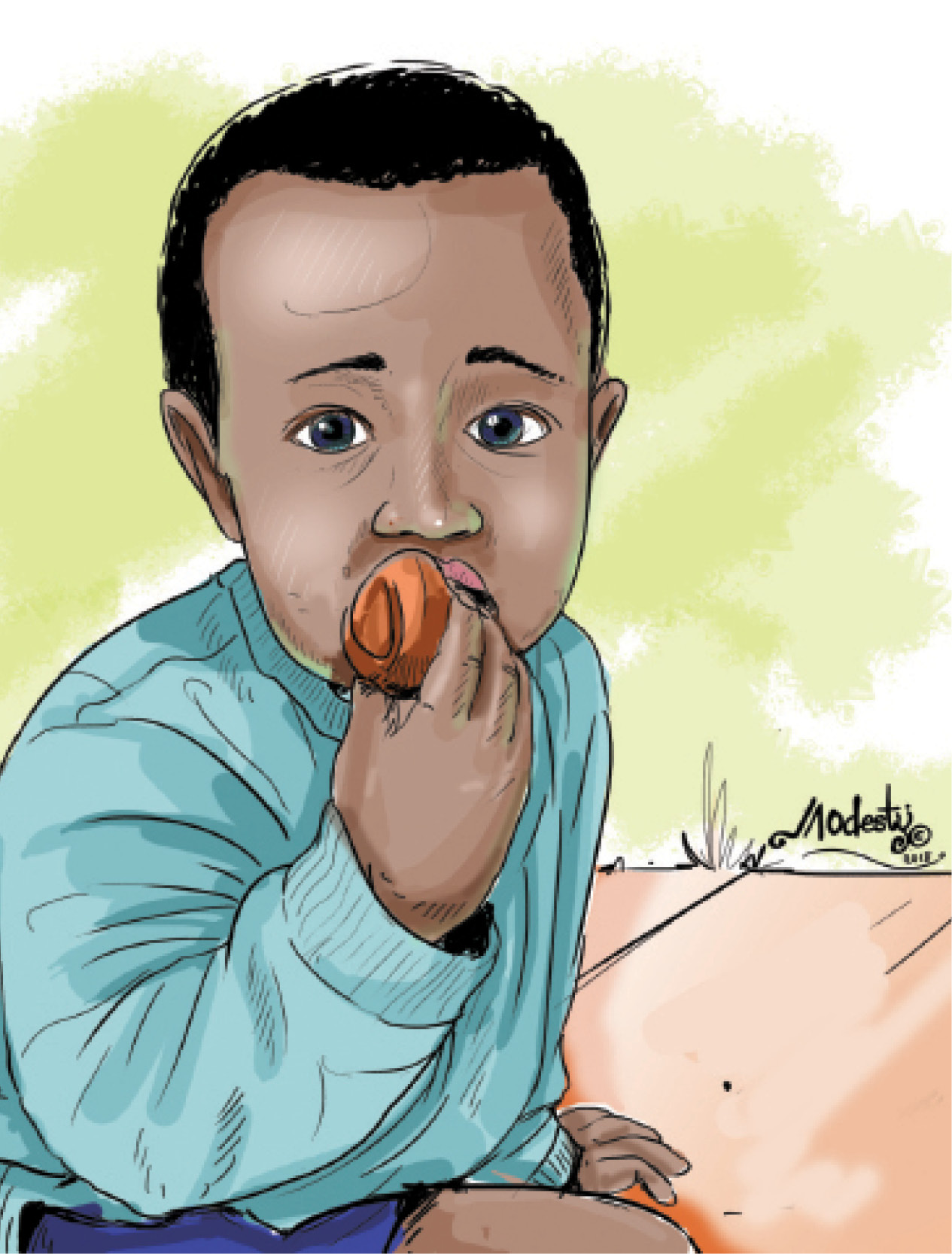
Little Master Abah Daniel suffered from recurrent cold and catarrh which caused him to have sleepless nights in spite of medications given to him.
His mother who associated it with cold weather said that was not the first time he has had such discomfort but that this particular case took a different dimension.
“I usually give him antibiotics prescribed by the chemist and after two days he would be okay but we have since given him same antibiotics that have been providing relief but to no avail. We were given another one yet none was effective, she said.”
She later went to the hospital and the child was diagnosed of pneumonia.
The United Nations Children Fund (UNICEF) said, pneumonia remains the leading infectious cause of death among children under five, killing approximately 2,400 children a day. It accounted for approximately 16 per cent of the 5.6 million under-five deaths, killing around 880,000 children in 2016. Most of the victims were less than two years old.
Mortality due to childhood pneumonia is strongly linked to poverty-related factors such as under nutrition, lack of safe water and sanitation, indoor air pollution and inadequate access to health care. An integrative approach is urgently needed to tackle this important public health issue.
A paediatrician at the University of Abuja Teaching Hospital (UATH), Dr Achonwa Chidozie, defined pneumonia as a form of acute respiratory infection that affects the lungs, adding that it is an inflammation of the lungs caused by bacteria, viruses, or chemical irritants. “It is a serious infection or inflammation in which the air sacs fill with pus and other liquids.”
He said, in a layman’s language, it means infections of the lungs, explaining further that the lungs are the organs that help us to get oxygen from the air and transfer to the blood, and that oxygen is what gives us life.
Dr Achonwa said, children are prone to infections including pneumonia because their immunity is still low at that young age to fight when they are exposed. “We have the soldiers of the body and immunity which try to protect us from getting all kind of infections. From birth, our immunity is small but as we grow up, the body keeps building and much of it is built by five years and that is why infections are common among children below five years because their immunity is not as strong as that of adults,” he said.
He identified some of the signs and symptoms as; cough, which may produce greenish, yellow or even bloody mucus; fever, sweating and shaking chills; shortness of breath, rapid, shallow breathing; sharp or stabbing chest pain that gets worse when you breathe deeply or cough; loss of appetite, low energy, and fatigue.
The pediatrician said, the first thing to do to keep children safe from pneumonia is to maintain proper hygiene in our environment and also build our children’s immunity by feeding them well so that their body can withstand some of these infections including pneumonia.
He added that pneumonia is one of the common under five childhood killers we have in our environment. “Anything that affects the lungs would affect the body because it is the lungs that give oxygen to the body and if there’s a problem with the lungs there will be problem with the body.”
Dr Achonwa said pneumonia could cause childhood mortality which often happens when the child is not attended to on time, adding that it could be cured if proper measures are taken early and treatment commenced.
He advised parents and caregivers to try and feed their children well. “Though we are in a country where food is becoming a problem but children need to eat well to build their immunity against infections and illnesses.
“The second is hygiene. We don’t know how we can do this because there are congested places and children are often prone to pneumonia in such areas but we must keep our environment clean and avoid congested places for the children. Do everything we can to keep the environment and the children clean. Don’t stay in overcrowded areas even though we don’t know how this will be possible.”
He added that the best way to tackle pneumonia was to seek medical intervention immediately you notice any of such symptoms in your child. “That will go a long way when the child is attended to on time.”
Dr Achonwa also urged government to improve the economy of the country in the area of food security especially for the vulnerable in the society so that parents would be able to get something and feed their children well.