
We expect Nigeria Revenue Service to make a difference
The decision by the Federal Government to beef up its revenue collection and management through a reform of the tax system could not have come at a better time. Under this objective, the government passed four tax bills, which President Bola Tinubu signed into law recently after a rigorous debate and review. The four laws […]
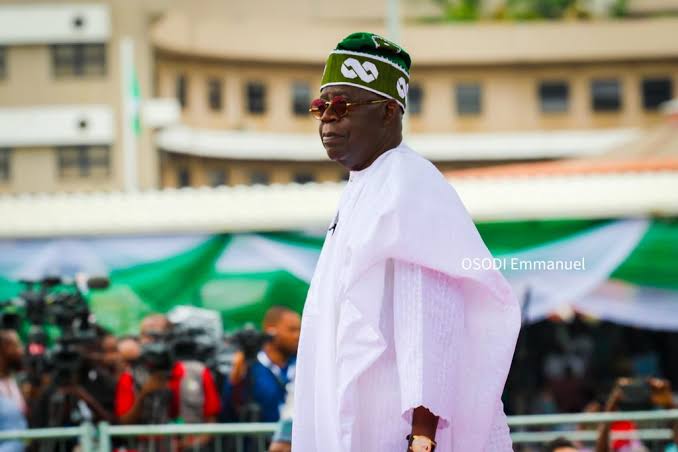
bola tinubu
The decision by the Federal Government to beef up its revenue collection and management through a reform of the tax system could not have come at a better time. Under this objective, the government passed four tax bills, which President Bola Tinubu signed into law recently after a rigorous debate and review. The four laws are the Nigeria Tax Act 2025, Nigeria Tax Administration Act 2025, Joint Revenue Board of Nigeria Establishment Act 2025, and Nigeria Revenue Service Act 2025, the latter being a replacement of the existing agency known as the Federal Inland Revenue Service.
With these Acts, the multiplicity of revenue-collecting agencies has been pruned to just one: the Nigeria Revenue Service (Establishment) Act. It is charged with powers of assessment, collection of, and accounting for revenue accruable to the Government of the Federation. The Act gives sweeping powers to the Revenue Service to administer laws relating to taxation in Nigeria, including the other Acts just issued by the government.
Its powers extend to exercising laws imposing collection of taxes, fees and levies collected by other government entities including signature bonus, pipeline fees, penalty for gas flared, depot levies and licences, fees for Oil Exploration Licence, Oil Mining Licence, Oil Production Licence, royalties, rents, fees for licences to operate drilling rigs, fees for oil pipeline licences, haulage fees and all such fees prevalent in the oil industry. The Nigeria Revenue Service is also empowered to execute all regulations, proclamations, orders, government notices or rules issued in terms of this legislation or any revenue of the government.
This expansive range of responsibilities for the agency is indicative of the government’s desire to impose order on the chaotic nature of the nation’s revenue collection system. Until now, Nigeria’s tax and revenue collection has been characterised by disorderliness, conflict and multiple taxation, and more importantly, leakages. Many government agencies have abandoned their core duties to dabble in revenue collection.
Sometimes, the revenues collected do not pass through the proper channels, as some end up in the wrong hands. In the process, the government annually loses billions of naira in lost revenues. Unsuspecting members of the public have been deceived into making payments into personal accounts, with some of them being forced into hidden places where they were ripped off by so-called government officials.
With the new legislation, these agencies have been relieved of the responsibility of collecting revenue, so they should now concentrate on their core mandates. In all, about 63 agencies are to be relieved of the revenue-collection function when the new Acts take effect from January 1, 2026.
Right now, under the new system of taxation ushered in by the new tax laws, only one agency is charged with the function of revenue collection.
The other agencies were set up for various functions, but somehow, they abandoned their primary assignments and got involved in revenue collection. Now that they have been relieved of this function, they should concentrate on the purposes for which they were originally set up. Such agencies include the Nigerian Customs Service, the Nigerian Maritime Service, and the Federal Roads Safety Corps, among others. This is an opportunity for them to chart new courses for themselves and return to their original purposes. This will enable them to provide better services to the country in the respective areas in which they have been established to serve.
It is hoped that Nigerians experience more efficient service instead of corrupt practices that bedevilled the conduct of many officials working for these agencies.
Daily Trust is not ignorant of the power of these agencies to resort to undercover activities, including illegally outsourcing the collection of revenue. The management of the affected agencies should introduce mechanisms to deter and punish officials indulged in illegal revenue collection.
There is also the need for robust public enlightenment on the duties of the new revenue collection agency to guard against Nigerians being short-changed by unscrupulous officials.
We also urged officials of the Nigeria Revenue Service to take the new assignment with renewed dedication and patriotism. They now hold the onerous task of collecting the revenue of the nation which determines its development and progress. Their success or otherwise will chart the course for the nation and it would be unfortunate if they fail to deliver on the trust the nation places on them.
Daily Trust urges the management to ensure appointments in the agency are based on competence, credibility and ability to deliver service for the common good of the country. The Nigeria Revenue Service must not fail the nation.