
We totally object to coup
The recent reports of a thwarted coup plot within the Nigerian military, which have resulted in the reported arrest of several officers, are a source of worry. The threat posed by these reports to our hard-earned democracy should not be taken lightly. Daily Trust categorically condemns any notions of a coup, or plots, ideation, or […]
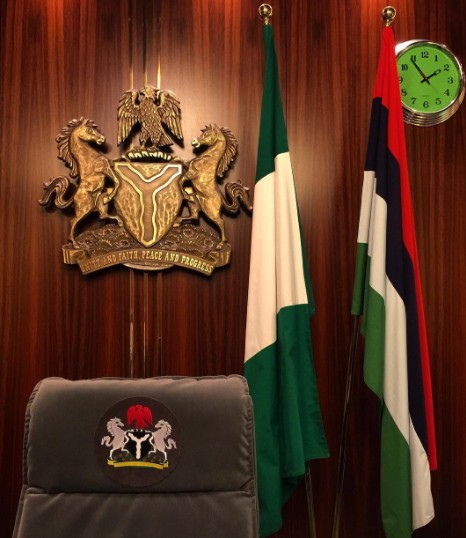
The recent reports of a thwarted coup plot within the Nigerian military, which have resulted in the reported arrest of several officers, are a source of worry. The threat posed by these reports to our hard-earned democracy should not be taken lightly. Daily Trust categorically condemns any notions of a coup, or plots, ideation, or any attempts to subvert the democratically elected government of the country.
We are not unaware of our history of military interventions in the governance of the country and the concomitant effects of such intrusions in civil society. While such interventions have often been celebrated by the masses, who are frequently disappointed by the performance of the ousted governments, the long-term implications of decades of military rule in the country are still evident in the stunted political and infrastructural development we are experiencing today.
While violent overthrows of constitutional governments are often disguised under the semblance of patriotism and altruism, or grandiose claims of saving the country from corruption, tribalism, and other such vices hampering our development, we have frequently seen these vices quietly but firmly take their place at the table of the new military regimes. The January 15, 1966, coup was supposed to pave the way for a strong and united Nigeria free from internal strife; it ended up achieving quite the opposite.
In the years and subsequent coups that have followed, issues such as corruption and incompetence, which various officers have accused both the politicians and their military predecessors of, have continued to remain firmly entrenched even in the new regimes.
These interventions have weakened our national institutions and our resolve as a nation, and fostered a culture of instability that continues to plague us today.
The last 26 years of stable democracy might not have provided Nigerians with the much-anticipated “dividends of democracy,” but they have given us a semblance of stability and political order. There is no price to place on that. Nigerians have had a reasonable say in who they choose to govern them and for how long. Electoral disputes have been adjudicated in courts of law, as they should be, and we are gradually building a political culture that will continue to evolve and grow as we progress. Any military intervention now would erase whatever little progress we have made over the last two and a half decades, taking us back at least a generation. We simply cannot afford that.
That said, we must note the poor management of information about the alleged coup plot. The administration and the top military hierarchy must be forthright in communicating the truth about the situation so as to earn public trust and confidence.
These actions do not demonstrate that the government has a firm grip of the situation; they reflect a government acting to consolidate power and to manage internal discontent within the armed forces.
Internal discontent has always been a reason for soldiers to resort to violent actions to interfere in the country’s democratic journey. Soldiers too, like most Nigerians, have the right to feel aggrieved by unfavourable government policies and workplace discontent. Most Nigerians are, of course, dissatisfied with the difficult economic situation in the country, the high level of corruption, poor infrastructure, and significant insecurity. This does not justify any call, plot, or action to incite public disorder. Neither should the military’s discontent warrant the usurpation of the mandate to govern which Nigerians entrusted to this democratically elected government. There are legal recourses available within military service rules or the courts of law, as Nigerians have the option to use the ballot should their discontent persist.
The manner in which the government handles this discontent is crucial. It must be approached with tact and firmness in a way that will inspire public confidence in the government.
Yet, four weeks after speculations that a plot was foiled and following the arrest of about 16 or more officers, the government has still not deemed it necessary to inform Nigerians of any preliminary findings on the investigations. This is a major failure to acknowledge Nigerians as crucial partners in the journey towards democratic sustainability and public order, and as essential allies in the civilian administration of the country.
We must not fail to remind the government that under no circumstances should this reported coup plot be used as a prop to intimidate, incriminate, harass, or witch-hunt dissenting voices. The investigations must be thorough, fair, and transparent. Ultimately, the government must view this as an opportunity to address its own failings and the discontent of Nigerians, both within and outside the armed forces. The preservation of democracy and good governance must take precedence over fear and tyranny.