
We’re committed to reducing cancer burden – Health minister
The Minister of State for Health and Social Welfare, Dr. Iziaq Adekunle Salako, has reiterated that the federal government is committed to reducing the burden of cancer. He spoke at the weekend during the Science of Advanced Prostate Cancer in Africa (SoAPCA) Conference 2025 held in Lagos, with experts calling for urgent, inclusive, and culturally […]
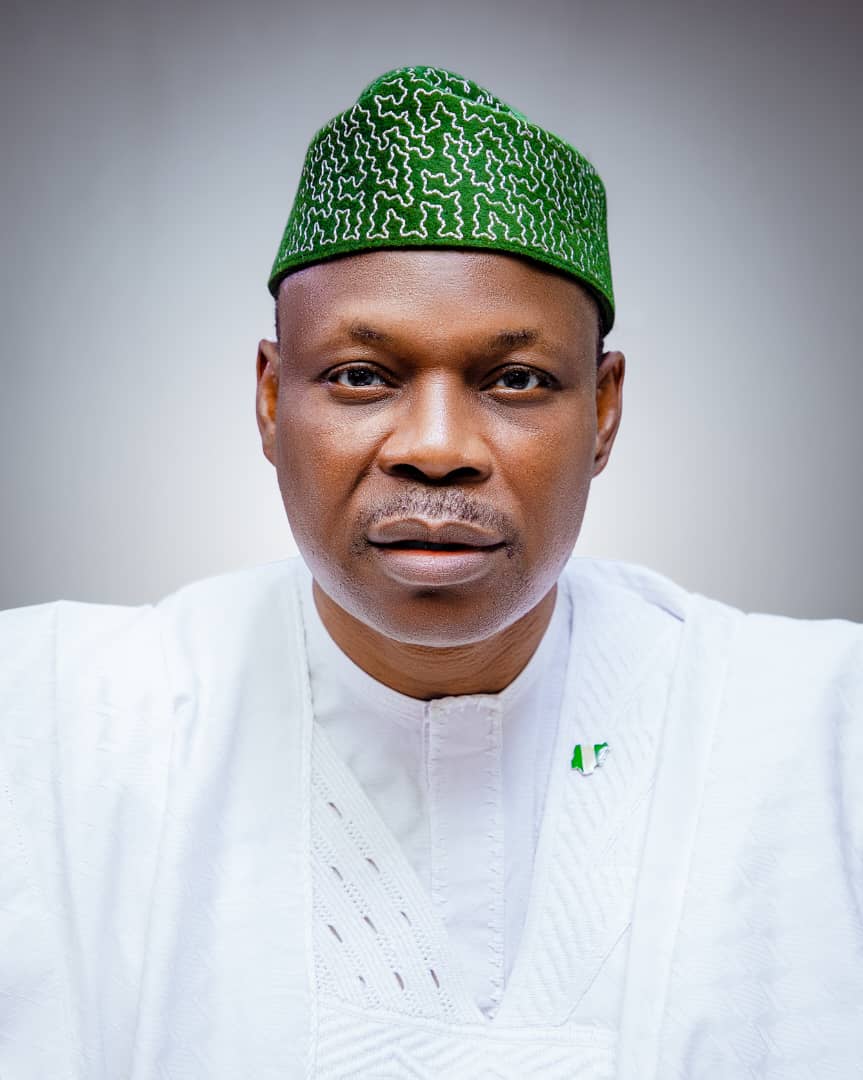
Dr Iziaq Adekunle Salako
The Minister of State for Health and Social Welfare, Dr. Iziaq Adekunle Salako, has reiterated that the federal government is committed to reducing the burden of cancer.
He spoke at the weekend during the Science of Advanced Prostate Cancer in Africa (SoAPCA) Conference 2025 held in Lagos, with experts calling for urgent, inclusive, and culturally responsive clinical trials to tackle the rising burden of prostate cancer across the continent.
Represented by Dr. Kehinde Ololade, Special Adviser to the Minister on Technical Matters, he highlighted the government’s tangible steps.
“The current administration led by President Bola Ahmed Tinubu is committed to reducing the burden of cancer in Nigeria,” Dr. Ololade said.
- Popular Kano bridge collapses after heavy rainfall
- FG kicks off 2nd phase of Renewed Hope job scheme with 41,000 Nigerians
“This commitment is demonstrated by the recent commissioning of three comprehensive cancer centers on the same day: in Enugu, Edo, and Katsina states. This shows that the government is not merely paying lip service but actively rolling up its sleeves to address cancer care in the country.”
The new centres are intended to provide state-of-the-art oncology services and enhance access to early detection and treatment for patients across different regions of Nigeria.
Prostate cancer is one of the leading cancers affecting African men, with data showing late-stage diagnoses and poor survival outcomes. In Southern Africa, incidence rose by nearly 60 percent between 2002 and 2018, yet fewer than four percent of global clinical trials are conducted on the continent.
Keynote speaker and Founder of the Prostate Cancer Transatlantic Consortium (CaPTC), Prof. Folakemi Odedina, who spoke on the theme “Addressing Advanced Prostate Cancer in Africa Through Inclusive Clinical Trials”, stated that cultural and lifestyle factors such as diet and cooking practices contribute to unique risk patterns.
She warned that unless African men are adequately represented in global studies, treatment outcomes will remain inequitable.
“Behind every data point is a life,” Odedina said. “Inclusive trials are not optional – they are essential for health equity and for better patient outcomes across Africa.”
She highlighted the need for decentralized clinical trials that bring research closer to communities through local clinics, telemedicine, and mobile health workers. According to her, African-led Clinical Trial Units could serve as operational backbones, while harmonized regulations through the African Medicines Agency would reduce approval delays for multi-country studies.
The President of the Nigerian Cancer Society, Prof. Abidemi Omonisi, described prostate cancer as a silent but growing threat, lamenting limited funding, widespread stigma, and a shortage of trained oncologists.
He stressed that most patients present late due to ignorance and cultural misconceptions, often mistaking symptoms for less severe ailments.
“We cannot continue to rely solely on external funding. Africa must invest in its own cancer future,” he said, warning that without sustainable financing, innovative therapies would remain out of reach for many African men.
Omonisi also urged governments to invest in training more oncologists and pathologists to meet the growing demand for cancer care.