
What is Dengue Fever?
I am reliably informed that in one of the northern states of recent, Dengue Fever was diagnosed among many inhabitants. Please provide simple information about it. Rose Q Thanks Rose, yes you are right about Dengue fever. It is transmitted by the bite of a mosquito infected with one of the four dengue virus serotypes. […]

I am reliably informed that in one of the northern states of recent, Dengue Fever was diagnosed among many inhabitants. Please provide simple information about it.
Rose Q
Thanks Rose, yes you are right about Dengue fever. It is transmitted by the bite of a mosquito infected with one of the four dengue virus serotypes. It is a febrile illness that affects infants, young children and adults with symptoms appearing 3-14 days after the infective bite. Dengue is not transmitted directly from person-to-person and symptoms range from mild fever, to incapacitating high fever, with severe headache, pain behind the eyes, muscle and joint pain, and rash.
Severe dengue (also known as dengue hemorrhagic fever) is characterized by fever, abdominal pain, persistent vomiting, bleeding and breathing difficulty and is a potentially lethal complication, affecting mainly children.
Dengue is a mosquito-borne viral infection which causes flu-like illness, and occasionally develops into a potentially lethal complication called severe dengue.
Dengue is found in tropical and sub-tropical climates worldwide, mostly in urban and semi-urban areas. There is no specific treatment for dengue/ severe dengue, but early detection and access to proper medical care lowers fatality rates below 1%.
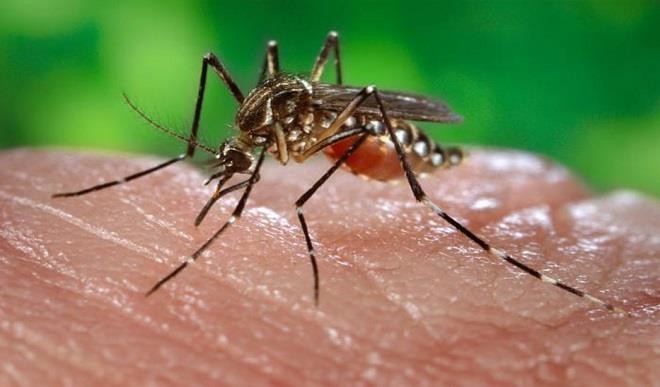
Dengue prevention and control depends on effective vector control measures. Dengue is a mosquito-borne viral disease that has rapidly spread in all regions of WHO in recent years. Dengue virus is transmitted by female mosquitoes mainly of the species Aedes aegypti and, to a lesser extent, Ae. albopictus. This mosquito also transmits chikungunya, yellow fever and Zika infection. Dengue is widespread throughout the tropics, with local variations in risk influenced by rainfall, temperature and unplanned rapid urbanization.
Burden of the problem;
According to W.H.O, the incidence of dengue has grown dramatically around the world in recent decades. The actual numbers of dengue cases are underreported and many cases are misclassified. One recent estimate indicates 390 million dengue infections per year of which 96 million manifest clinically (with any severity of disease). Another study, of the prevalence of dengue, estimates that 3.9 billion people, in 128 countries, are at risk of infection with dengue viruses.
How it is transmitted?
The Aedes aegypti mosquito is the primary vector of dengue. The virus is transmitted to humans through the bites of infected female mosquitoes. After virus incubation for 4–10 days, an infected mosquito is capable of transmitting the virus for the rest of its life.
Infected symptomatic or asymptomatic humans are the main carriers and multipliers of the virus, serving as a source of the virus for uninfected mosquitoes. Patients who are already infected with the dengue virus can transmit the infection (for 4–5 days; maximum 12) via Aedes mosquitoes after their first symptoms appear.
Features?
1. Dengue fever is a severe, flu-like illness that affects infants, young children and adults, but seldom causes death.
2. Dengue should be suspected when a high fever (40°C/104°F) is accompanied by 2 of the following symptoms: severe headache, pain behind the eyes, muscle and joint pains, nausea, vomiting, swollen glands or rash. Symptoms usually last for 2–7 days, after an incubation period of 4–10 days after the bite from an infected mosquito.
3. Severe dengue is a potentially deadly complication due to plasma leaking, fluid accumulation, respiratory distress, severe bleeding, or organ impairment. Warning signs occur 3–7 days after the first symptoms in conjunction with a decrease in temperature (below 38°C/100°F) and include: severe abdominal pain, persistent vomiting, rapid breathing, bleeding gums, fatigue, restlessness and blood in vomit. The next 24–48 hours of the critical stage can be lethal; proper medical care is needed to avoid complications and risk of death.
Treatment and Immunization;
1. There is no specific treatment for dengue fever.
2. For severe dengue, medical care by physicians and nurses experienced with the effects and progression of the disease can save lives – decreasing mortality rates from more than 20% to less than 1%. Maintenance of the patient’s body fluid volume is critical to severe dengue care.
3. In late 2015 and early 2016, the first dengue vaccine, Dengvaxia (CYD-TDV) was registered in several countries for use in individuals 9-45 years of age living in endemic areas.