
What Is Guillain-Barre Syndrome?
Please I need in a simple language the meaning of Guillain-Barre Syndrome, its symptoms, signs, complications and likely treatment. Can it be cured or not? Abraham Q. Thanks Abraham for your question. According to Healthline.com “Guillain-Barre syndrome is a rare condition in which your immune system attacks your nerves, leading to muscle weakness and even […]

Please I need in a simple language the meaning of Guillain-Barre Syndrome, its symptoms, signs, complications and likely treatment. Can it be cured or not?
Abraham Q.
Thanks Abraham for your question. According to Healthline.com “Guillain-Barre syndrome is a rare condition in which your immune system attacks your nerves, leading to muscle weakness and even paralysis. The exact cause of Guillain-Barre is unknown, but it often occurs after a viral or bacterial infection. Guillain-Barre syndrome is a rare but serious autoimmune disorder in which the immune system attacks healthy nerve cells in your peripheral nervous system. This leads to weakness, numbness, and tingling. It can eventually cause paralysis. This cause of this condition is unknown, but it’s typically triggered by an infectious illness, such as the stomach flu or a lung infection.”
There’s no cure for Guillain-Barre, but most people eventually make a full recovery.
Causes Guillain-Barre Syndrome?
The precise cause of Guillain-Barre is unknown.
• The problem may be triggered by an improper immune response to the previous illness.
• Campylobacter jejuni infection has been associated with Guillain-Barre. It’s also the most common risk factor for Guillain-Barre.
• The following infections have also been associated with Guillain-Barre: Influenza, Cytomegalovirus, which is a strain of the herpes virus, Epstein-Barr virus infection and Mycoplasma pneumonia, which is an atypical pneumonia caused by bacteria-like organisms
• HIV or AIDS
Anyone can get Guillain-Barre, but older adults and men are most likely to contract it.
Symptoms of Guillain-Barre Syndrome?
In Guillain-Barre syndrome, immune system attacks peripheral nervous system. The nerves in peripheral nervous system connect brain to the rest of the body and transmit signals to the muscles. The muscles won’t be able to respond to signals they receive from the brain if these nerves are damaged.
The symptoms of Guillain-Barre include:
• Tingling or prickly sensations in the fingers and toes
• Muscle weakness in the legs that travels to the upper body and gets worse over time
• Difficulty walking steadily
• Difficulty moving the eyes or face, talking, chewing, or swallowing
• Severe lower back pain
• Loss of bladder control
• Fast heart rate
• Difficulty breathing
• Paralysis
How is Guillain-Barre Syndrome diagnosed?
Guillain-Barre is difficult to diagnose at first. This is because the symptoms are very similar to those of other neurological disorders or conditions that affect the nervous system.
The following tests will help to diagnose;
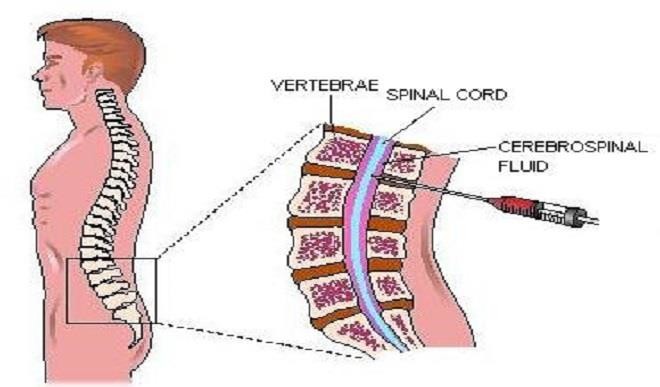
• “Spinal tap; a spinal tap involves taking a small amount of fluid from the spine in the lower back. This fluid is called cerebrospinal fluid. It is tested to detect protein levels. People with Guillain-Barre typically have higher-than-normal levels of protein in their cerebrospinal fluid.
•Electromyography; an electromyography is a nerve function test. It reads electrical activity from the muscles to help a doctor learn if the muscle weakness is caused by nerve damage or muscle damage.”
How is Guillain-Barre Syndrome treated?
Everybody with Guillain-Barre should be admitted to a hospital for close observation. In severe cases, people with Guillain-Barre can develop full-body paralysis. Guillain-Barre can be life-threatening if paralysis affects the diaphragm or chest muscles, preventing proper breathing.
Guillain-Barre can’t be cured. The goal of treatment is to lessen the severity of symptoms and keep the body functioning while nervous system recovers. Treatment may include:
•“Plasmapheresis (Plasma Exchange); the immune system produces proteins called antibodies that normally attack harmful foreign substances, such as bacteria and viruses. Guillain-Barre occurs when immune system mistakenly makes antibodies that attack the healthy nerves of the nervous system.Plasmapheresis is intended to remove the antibodies attacking the nerves from the blood. During this procedure, blood is removed from the body by a machine that removes the antibodies and returns the blood back.
• Intravenous Immunoglobulin; high doses of immunoglobulin can also help to block the antibodies causing Guillain-Barre. Immunoglobulin contains normal, healthy antibodies from donors.
• Medication can be given to relieve pain and prevent blood clots.
• Physical therapy.”
Potential complications of Guillain-Barre Syndrome?
Guillain-Barre affects nerves. The weakness and paralysis that occurs can affect multiple parts of the body. Complications may include
• Difficulty in breathing
• Lingering weakness, numbness, or other odd sensations even after recovery
• Heart or blood pressure problems and pain
• Slow bowel or bladder function
• Blood clots and bedsores due to paralysis.