
When silence is golden
Any time I try to comment on the Bola Ahmed Tinubu administration, my fingers freeze on the keyboard. This is because I don’t know where to start with missteps piling one after the other at supersonic speed. If one wants to do justice to the reader and the government, where does one start? The insensitivity […]
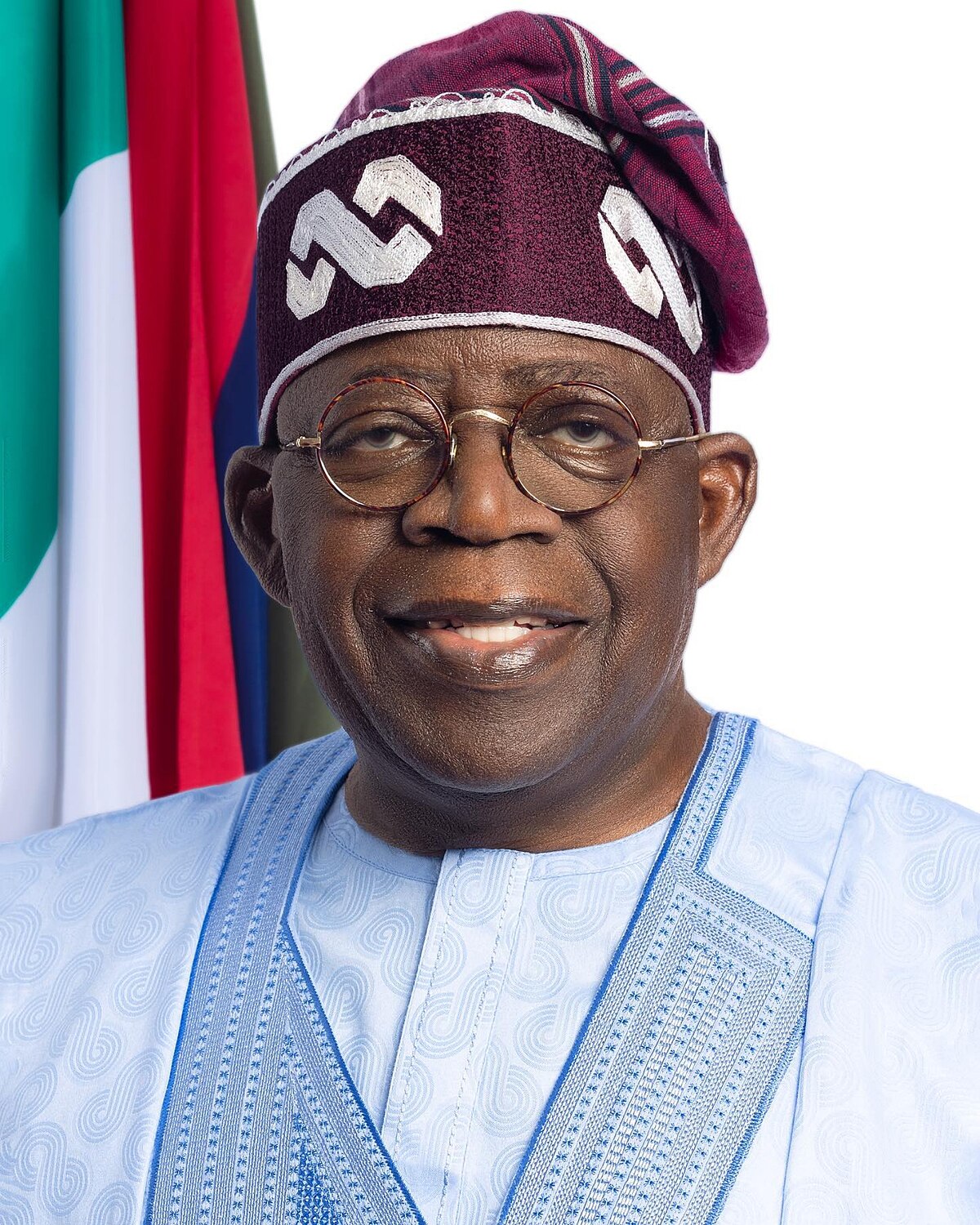
President Bola Ahmed Tinubu
Any time I try to comment on the Bola Ahmed Tinubu administration, my fingers freeze on the keyboard. This is because I don’t know where to start with missteps piling one after the other at supersonic speed. If one wants to do justice to the reader and the government, where does one start? The insensitivity of the government in ‘graciously’ informing Nigerians that the seat of power – Aso Villa – will be migrating from the national grid to solar powered electricity “because of the unsustainability” of the cost of electricity? Or fiddling in Katsina while fire burns right at the backyard of the venue of the festivities at which the president was lavishly entertained and seen to be enjoying himself? Or the National Assembly that has become an appendage of the executive arm of government?
The situation in the country is disheartening, to say the least. While the World Bank said 75 per cent of Nigerians are poor and Akinwunmi Adesina, the President of the African Development Bank informed us that we are poorer than where we were 64 years ago. As expected, the guns from the Aso Villa came out blazing full of vitriol, with Marshal Bayo Onanuga leading the cavalry. We are not even allowed to hold any contrary opinion to that of the government and its operatives.
President Tinubu made two critical decisions without thinking through the implications on the economic well-being of Nigerians and the country as a corporate entity. The removal of subsidy on petroleum products and the floatation of the national currency, the naira. These decisions were taken on a whim, and we are all paying the price. Electricity tariffs were jacked up by over 300 per cent, making it unaffordable to majority of Nigerians, including the government as testified in its insensitive message to Nigerians.
While the federal government is huffing and puffing on its “celebrated” Lagos – Calabar Coastal project at a cost that is beyond any human imagination – N15 trillion – we are told that the Abuja – Kaduna highway was delayed before the contract was finally terminated for lack of funds. It was later to be awarded to a company that is alien to the construction industry in Nigeria. The Lagos – Calabar Coastal Road goes side by side with the East – West Road, while you cannot drive for a hundred kilometres continuously in the North East. The roads in the North East remind one of Ali Mazrui’s Magnum Opus Africans: The Triple Heritage, where when describing Ugandan roads said “when you see a man driving on Ugandan roads in a straight line, he must be drunk”.
- Suspected kidnapper operating in Abuja, Kogi, Nasarawa nabbed
- 2027: ADC vows to mobilise 35m voters to unseat APC, Tinubu
While the Mambilla Hydroelectric Project has been reduced to a court circus, the northeastern sub-region was without electricity for three months in 2024 and the northwest had their dose of darkness for about 20 days. With Kainji, Zungeru, Shiroro and Jebba hydroelectric dams all located in the North, we do not have any reason to stay this long without power.
The Kolmani crude oil drilling has been abandoned for the past two years with no activity taking place at the site, with bandits threatening to take over the area and its surrounding villages. The Ajaokuta – Kaduna – Kano (AKK) gas pipeline is fast becoming a once-upon-a-time story just like the Kudenda power plant in Kaduna, which could not be commissioned 10 years after its supposed completion.
The level of insecurity we are experiencing is unprecedented; I don’t believe a civil war situation will be worse than where we are today. Boko Haram is on the ascendancy in the North East; bandits have taken over most of the states of the North West; terrorists and irredentists are effectively in control of the North Central. The scary part? Nobody seems to care. If the government of Tinubu isn’t bothered with the gradual brutal disintegration of the North, is it okay for northerners to be this indifferent to a situation that is fast consuming us – chunk by chunk, state by state and zone by zone? We are already faced with an existential threat, yet we don’t seem to care. Are we normal?
Are we contented to being spectators to this sad reality? Posterity will judge us harshly, according to Frantz Fanon. Fanon’s oft quoted statement readily comes to mind in view of what the North is going through – “the future will have no pity for those men who, possessing the exceptional privilege of being able to speak words of truth to their oppressors, have taken refuge in an attitude of passivity, of mute indifference, and sometimes of cold complicity. While others are organising, we are agonising and wringing our hands in lamentations.
Toungo wrote from Kaduna