
Why Africa’s biggest dam is ruffling feathers along Nile River
On Tuesday, Ethiopia officially inaugurated the Grand Ethiopian Renaissance Dam (GERD), Africa’s largest hydroelectric project, marking the end of a 14-year construction journey and the beginning of a new chapter in Nile Basin geopolitics. The dam, built on the Blue Nile near the Sudanese border, is designed to generate over 5,000 megawatts of electricity, enough […]
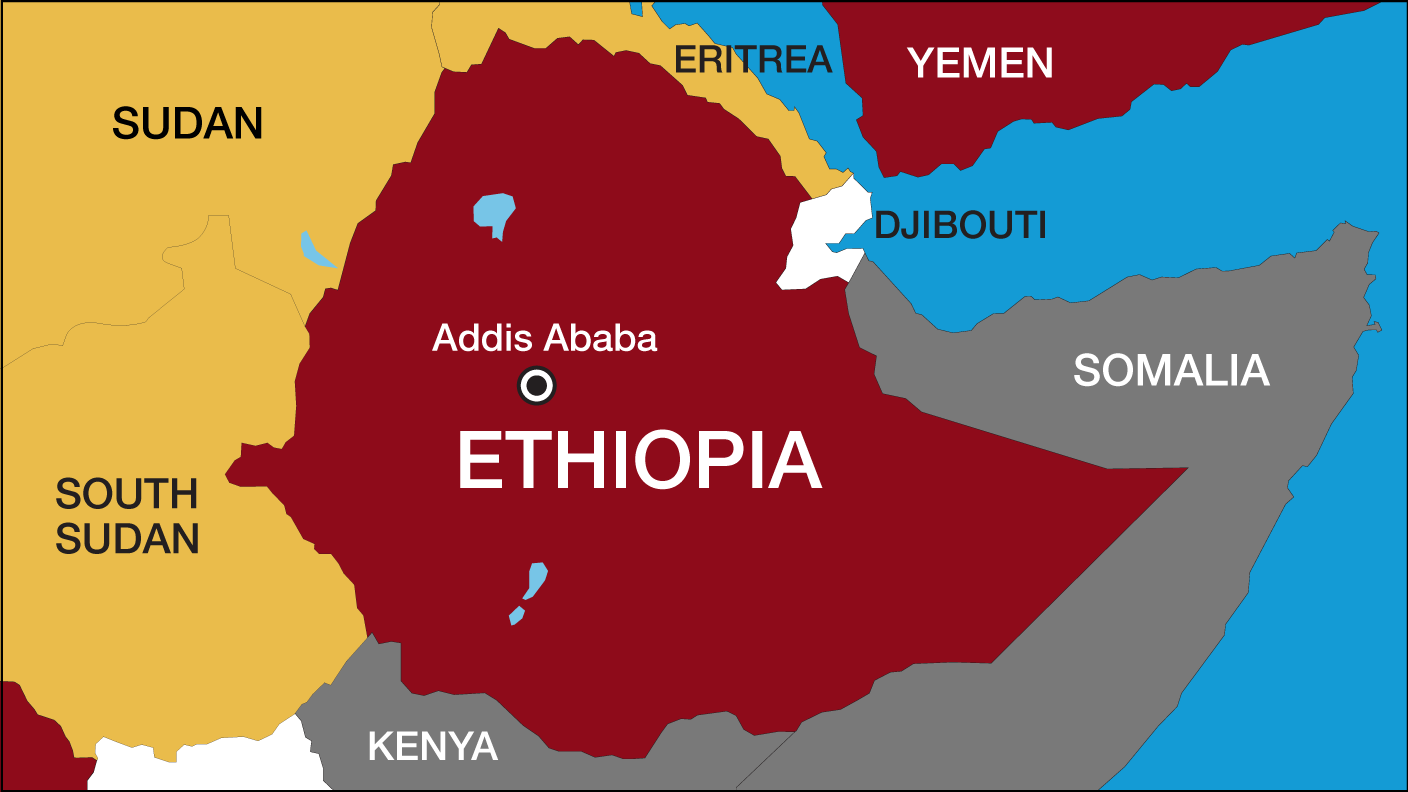
On Tuesday, Ethiopia officially inaugurated the Grand Ethiopian Renaissance Dam (GERD), Africa’s largest hydroelectric project, marking the end of a 14-year construction journey and the beginning of a new chapter in Nile Basin geopolitics.
The dam, built on the Blue Nile near the Sudanese border, is designed to generate over 5,000 megawatts of electricity, enough to power millions of homes and transform Ethiopia into a regional energy hub.
Towering at 175 meters high and stretching 1,800 meters wide, GERD stands as Africa’s largest dam, with a reservoir capable of holding up to 74 billion cubic meters of water, more than the volume of Lake Tana, Ethiopia’s largest lake.
However, while Addis Ababa celebrated the milestone with fanfare and regional allies, the ceremony was noticeably boycotted by Egypt and Sudan, whose longstanding concerns over water security remain unresolved.
- Calls mount for Nigeria to halt deportation of Egyptian facing torture risk
- Women in Da’awah group urges integration of Islamic, western, vocational education
For Ethiopia, GERD is more than an infrastructure project. It is a symbol of sovereignty, resilience, and ambition. Prime Minister Abiy Ahmed, speaking at the inauguration, described the dam as “a great achievement not only for Ethiopia but for all Africans,” emphasising that it was built to uplift economies, not to harm neighbours.
The dam was financed almost entirely through domestic sources, including bond sales and grassroots fundraising, reinforcing its status as a national triumph.
Located on the Blue Nile, the source of the bulk of the Nile’s downstream water, has made it a flashpoint in regional diplomacy. Egypt, which depends on the Nile for more than 90% of its freshwater, views the dam as an existential threat.
Cairo fears that the filling and operation of the dam could reduce water flow, disrupt agriculture, and exacerbate water scarcity during droughts. Sudan, while initially optimistic about flood control and energy benefits, has grown increasingly wary of the dam’s safety and the lack of coordination, especially after experiencing erratic water levels during earlier filling phases.
Hydropower, irrigation, and politics of water
The Nile River, which runs for 6,650 kilometres, is shared by 11 countries: Burundi, Rwanda, the Democratic Republic of Congo (DRC), Kenya, Uganda, Tanzania, Ethiopia, Eritrea, South Sudan, Sudan, and Egypt.
The GERD dispute has been marked by years of stalled negotiations, failed mediation efforts, and clashing legal interpretations.
Egypt and Sudan have consistently called for a binding agreement to govern the dam’s filling schedule and operational protocols.
Ethiopia, however, has resisted such constraints, arguing that it has a sovereign right to develop its water resources without external interference.
Talks brokered by the African Union, the United States, and the United Nations have yielded no breakthrough.
In July 2025, Egypt’s Foreign Minister Badr Abdelatty declared the end of negotiations, citing Ethiopia’s unilateral actions and accusing it of violating international law.
Kenya’s President William Ruto has since offered to mediate, but progress remains elusive.
At the heart of the impasse is the 1959 Nile Waters Agreement, which allocated 66% of the river’s flow to Egypt and 22% to Sudan, excluding Ethiopia entirely.
Addis Ababa rejects the treaty as a colonial relic, arguing that it does not reflect modern realities or the rights of upstream nations. This clash of legal frameworks has hardened positions and made compromise difficult.
Beyond the immediate water concerns, GERD has wider implications for regional stability and development. If managed cooperatively, the dam could serve as a model for shared infrastructure, powering industries across East Africa and reducing reliance on fossil fuels.
Ethiopia has already begun exporting surplus electricity to neighbouring countries, positioning itself as a key player in the continent’s energy future.
But if left unresolved, the dispute could deepen mistrust, fuel nationalist rhetoric, and destabilise an already fragile region. Climate change adds urgency to the equation, with unpredictable rainfall and rising demand threatening to intensify competition over water resources.
Experts warn that unilateral actions could trigger a race to the bottom, where short-term national interests override long-term sustainability.
Civil society groups have called for greater transparency, environmental assessments, and inclusive dialogue. The African Union, as a continental body, has a critical role to play in facilitating these conversations and ensuring that development does not come at the expense of justice.
As the waters of the Blue Nile surge through GERD’s turbines, the dam stands as both a triumph and a test, a monument to Ethiopia’s aspirations and a mirror reflecting the region’s unresolved tensions.
Analysts say whether it becomes a beacon of cooperation or a source of conflict will depend on the choices made in the months ahead.