
Why banks’ rates may remain at 27% in 2026 — Report
The reduction of the Monetary Policy Rate (MPR) from 27 per cent during a pre-election year may trigger inflation, the head of research, EnterpriseNGR, Tayo Muritala has said. It would be recalled that in 2025, the Central Bank of Nigeria (CBN) maintained MPR at 27.5% at the beginning of the year but reduced it by […]
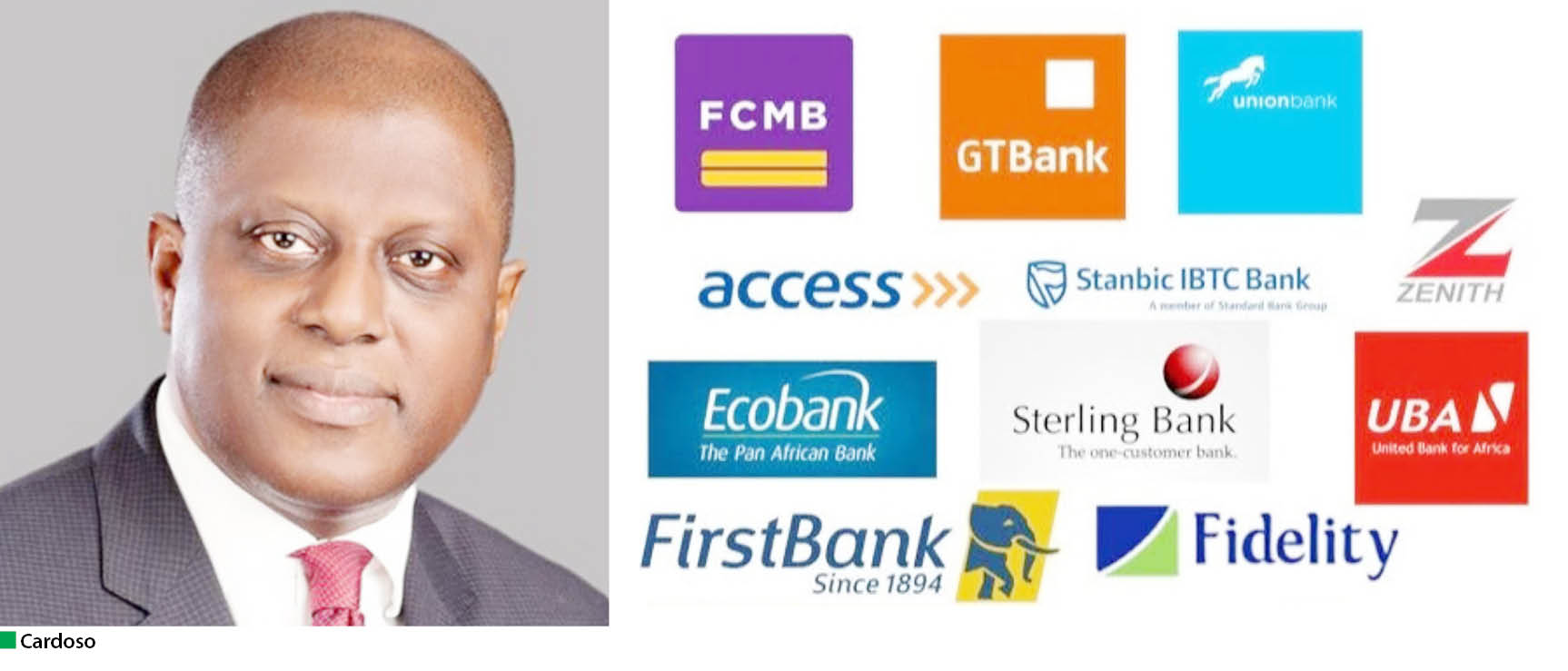
how fit are the banks for cardoso’s new capital regime
The reduction of the Monetary Policy Rate (MPR) from 27 per cent during a pre-election year may trigger inflation, the head of research, EnterpriseNGR, Tayo Muritala has said.
It would be recalled that in 2025, the Central Bank of Nigeria (CBN) maintained MPR at 27.5% at the beginning of the year but reduced it by 50 basis points (0.5%) to 27 percent in September.
The apex bank retained the rate in November in an effort to sustain the fight against inflation and stabilize the Naira.
However, Muritala, while presenting EnterpriseNGR 2026 macroeconomic outlook, projected a baseline of MPR at 27 per cent, raising concerns that the reduction may increase inflation pressures due to the pre-election spendings ahead of the 2027 general election.
“If they (CBN) reduce MPR from 27 per cent and we have pre-election spending continuing, it will spark inflation.
“It is not ideal to reduce MPR, what they would rather do in any central bank is to increase. If the inflation rate and spending eased,
“These indicators of inflation rate and spending have a major impact on major markets; capital and money markets. If CBN does not take the right action, those markets will collapse and that is our prediction,” he said.
He added that inflation moderated to 15.15 per cent by December 2025, the lowest level in five years, supported by tighter monetary policy, improved foreign-exchange transparency, and easing supply pressures.
The Chief Executive Officer, EnterpriseNGR, Obi Ibekwe projected that the financial and Professional Services sector has a critical role to play in this next phase.