
Why energy access should be a priority
Nigeria’s plan for putting its National Clean Cooking Policy into action aims for 20 per cent of households in the country to be using electricity for cooking by the year 2030. The targeted year is not far from today. While this is an amazing move for transitioning to renewable, clean energy; however, more efforts need to be […]
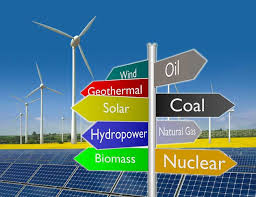
energy
Nigeria’s plan for putting its National Clean Cooking Policy into action aims for 20 per cent of households in the country to be using electricity for cooking by the year 2030. The targeted year is not far from today. While this is an amazing move for transitioning to renewable, clean energy; however, more efforts need to be put in place to address the energy inequality in Nigeria in order to achieve the target. Achieving this target will depend largely on how well federal and state governments translate these commitments into workable policies that reach the ordinary Nigerian.
Nigerians, especially the low-income earners, are in need of access to clean energy. Nigeria’s climate priority should, as a matter of climate justice, focus on advancing access to clean and sustainable energy for all. This requires deliberate policy action, not only national commitments but state and local government levels implementation plans backed by adequate funding.
Democratising clean and affordable cooling tools such as solar-powered fans, air conditioners, fridges, and other appliances is very essential in bridging the gap in access to clean energy between the low-and-high income earners. Solar-powered solutions, in particular, should be integrated into state renewable energy programmes because they provide decentralised access for rural households. Energy access to more Nigerians, especially in rural communities, means mass poverty reduction, which translates to climate resilience.
Lack of access to clean energy translates to increased unsustainable biomass adoption, no fans, no cold water, and no rest for the low-income earners, even after a long day of work in the quest to earn a livelihood. This often comes with an increasing cost of healthcare, as exposure to the sweltering heat is associated with serious health complications. This is why, if Nigeria is serious, energy access must be recognised as a public health policy issue, not just a climate target.
Many research across the world has long established that while vulnerable groups such as the poor, women, children, and persons with disabilities (PWDs) contribute the least to climate change, they are more at the receiving end of the effects of extreme climate crises than other groups of people.
Therefore, it is quite unjust for the rich to access clean energy and comfortably rest, while the poor continue to grapple with the increasing effects of global warming caused by climate change despite being those who contribute the least in amplifying the causes and effects of climate change.
High, low-cost, and subsidised energy transition tools should be prioritised. The roasting, suffocating heat comes with a price, in addition to pushing people to continue using unsustainable energy sources. In essence, energy access for all has strong potential to reduce poverty, improve sustainable practices, and increase health outcomes while promoting climate resilience.
Isah Kamisu Madachi wrote from Abuja and can be reached via: [email protected]