
Why rename UniMaid?
In a nation where education is still fighting for relevance and respect, certain institutions stand out as symbols of resilience, pride, and legacy. One such institution is the University of Maiduguri (UniMaid). This university has stood tall for nearly five decades in the heart of Borno State, even in the face of extreme adversity, such […]
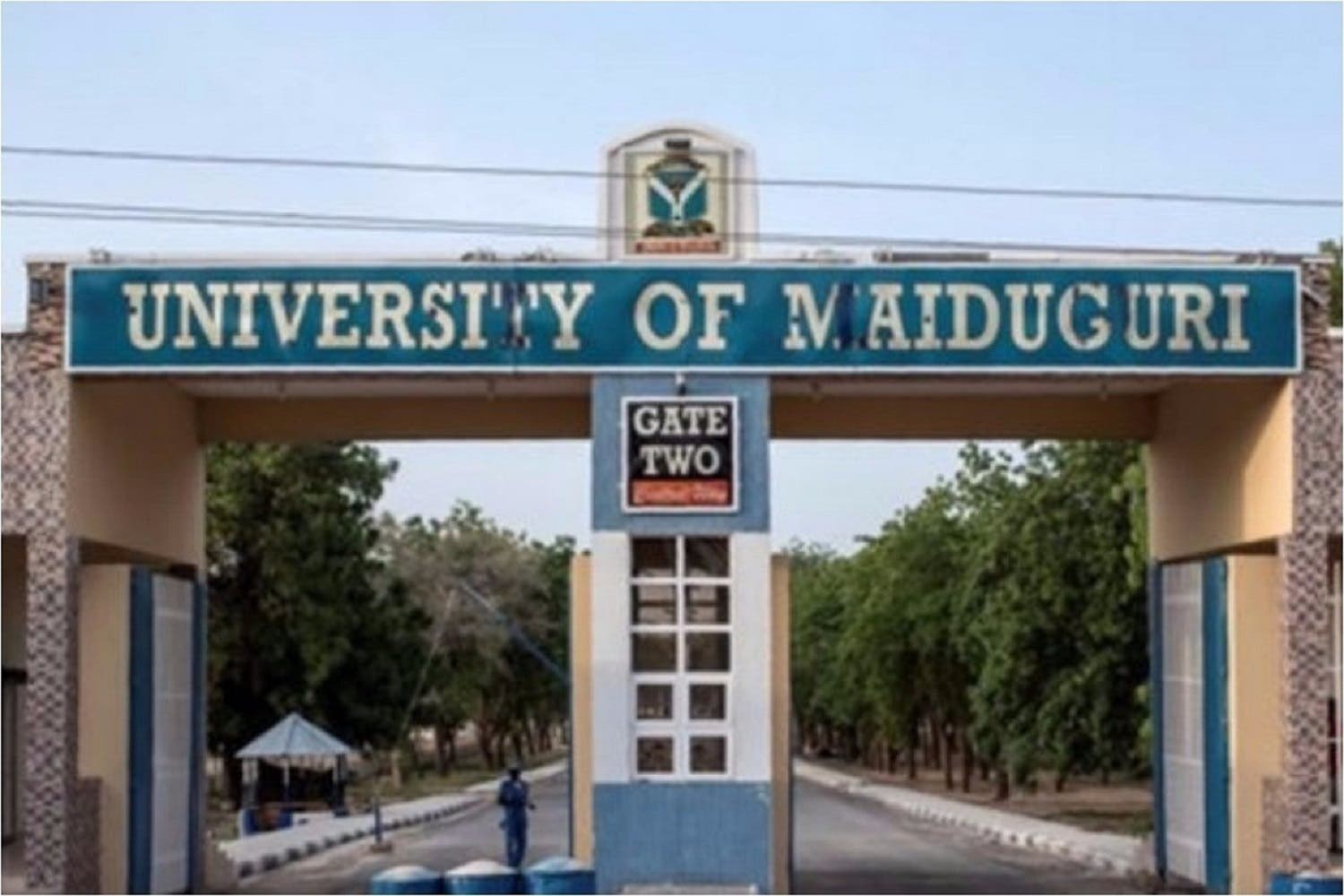
In a nation where education is still fighting for relevance and respect, certain institutions stand out as symbols of resilience, pride, and legacy. One such institution is the University of Maiduguri (UniMaid). This university has stood tall for nearly five decades in the heart of Borno State, even in the face of extreme adversity, such as terrorism. So why, after almost 50 years of building an identity, legacy, and community, is UniMaid being renamed?
It has been announced that the University of Maiduguri will be renamed Muhammadu Buhari University, in honour of the late former president. While some may view this as a noble gesture, I respectfully but firmly disagree with the decision. Not because I do not recognise President Buhari’s role in Nigerian history, but because certain legacies, especially those attached to public institutions, should remain untouched.
UniMaid is not just a university; it is a beacon of hope in the Northeast. In a region plagued by insurgency, UniMaid never closed its gates. Students kept learning, lecturers kept teaching, and a community stood firm against the odds. The name University of Maiduguri has come to symbolise strength, courage, and the undying spirit of education in the face of conflict. What message are we sending to the people of Borno, the students, alumni, and the wider academic community when we strip that name away? Let’s be honest. Naming institutions after political leaders is not a new tradition in Nigeria. But should every such decision be driven by political affiliation or loyalty rather than merit, legacy, or popular demand?
Is renaming a university that has built its strong brand and identity the best way to honour a former president? There are many ways to honour late leaders through research institutes, libraries, or even brand-new universities. But must we overwrite an existing legacy to celebrate another? Have the students, lecturers, or alumni of UniMaid been consulted in this matter? This is a university with tens of thousands of graduates spread across Nigeria and beyond, proudly carrying the name “UniMaid” on their certificates, job applications, and business ventures. How do they feel about waking up one day to learn that the name of their alma mater has been changed without warning, without consent? Will the change affect their professional identity? Will institutions abroad recognise the new name without raising questions?
Buhari deserves recognition, but this is not the way. To be clear, this is not an attack on President Muhammadu Buhari. Like every leader, he had his contributions and his controversies. Whether or not one agrees with his policies, he remains a major figure in Nigerian history. But that does not automatically mean every major public institution must carry his name. Great men are remembered not just by what is named after them, but by how well the values they stood for are preserved. If we must honour Buhari’s memory, let us do so in a way that adds to our academic landscape, not rewrites it.
I believe that we must draw the line somewhere. Not everything must be renamed. Not every legacy should be rewritten. Some names carry historical weight, cultural relevance, and emotional connection. UniMaid is one of them. Changing that name not only disrespects decades of history but also ignores the pride of a region that sees the university as its own. It is more than just a name; it is a symbol.
Let UniMaid remain UniMaid. Let us preserve the history we already have, even as we create room to honour new heroes in other meaningful ways. Because at the end of the day, when the dust settles, history will judge us not just by who we honour, but by what we choose to protect.
Gloria Yakubu wrote via [email protected]