
Why state police amendment must not repeat 1966 tragedy
Distinguished Senators, Honourable Members of the House of Representatives, and Respected Speakers and Members of the State Houses of Assembly, I write to you not as an adversary but as a fellow citizen who has studied our constitutional history and who watches with concern as the proposal to establish state police forces is fast-tracked through […]
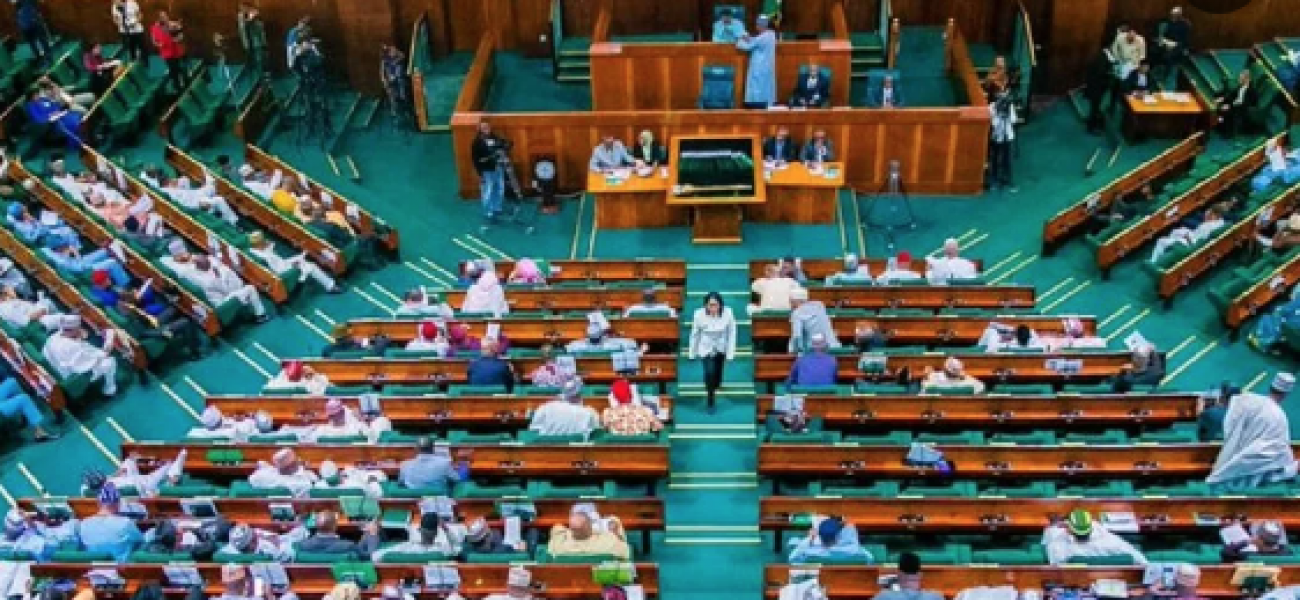
house of representatives
Distinguished Senators, Honourable Members of the House of Representatives, and Respected Speakers and Members of the State Houses of Assembly,
I write to you not as an adversary but as a fellow citizen who has studied our constitutional history and who watches with concern as the proposal to establish state police forces is fast-tracked through our legislative processes. Under declared “legislative emergency,” public hearings have been abbreviated, committees have been directed to submit reports within 48 hours, and members have been recalled from oversight functions. I respectfully submit that this matter is too important for haste. The decisions you make in the coming days will shape Nigeria for generations.
I ask a simple question that deserves an honest answer: what exactly is the problem for which state police is the solution? The problem, as we all acknowledge, is a Nigeria Police Force that is underfunded, understaffed, and in need of serious reform. But the failure of one system does not automatically justify the creation of 36 new systems. The solution to a broken federal police is not necessarily to devolve into policing to state governors. It may be to fix the federal police.
History offers a warning that we ignore at our peril. Between 1960 and 1966, Nigeria operated regional police forces under the control of regional premiers. Those forces were systematically weaponised against political opponents, minority ethnic groups, and anyone who dared to dissent. The Western Region crisis of 1962–1965 remains the most documented example. Under Premier Chief Samuel Akintola, the Western Nigeria Police Force was deployed to harass, intimidate, and arrest members of Chief Obafemi Awolowo’s opposition Action Group. Regional police detained opposition lawmakers, disrupted their rallies, and seized their properties. The 1962 treason trial of Awolowo widely regarded by historians as politically motivated was prosecuted using evidence gathered by regional police officers acting as agents of the Akintola administration. Awolowo was convicted and sentenced to 10 years imprisonment. His supporters were rounded up. Their newspapers were closed. Their meetings were banned. All under the colour of law.
Human rights lawyer Femi Falana (SAN) reminded Nigerians of this history in his May 2026 lecture. He stated: “Those days, if you belong to the opposition, when you and your family are sleeping, a dead body will be dumped in your compound. The next morning, you’re arrested for murder. Everyone will be taken away. Police men and women pick up members of the opposition, detain them illegally. So, in 1979, they said never again.” That “never again” was enshrined in Section 214 of our Constitution, which provides that no other police force shall be established for the Federation or any part thereof. Centralised policing was not an accident. It was a direct response to bloodshed.
The military governments that followed systematically disbanded regional police forces between 1966 and 1972. The 1979 Constitution cemented centralisation. The question you must honestly confront is this: what has changed in the character of state governance since 1966 that would prevent the same abuses from recurring? This is not an accusation but a genuine concern rooted in observable patterns.
Consider the record with respect. Governor Nasir El-Rufai of Kaduna declared the Nigeria Labour Congress president wanted for participating in a strike, forcing the NLC to obtain a restraining order from the National Industrial Court. Governor Nyesom Wike of Rivers was accused by human rights groups of deploying federal police to harass opposition councillors and lawmakers; the National Human Rights Commission received over 200 complaints of rights abuses linked to political thugs allegedly protected by state-influenced security agents. Governor Yahaya Bello of Kogi was repeatedly accused of using security forces to arrest and detain political opponents. Governor Samuel Ortom of Benue was accused of deploying federal police to arrest herders who were not accused of any crime, leading to allegations of ethnic targeting.
In each case, the governor was operating with federal police institutions with some degree of federal accountability. If governors have shown a willingness to influence federal police, what would happen with police forces that swear allegiance to them, that are paid from state budgets, that are recruited from their ethnic base, and that face limited federal oversight? This is not an attack on any individual governor. It is a structural concern that any objective observer must acknowledge.
The constitutional amendment process is deliberately arduous for good reason. Section 9 requires not only a two-thirds majority in both chambers of the National Assembly but also ratification by at least 24 of the 36 State Houses of Assembly. This is not bureaucracy; it is a safeguard against the whims of temporary majorities or pressure from the executive. To short-circuit this process is to violate the spirit of the constitution. The fuel subsidy saga of 2023 remains a cautionary tale: a policy declaration made without proper consultation plunged millions into hardship. Do not repeat that error with the constitution itself.
The Inspector-General of Police’s own technical committee recommended a five-year phased implementation plan for state police. The committee explicitly warned that rushing the process could affect quality and coordination and identified risks including political interference, funding issues, and ethnic bias. You are attempting to compress the first 18 months of that timeline into a matter of days. This is not a reflection on your motives; it is a factual observation that the process is being rushed beyond what experts recommend.
I offer this respectful warning: if this amendment passes without adequate safeguards, within two election cycles by the year 2031 Nigerians may witness state governors using police forces in ways that harm political opponents, journalists, and minority groups. This is not alarmism. It is a sober projection based on the historical record of the First Republic, documented patterns of behaviour, and comparative evidence from other nations where decentralised policing led to abuse.
You hold a sacred duty to protect the constitution and the Nigerian people. I respectfully urge you to pause, reflect on history, and ensure that this amendment, if it must proceed, is done with full consultation and ironclad safeguards. Next week, I will address the fiscal, ethnic, and practical reasons for caution and what genuine police reform should look like.