
Why you should be mindful of your health while fasting
Medical experts have advised Muslims and Christians taking part in the ongoing Ramadan and Lent fasting to seek relevant medical counsel to avoid exposure to dangerous situations that could lead to fatalities. They also harped on the need to take lots of water and stay hydrated during and after the fasting periods. The advice comes […]
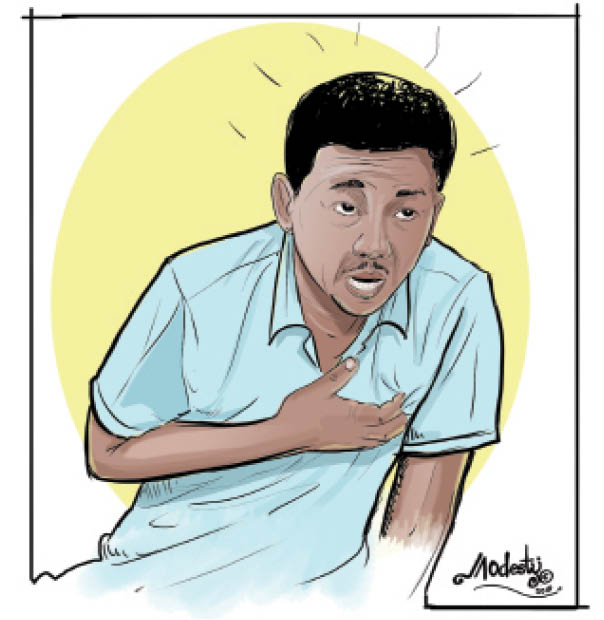
Medical experts have advised Muslims and Christians taking part in the ongoing Ramadan and Lent fasting to seek relevant medical counsel to avoid exposure to dangerous situations that could lead to fatalities.
They also harped on the need to take lots of water and stay hydrated during and after the fasting periods.
The advice comes in the wake of the reported deaths that have trailed the ongoing Ramadan in Abuja and other parts of the country.
No fewer than three persons have been reported dead within five days, some with previous underlying health conditions.
On Tuesday, a 42-year-old housewife, identified as Maman Zainab, reportedly collapsed during the Ramadan tafsir at a mosque in Abuja around 11:23 am.
The deceased was said to have left home hale and hearty but complained of dizziness and severe headache during the programme before she collapsed. She was pronounced dead at the hospital.
Two days later, 52-year-old Salihu Byezhe reportedly suffered the same fate when he slumped during Subhi prayers and died in Kuje shortly after eating Sahur (pre-dawn meal).
A third incident which happened on Saturday, three days before the first episode, involved one Abdulrasheed Usman, who slumped and died while breaking his Ramadan fast at Gwagwalada shortly before Maghrib prayers.
Although there have not been any reported casualties in Ilọrin according to checks by our correspondent, residents have complained about the extreme heat with temperature surging above 42 degrees.
Some civil servants and private workers have stayed away from work over the development, it was learnt.
With fatalities occurring before, during and after the fasting hours, experts have underscored the need for regular medical check-up, especially while nursing one ailment or another while fasting.
In a telephone chat with Daily Trust, Kwara State Commissioner for Health, Dr Amina Ahmed El-Imam, said though death can be inevitable, there is the need for people to do everything necessary to prevent avoidable deaths.
“Anyone who is unwell should refrain from fasting. The current intense heat being experienced nationwide, in addition to the Lent and Ramadan fasts, make for a tough combination on human physiology.
“However, maintaining a good diet, liberal oral fluids intake before and after fasts to prevent dehydration, and regular checkups are very important,” she said.
El-Imam advised people with chronic illnesses who are on medications to use their drugs as and when due, adding that: “In case of any new symptoms of illness or exacerbation of symptoms, people should visit the hospitals and adhere to medications and prescriptions.
“Ask your doctor for advice to determine your fitness or otherwise to exercise during fasting.”
A former chairman of the Nigerian Medical Association (NMA) in the state, Dr Ola Ahmed, said the most important thing is regular health check-ups by patients.
“People should first ascertain that their health conditions are not an impediment to their fasting. In other words, they can be able to fast because Almighty Allah does not burden us with what we cannot be able to withstand in the course of trying to worship Him.
“There is a need to ensure they are medically fit to be able to fast. Some people are diabetic and still using their drugs but have failed to check their sugar level.
“Now, we are experiencing extreme heat which can make people develop heat stroke and when this happens, depending on the time help could come, it may be too late to rescue them,” Dr Ahmed said.
“It is important that we take a lot of water while eating pre-dawn meals and at the time of iftar (breaking the fast).
“During the day, people should also avoid exposing themselves too much to the sun or heat to avoid the risk of exhaustion which may lead to dehydration. This is very important,” he added.
For the Muslims, the medical expert said, “There is the opportunity of Sahur and Iftar unlike the Christians. So, all those things need to be taken into consideration to ensure that you have the capacity to fast.
“There are also a lot of people who have been managing their medical conditions which have now been compounded with the stresses of the economy and weather that can manifest to dangerous situations.
“So, whether they are on medication or not and using their drugs, there is the need to go for a regular medical check up to know if the drug is the right one or need to be continued, reduced or adjusted because of the period. During these fasting periods and with the high temperature, people need to be very careful.”
He said hypertension and similar underlying health conditions do not prevent one from fasting or amount to someone collapsing during the period, except it’s not well managed.
“What usually happens during fasting is that many people on drugs skip medication in the morning and evening out of forgetfulness. Such people would not have the opportunity of using it when they remember during the fast unlike when they are not fasting,” he stated.
Dr Ahmed encouraged the people to explore health insurance to give them access to quality health with little money.
For his part, a public health expert, Dr Saka Sulaiman, said irrespective of whether there is fasting or not, stressing oneself in this type of climatic conditions can lead to situations and fatalities.
“But fasting may increase it due to dehydration and so those observing it should avoid exposing themselves to extreme heat. People should increase their intake of fruits like watermelon and other similar fruits with high water content and drink a lot of water at dawn and during breaking of the fast.
“Some patients are already nursing some ailments and exposure to extreme and harsh conditions will worsen it and make them more susceptible. So, such a person should see the doctors or medical experts to know if they are able to fast or not,” he submitted.