
‘Without Justice, Nigeria Can’t Stand’, Akande Decries Govt’s Approach to Terrorism
Former presidential aide and public affairs analyst, Laolu Akande, has warned that Nigeria cannot achieve nationhood without justice, equality before the law, and consistent enforcement of accountability. Speaking on his weekly segment, My Take, on Inside Sources with Laolu Akande aired on Channels Television on Friday, Akande lamented the growing culture of impunity and double […]
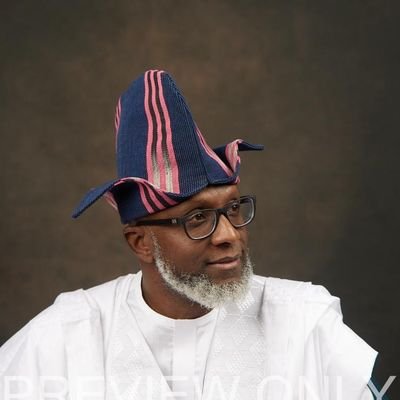
akande
Former presidential aide and public affairs analyst, Laolu Akande, has warned that Nigeria cannot achieve nationhood without justice, equality before the law, and consistent enforcement of accountability. Speaking on his weekly segment, My Take, on Inside Sources with Laolu Akande aired on Channels Television on Friday, Akande lamented the growing culture of impunity and double standards in the nation’s justice and security systems, using the continued detention of IPOB leader, Nnamdi Kanu, as a test case.
According to Akande, “The Nigeria of today is a nation where evil acts, outright violence, are being treated as tolerable products of our differences, particularly religious, ethnic, and regional ones. The seeds of these self-inflicted, self-indicting predicaments were sown long ago.”
He expressed deep concern over how the Nigerian state has treated non-state actors and violent extremists with leniency while selectively applying the law against others. “Non-state actors who engage in extra-judicial terrorist violence are frequently treated with leniency. Sometimes, even without an arrest, let alone prosecution,” he said.
Citing examples, Akande referenced the activities of Sheikh Ahmad Gumi, a prominent cleric who has openly engaged with bandits under the guise of negotiating peace. He noted that Gumi even “warned the Nigerian military against actions that could undermine certain so-called peace deals that he has with the terrorists.”
Akande continued: “To further confirm the absurdity we now tolerate, there was actually a meeting with traditional rulers and community leaders in Faskari Local Government Area of Katsina State with the kingpin Ailero. The Fulani terrorist kingpin reportedly stated openly at that meeting that he increased the intensity of his attacks on various communities and armed forces after DSS operatives arrested his members.”
He highlighted the irony in how Gumi was “recently deported from Saudi Arabia as a security threat and was barred from performing Hajj pilgrimage because of his pro-terrorist rhetoric,” while in Nigeria, he continues to enjoy freedom and influence. “But here at home in Nigeria, it’s a different story,” Akande lamented.
The former presidential aide questioned the effectiveness and commitment of the government’s counterterrorism strategy, asking: “Are we prioritising dialogue over prosecutorial justice? Or, is it a convoluted combination of both?”
Turning to the case of Nnamdi Kanu, Akande described it as a litmus test for Nigeria’s judicial integrity. He stressed that a nation that applies justice selectively cannot foster unity or peace. “Against this backdrop, the Nnamdi Kanu situation appears to be a test of the overall judicial integrity. The absence of justice is destructive to nation-building. It is of fundamental concern that we have a justice system that operates differently for different people,” he said.
Akande concluded that the road to a stable and united Nigeria must begin with fairness and the rule of law. “We cannot build a nation without justice. Justice must be seen to be done to all—regardless of ethnicity, religion, or political affiliation,” he asserted.
He urged the government to demonstrate moral courage and institutional consistency, warning that failure to uphold justice for all will only deepen the country’s divisions and undermine national cohesion.