
World Bank, BOI unveil finance model to tackle unemployment, others
The World Bank and the Bank of Industry (BoI) have outlined a bold new framework for development finance designed to accelerate job creation, unlock private capital, and deepen financial inclusion across the country. Speaking at the second edition of the Bank of Industry Development Lecture Series in Abuja, the World Bank Country Director for Nigeria, […]
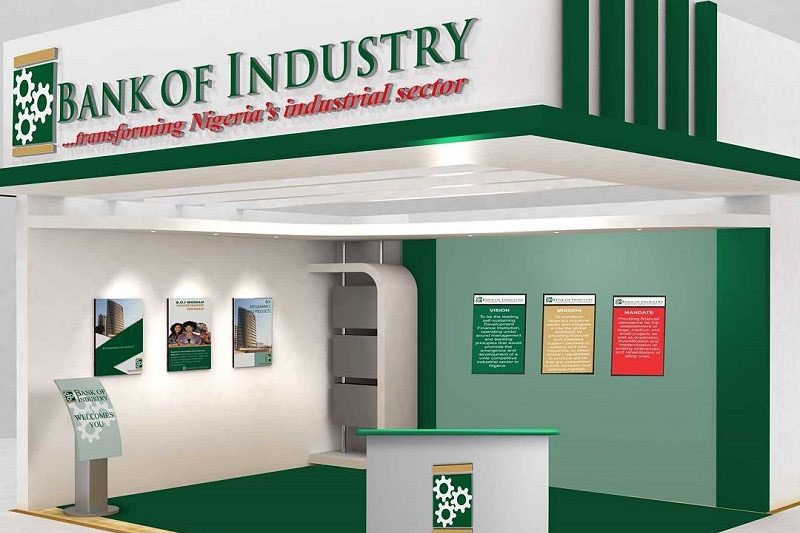
The World Bank and the Bank of Industry (BoI) have outlined a bold new framework for development finance designed to accelerate job creation, unlock private capital, and deepen financial inclusion across the country.
Speaking at the second edition of the Bank of Industry Development Lecture Series in Abuja, the World Bank Country Director for Nigeria, Dr. Mathew Verghis, and Chairman of the BOI Board, Dr. Mansur Muhtar, emphasized the urgency of rethinking Nigeria’s development finance architecture to reflect changing global realities and domestic needs.
The event, themed, “Development Finance Imperatives: Rethinking Nigeria’s Path Forward,” was attended by key stakeholders in the financial sector including the Director-General, African Development Bank, Nigeria Office, Dr Abdul Kamara; the Managing Director of Bank of Agriculture, Mr Ayo Sotinrin; and a former Deputy Governor of the Central Bank of Nigeria, Dr Sarah Alade.
Verghis said the country is at a turning point, with clear signs of macroeconomic stability emerging from the government’s ongoing reform efforts.
“It is a signal that Nigeria’s anti-money laundering structures now meet international benchmarks,” he said. “That single step enhances investor trust and strengthens the foundation for sustainable economic growth.”
However, Verghis cautioned that poverty and unemployment remain persistent challenges, noting that millions of Nigerians are yet to feel the benefits of macroeconomic reforms.
“We are seeing progress in stabilization, but the purchasing power of citizens remains weak because inflation is still high,” he said. “To sustain these reforms, we must focus on policies that drive job creation and increase access to finance.”
According to him, Nigeria must adopt a new model of development finance that mobilizes private capital and leverages digital innovation to fill existing gaps in infrastructure and enterprise funding.
On his part, BOI Chairman Dr. Mansur Muhtar called for deeper collaboration among public institutions, private investors, and development partners to create an environment conducive to inclusive and sustainable growth.
He said the BOI remained committed to its mandate of driving industrialization and supporting businesses through innovative and responsible lending.
“At the Bank of Industry, we believe that inclusive and sustainable investment-led growth is not just a goal, it is a necessity,” Muhtar said. “Our mission is to drive industrial transformation by supporting enterprises, deepening sectoral linkages, and embracing technology to unlock new opportunities.”
Speaking at the closing ceremony of the BOI Annual Public Lecture Series in Abuja, the Managing Director of the bank, Olasupo Olusi said the event reflects the institution’s evolving role as a strategic partner in shaping Nigeria’s development narrative.
The BOI chief noted that the annual public lecture, which began last year with the maiden edition titled “Creating Impact: The Role of MSME Support and Financing in Alleviating Poverty and Food Insecurity in Nigeria,” has become a thought-leadership platform for generating ideas that strengthen Nigeria’s development ecosystem.
“The Bank of Industry is not just a financial institution. We are a partner in shaping Nigeria’s development journey,” the BOI boss said. “This year’s theme is both timely and urgent. The global economy is shifting rapidly—from climate pressures to digital disruption and from evolving trade patterns to growing demands for inclusive growth. Nigeria cannot afford to stand still.”