
World No Tobacco Day: Don’t let new addictions undermine the gains
Saturday May 31, countries around the globe, including Nigeria, marked World No Tobacco Day, a day set aside by the World Health Organisation (WHO) to raise awareness about the health risks of tobacco use and to advocate for stronger policies against tobacco consumption. The day was first observed in 1988, following the adoption of WHO […]
Ghana to Legislate Two New Bills to Fight Cyber Crimes
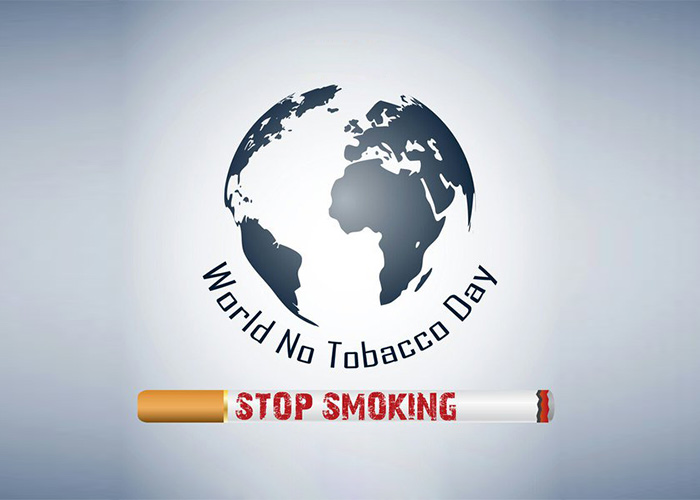
Saturday May 31, countries around the globe, including Nigeria, marked World No Tobacco Day, a day set aside by the World Health Organisation (WHO) to raise awareness about the health risks of tobacco use and to advocate for stronger policies against tobacco consumption.
The day was first observed in 1988, following the adoption of WHO Resolution WHA42.19, which called for an annual day of awareness every May 31. Nigeria, alongside other WHO member states, supported this initiative to draw attention to the global tobacco epidemic and the preventable diseases and deaths it causes.
This year’s World No Tobacco Day, themed “Unmasking the Appeal”, seeks to expose how the tobacco industry continues to repackage its products to attract new users, particularly young people and women. According to WHO, the theme aims to inform the public about the health dangers of tobacco use, the deceptive marketing practices of tobacco companies, and the actions individuals and governments can take to safeguard health and protect future generations.
Tobacco use remains the leading cause of preventable deaths globally, with the Union for International Cancer Control (UICC) reporting that tobacco products are responsible for approximately 2.4 million deaths annually—nearly a quarter of all cancer-related deaths worldwide.
- Bandits kill 3 security operatives, abduct residents in Zamfara
- Taraba building collapse : How teacher’s timely alarm saved WASSCE candidates from collapsed classroom
More specifically, this year’s theme highlights the industry’s use of flavoured and visually appealing products to entice young people. WHO estimates that around 37 million children aged 13 to 15 currently use tobacco globally. In Nigeria, findings by the Nigeria Centre for Disease Control (NCDC) attribute adolescent tobacco use to peer pressure, ease of access, misinformation, exposure to second-hand smoke, and pervasive tobacco advertising.
A concerning development is the growing popularity of alternative products such as e-cigarettes, nicotine pouches, and heated tobacco products, which are now heavily marketed on social media. WHO reports that content promoting these products has been viewed more than 3.4 billion times online, particularly by young people.
In Nigeria, while the years of sustained campaigns have reduced the public appeal of traditional cigarette smoking, tobacco companies have adjusted their strategies. A more insidious threat has emerged: the rising popularity of shisha.
Also known as hookah or water pipe, shisha involves inhaling flavoured tobacco—often mixed with molasses, honey or fruit—heated by charcoal and drawn through water.
Contrary to common belief, the water does not filter out the toxic substances. A single one-hour shisha session can expose users to the equivalent smoke volume of over 100 cigarettes. Across major Nigerian cities, shisha lounges and stands have become commonplace, drawing crowds of young people. This represents a strategic shift by the tobacco industry, leveraging flavoured tobacco to attract new users—often under the illusion that shisha is less harmful than cigarettes.
Flavours, in fact, are a leading reason why young people initiate tobacco and nicotine use, according to WHO. These are found in various forms, with shisha being a prominent example. Regulatory authorities must act swiftly to address this trend.
The Global State of Tobacco Harm Reduction reported that in 2021, Nigeria recorded 15,926 smoking-related deaths—accounting for 0.87 per cent of all deaths that year. Men accounted for 11,794 of these deaths and women 4,132. These sobering statistics underscore the continuing public health burden posed by tobacco use.
An even more alarming threat than tobacco use is the growing and unchecked dependence on hard drugs among Nigeria’s younger population.
To protect public health, we urge the federal government, relevant agencies, and community stakeholders to adopt a comprehensive approach to tobacco control. Specifically, we at Daily Trust recommend an outright ban or stricter regulations on flavoured tobacco products and attractive packaging and increased excise taxes to make tobacco products less affordable, particularly for young people.
Importantly, these policies must be extended to shisha and all emerging tobacco alternatives to ensure they are not exempt from public health regulation.
Nigeria has made commendable progress in tobacco control. The National Tobacco Control Act of 2015, aligned with the WHO Framework Convention on Tobacco Control, banned smoking in public places. It is now rare to encounter cigarette smoke in government buildings, airports or hotels. This progress was achieved through persistent advocacy and policy enforcement.
However, the battle is far from over. The gains made must not be reversed by new and poorly regulated alternatives. The authorities must rise to this challenge by expanding tobacco control policies to cover all forms of tobacco and nicotine consumption, particularly those targeting our youth.