
Your Essential Guide to Getting Started in Forex Trading
Forex, which is short-term foreign exchange trading, is a global market where currencies are bought and sold. It is one of the largest and most liquid financial markets in the world, with trillions of dollars traded every day. For beginners, Forex can be scary but with the right knowledge and attitude, it will become a […]
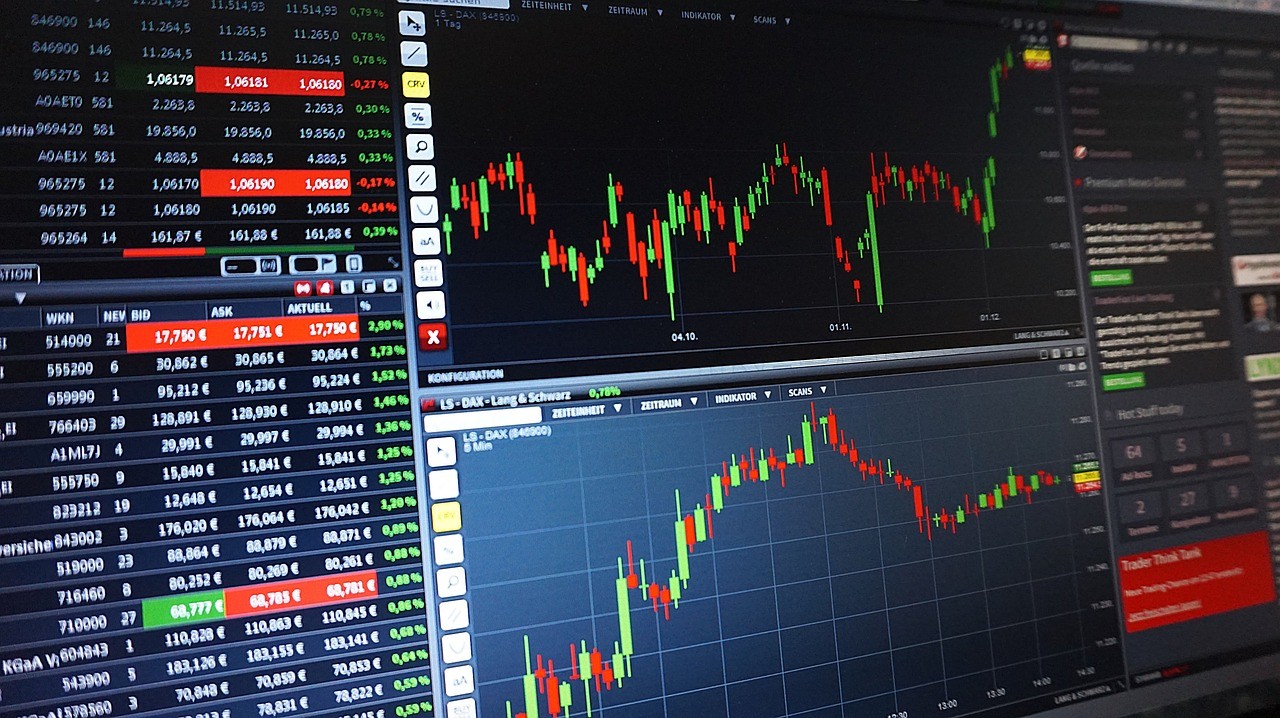
Forex, which is short-term foreign exchange trading, is a global market where currencies are bought and sold. It is one of the largest and most liquid financial markets in the world, with trillions of dollars traded every day. For beginners, Forex can be scary but with the right knowledge and attitude, it will become a well-paid hobby. This guide contains all the information you need to start Forex trading.
Understanding Forex Basics
Forex trading is the process of switching one currency for another. The aim is to make money from the fluctuations in currency exchange rates. Currencies are traded in pairs, for example, EUR/USD (Euro/US Dollar) or GBP/JPY (British Pound/Japanese Yen). The first currency in the pair is the base one and the second is called a quote. The exchange rate is the amount of quote currency you need to buy one unit of base currency.
The Forex Market Structure
The Forex market operates 24 hours a day, five days a week, across major financial centers in different time zones: London, then New York, Tokyo and Sydney. This perpetual operation, which can be seen on any forex trading app, is because of the different trading sessions that are overlapping and also because currencies are in demand all the time for various economic activities.
Major participants in the Forex Market
- Banks and Financial Institutions: These are the companies that do a lot of currency trading for themselves and also their clients.
- Central Banks: They are in charge of the money supply and interest rates and can also intervene in the Forex market to either stabilize or increase the value of their currencies.
- Corporations: Businesses participate in Forex to boost international trade and investment.
- Retail Traders: The individual investors who trade in the currency markets to make money.
Forex Trading for Beginners
Step 1: Educate Yourself
Before starting trading, you need to learn the fundamentals of Forex. There are lots of online resources, courses, webinars and books that you can use to get a good base. Key topics to study include:
- Currency Pairs: Discover the main, secondary and unusual couples and how they act.
- Market Analysis: Comprehend the technical analysis (charts, patterns, indicators) and fundamental analysis (economic indicators, news events).
- Trading Strategies: Introduce yourself to the various trading styles such as day trading, swing trading and position trading.
Step 2: Pick a Reliable Broker
A broker is a middleman who does the trading for you. When choosing a broker, consider the following factors:
- Regulation: Make sure the broker is under the supervision of a respected agency like FCA or CFTC.
- Trading Platform: The system should be easy to use and have all the necessary tools for analysis and trading.
- Fees and Spreads: Analyze the charges that come with trading, such as spreads, commissions and withdrawal fees.
- Customer Support: Good customer service is the key factor in solving any problems that may come up.
Step 3: Create a Demo Account
The majority of the brokers provide demo accounts that you can use to practice trading with virtual money. This is a safe way to get acquainted with the trading platform and at the same time you can test your trading strategies. Invest enough time in a demo account before transitioning to a live account.
Step 4: Top Up Your Account
The moment you are sure that you can do it, then open a live account and deposit the funds. Begin with a small sum of money that you can afford to lose. With time you will get more confident and you will be able to raise your investment.
Developing a Trading Plan
A trading plan is the key to success in Forex trading. It keeps you on track and prevents the occurrence of emotional decision-making. Your trading plan should include:
- Goals: Elaborate on your financial targets and the period within which you plan to reach them.
- Risk Management: Set the amount of your capital that you are ready to risk on each trade. A typical regulation is to limit the risk of one trade to 1-2% of your account balance.
- Trading Strategy: State the conditions of the trade entry and exit such as technical indicators, chart patterns and fundamental analysis.
- Record Keeping: Keep a trading log where you record your trades, performance and mood. This will enable you to detect the positive and negative sides of your trading strategy.
Managing Risk
Risk management is the key to Forex trading. Here are some key principles:
- Use Stop-Loss Orders: A stop-loss order is a way of automatically closing a trade at the pre-determined price to reduce losses.
- Position Sizing: Fine-tune the size of your deals according to your risk appetite and the volatility of the currency pair.
- Diversify: Do not invest all your money in one trade or currency pair.
Forex trading is not a piece of cake, you have to know the market well, plan carefully and execute your decisions in a disciplined way. You can establish a solid base for success by learning, selecting the right broker, experimenting with a demo account and creating a strong trading plan. Bear in mind that, patience and the process of learning are essential to becoming a proficient Forex trader. Happy trading!