
Enugu gov rolls out food security interventions
Enugu State Governor, Peter Mbah, has assured that his administration will implement long term interventions that would guarantee sustainable food security. He listed the measures as huge investments in agriculture, empowering small-scale farmers through training and provision of agro-inputs, agricultural grants as well as investing in systems that mitigate climate change effects. He spoke in […]
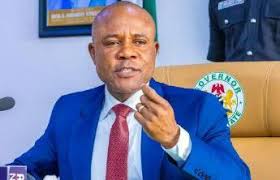
peter mbah
Enugu State Governor, Peter Mbah, has assured that his administration will implement long term interventions that would guarantee sustainable food security.
He listed the measures as huge investments in agriculture, empowering small-scale farmers through training and provision of agro-inputs, agricultural grants as well as investing in systems that mitigate climate change effects.
He spoke in Enugu yesterday when he flagged off the state’s Sustainable Food Distribution Programme; an intervention aimed at providing locally produced food items to vulnerable households for 12 consecutive months.
Mbah, represented by the Secretary to the State Government, Chidiebere Onyia, said the programme would start with 500 households and would be expanded to fight hunger and improve nutrition among the poor in the state.
- Kano gov gives land, N5m to families of 22 deceased athletes
- Man charged with possession of Indian hemp
The governor, according to a statement by his media aide, Uche Anichukwu, noted that the United Nations considered food insecurity one of the most stubborn contemporary challenges which affected over 735 million people worldwide in 2020.
He said, “But as a responsible and responsive government, we believe that no citizen of the state should go to bed hungry. This is not just a political obligation; it is a moral one. So, the Sustainable Food Distribution Programme is more than just a palliative measure. It is a structured, strategic, and sustainable response to food insecurity.’’
In her address, Oyinye Akubuilo-Okpalanma, SDG Focal Person and Senior Special Assistant to the Governor on SDGs, said the food distribution programme was “deeply symbolic of the collective commitment to ending hunger, promoting inclusive wellbeing, and improving nutrition among our vulnerable.”