
FG targets 44m Nigerians for health insurance enrolment
The Minister of Health and Social Welfare, Prof Muhammad Ali Pate, said the federal government had set target to enroll at least 44 million Nigerians under the national health insurance scheme by 2030. Pate, who disclosed this in Abuja during a health financing dialogue organised by the National Health Insurance Authority (NHIA) and other partners, […]
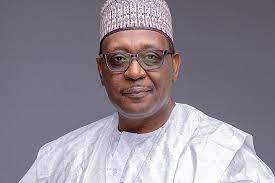
Muhammad Ali Pate
The Minister of Health and Social Welfare, Prof Muhammad Ali Pate, said the federal government had set target to enroll at least 44 million Nigerians under the national health insurance scheme by 2030.
Pate, who disclosed this in Abuja during a health financing dialogue organised by the National Health Insurance Authority (NHIA) and other partners, stressed that the plan would change the dynamics of Nigeria’s health care market and protect households from high burdens of medical bills.
Pate said the government had already taken major steps to expand coverage for vulnerable groups, including free emergency obstetric services, fistula care and subsidised dialysis.
He said funds had been captured in the 2025 budget to cover expensive conditions, such as cancers, kidney diseases and spinal surgeries.
“Every naira we invest in health is not a cost, it is an investment in economic growth, national security and the dignity of our people,” the minister said.
He revealed that access to primary health care had risen sharply under the President Bola Tinubu administration, from fewer than 10 million visits in 2023 to 46 million visits in the second quarter of 2025 following reforms in the Basic Health Care Provision Fund (BHCPF) and the National Health Insurance Authority.
According to him, Nigeria’s improved fiscal outlook boosted by reforms that lifted revenues-to-GDP above 11 per cent for the first time in years was creating more fiscal space for health spending.
The minister, however, warned that the federal government alone could not carry the burden of health financing. He urged states and local governments to prioritise health in their budgets, release counterpart funds and establish financing scorecards to track performance.
Pate also called for stronger private sector involvement and support from Nigerians in the diaspora, who he said could contribute more sustainably through a new diaspora health hub, which allows them to pay health insurance premiums for relatives at home.
In his remarks, the director-general of the National Health Insurance Authority, Dr Kelechi Ohiri, reaffirmed that the agency’s mission was to expand financial protection for all Nigerians and shift reliance away from out-of-pocket payments.
“At the NHIA, our mission aligns with the broader health sector reform agenda of the minister of health and the vision of Mr President. We are committed to expanding financial protection for all Nigerians by reducing dependence on out-of-pocket payments. Equity remains central to this effort, ensuring that the poor and vulnerable are not left behind,” Ohiri said.
He added that the policy dialogue was deliberately designed to place people at the centre of Nigeria’s health financing conversations, while also promoting accountability, transparency, private sector participation and stronger partnerships.
“This is a call to action and to collaborate. Achieving sustainable and equitable health financing will require the collective effort of government, the civil society, development partners, the private sector and the academia,” he said.